Robinhood's Fatehpuria on Building Financial Platforms That Match Consumer Expectations
Trading platforms are becoming full-service financial hubs as consumers demand the same intuitive experiences they get from consumer tech. Robinhood's VP of Product will discuss the shift at TechCrunch Disrupt 2026.
The boundary between a stock trading app and a comprehensive financial management tool is blurring. Investing, banking, credit, crypto, retirement, prediction markets, and AI-powered trading capabilities are merging into single platforms. Simultaneously, users want financial services to feel as smooth and responsive as the consumer technology they use daily, while still maintaining the security and reliability their money demands.
Robinhood exemplifies this transformation. At TechCrunch Disrupt 2026, Abhishek Fatehpuria, Vice President of Product Management for Brokerage at Robinhood, will take the Smart Money Stage to discuss "Winning the Modern Financial Consumer." His talk will examine how technology shifts and evolving user expectations are remaking the financial services industry and the challenges of building products that scale while maintaining customer trust.
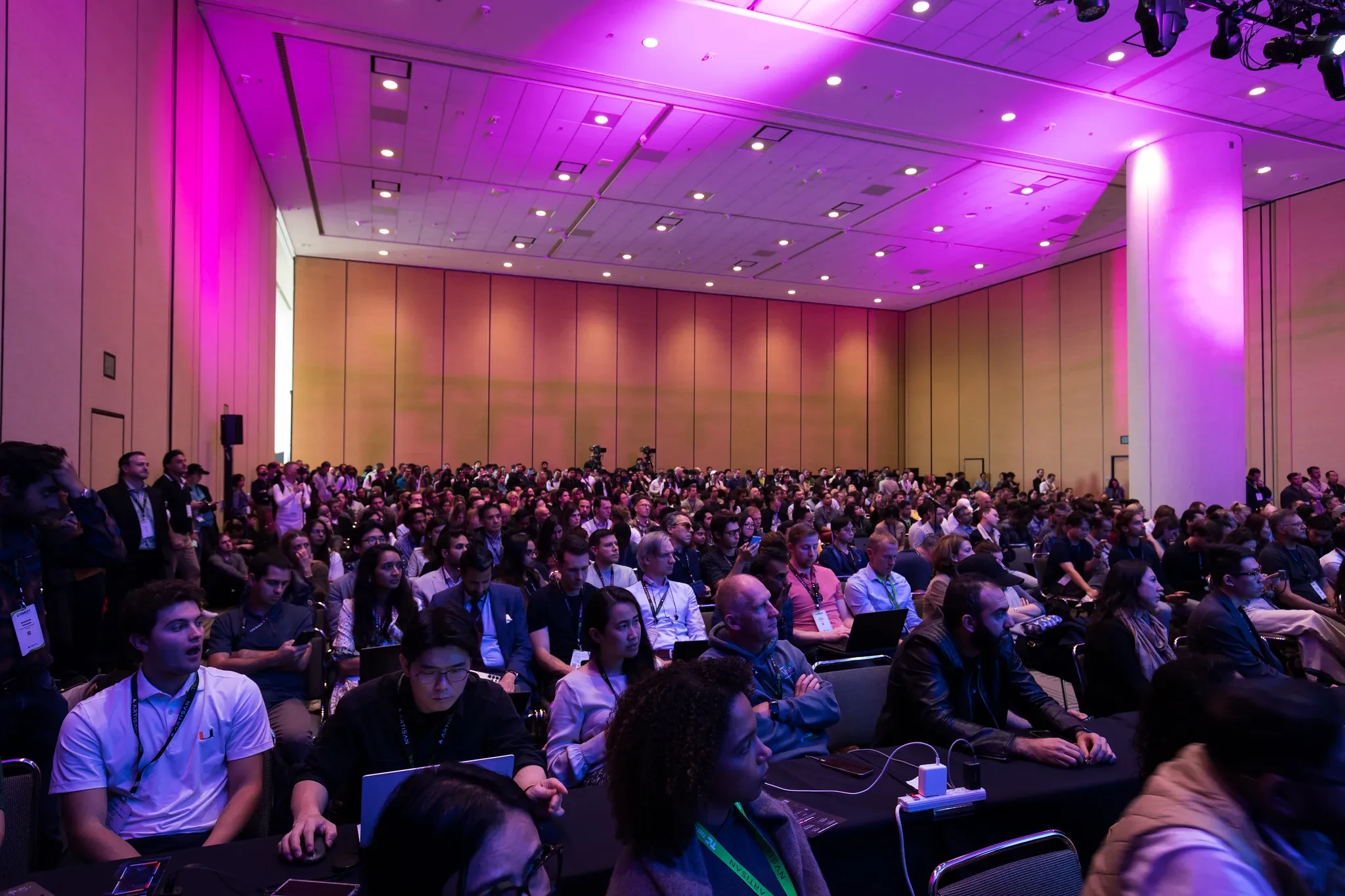
The event runs October 13–15 at Moscone West in San Francisco, drawing more than 10,000 founders, investors, and technology leaders. Early registration discounts of up to $200 are available until September 25 at 11:59 p.m. PT, with group rates of up to 30% off for four or more attendees.

From trading app to financial platform
Robinhood built its reputation on eliminating trading commissions, but its product portfolio has expanded dramatically. The company now offers investing, banking, credit, crypto, retirement services, and prediction markets, with recent moves into AI tools, private markets, and global operations.
The numbers reflect substantial growth. As of August 2026, Robinhood reported 28.6 million funded customers and $384 billion in total platform assets.
Beyond the core trading business, customers are adopting these newer offerings at scale. In second-quarter results, the company disclosed that Robinhood Banking had accumulated more than $3 billion in deposits, its credit card product had generated over $100 million in annualized revenue, and prediction markets had processed more than 3.5 billion contracts.
The deeper shift involves positioning Robinhood as a central hub for financial decision-making rather than a single-purpose tool. This approach demands a fundamentally different product strategy than the original trading-focused business.
The next customer may expect something completely different

Consumer expectations tend to shift in waves rather than increments. Once users experience instant access, tailored suggestions, and frictionless digital interactions in one domain, they begin demanding the same elsewhere.
Financial services are following this pattern. Robinhood is testing AI-driven investing capabilities, including products called Cortex and Agentic Trading. During the second quarter, nearly 100,000 customers had activated Agentic Trading accounts, which let them execute trades in equities, options, and cryptocurrency through AI agents.
Prediction markets have emerged as one of the company's fastest-expanding segments. Robinhood reported that 4.7 billion event contracts traded in August alone, representing a 15-fold increase year-over-year.
These trends raise critical questions for the broader industry: what do these usage patterns reveal about future consumers, and which expectations will become standard across competing platforms?
What different audiences will take from Fatehpuria's session
For founders, the discussion offers insights into how a product team scales its offerings while preserving the user experience that established the company initially.
Investors gain perspective on how a company pursues increased customer lifetime value by transitioning from standalone products to an integrated financial ecosystem.
Product and business leaders will encounter lessons applicable beyond fintech alone: managing trade-offs between options, building trust, understanding user behavior, and introducing new features without overwhelming users.
Those earlier in their careers studying the intersection of technology and finance will see how an industry-leading platform approaches designing for future generations of users.
The financial consumer landscape is shifting, and the products vying for their attention must adapt accordingly. Fatehpuria's appearance at TechCrunch Disrupt 2026 will detail what Robinhood is discovering through this evolution. Register before September 25 at 11:59 p.m. PT to secure savings of up to $200, with group discounts of up to 30% available for parties of four or more.
Read more

California Tightens Rules on Robotaxis as Incidents Mount
A new state law sets safety standards and accountability measures for autonomous vehicle operators, requiring local support staff and penalties for blocking emergency responders.
Wawa Elevates Long-Tenured Executive to CIO Role
The convenience store chain has named Bill O'Donnell, a 25-year company veteran, as its new chief information technology officer, putting him in charge of tech strategy, cybersecurity and digital operations.

ServiceNow Debuts Flow, a Conversational Service Desk Built for Speed Over Complexity
ServiceNow is rolling out Flow, a natural language service desk tool that automates employee requests through Slack and Microsoft Teams without requiring a full IT service management overhaul.