Amazon Ads Gains ChatGPT Access, Continuing Aggressive Push Into Premium Inventory
Amazon has secured the ability for its advertisers to purchase placements within ChatGPT, marking the latest addition to a portfolio of high-value ad supply the company has assembled over the past 18 months.

Amazon's advertising division has negotiated access to ChatGPT for its advertiser base, following a similar move with Netflix last year. Beginning September 10, brands using Amazon Ads and the Amazon DSP can now purchase ad placements within the ChatGPT application. The arrangement is currently operating as a pilot program restricted to certain U.S. advertisers, with Delta Vacations among the initial participants. Amazon's pattern of securing premium inventory has accelerated considerably, with the company adding Netflix, Roku, Spotify, SiriusXM, Disney, Hulu and ESPN to its supply portfolio over roughly the past year and a half.
Chris Conetta, director of omnichannel supply at Amazon DSP, stated: "Conversational ads represent the fastest growing engagement opportunity for brands to reach new and existing audiences. The AI-driven ad experience is not just a vision of what's to come, but an opportunity for advertisers to meet relevant users where they spend time today. With access to ChatGPT Ads, advertisers can now extend their campaigns further into where their customers are actively spending time in conversational chat platforms."
The strategic rationale underlying Amazon's expansion becomes evident when examining its competitive positioning. Amazon Ads operates with substantially lower fees than competitors, with its DSP frequently approaching zero on programmatic guaranteed transactions compared to The Trade Desk's historical 15 to 20% commission or comparable Google rates. Combined with proprietary first-party shopping and browsing data unavailable through competing platforms, Amazon reinforces a core argument articulated by Kelly MacLean, the company's vice president of ads, earlier this year: purchasing premium inventory through Amazon's platform delivers superior cost efficiency and targeting precision relative to alternative channels.
Amazon's advertising business has demonstrated measurable growth, driven partly by expansion of digital advertising spending generally, though some gains have come at The Trade Desk's expense. Travel-focused advertisers represent a particularly promising segment for testing this model, given how consumers leverage the application for high-intent, comprehensive purchase-funnel conversations.
Katrin Koenig, president of Delta Vacations, commented: "Travel planning is becoming increasingly personalized, and travelers expect experiences that feel relevant. Through our collaboration with Amazon Ads and ChatGPT Ads, we can leverage deep consumer insights to inform how and when Delta Vacations appear within ChatGPT Ads experiences to create new opportunities for travelers to engage and discover vacation possibilities. We're proud to be among the first brands testing this new approach and helping define what the future of AI-powered marketing can look like."
The timing of this announcement carries particular significance given intensifying regulatory scrutiny of Amazon's advertising operations. The Federal Trade Commission has filed suit alleging that Amazon misled advertisers regarding pricing, yet this legal challenge has generated minimal visible resistance from the advertiser community. This pattern reflects a broader dynamic: platforms delivering strong performance metrics have historically demonstrated considerable latitude in their advertiser relationships.
OpenAI has been transparent about its intention to construct an advertising business through strategic partnerships. The company has already integrated Criteo and StackAdapt into its ecosystem while establishing agreements with major holding companies. Amazon would represent the most prominent partner to date if the ChatGPT pilot transitions into a sustained arrangement. Such an outcome would advance OpenAI toward publicly reported objectives: achieving $100 billion in annual ad revenue by 2030, a target demanding sustained compound annual growth exceeding 200 percent.
However, expanded partnership arrangements will not resolve fundamental challenges confronting OpenAI's nascent advertising operation. Despite notable progress since the company initiated ad testing in February, significant obstacles remain. Measurement capabilities, technological infrastructure limitations and constrained ad format options represent primary concerns. While the coming period could constitute an early evaluation of these constraints' practical impact, industry observers offer divergent assessments.
Nate Elliott, principal analyst for AI at eMarketer, observed: "It'd be overly generous to call Q4 a stress test for OpenAI's ad business. They're still trying to build out even many of the basics of a functional ad sales operation, including their team, technology, vendor partnerships, ad formats, and pricing. The fact that it's Q4 might turn out to be the least influential part of how their ad business develops between now and the end of the year."
Read more

California Tightens Rules on Robotaxis as Incidents Mount
A new state law sets safety standards and accountability measures for autonomous vehicle operators, requiring local support staff and penalties for blocking emergency responders.
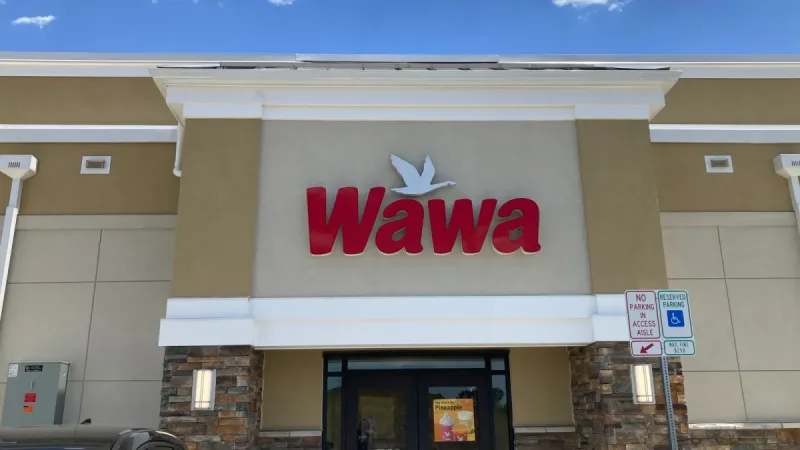
Wawa Elevates Long-Tenured Executive to CIO Role
The convenience store chain has named Bill O'Donnell, a 25-year company veteran, as its new chief information technology officer, putting him in charge of tech strategy, cybersecurity and digital operations.

ServiceNow Debuts Flow, a Conversational Service Desk Built for Speed Over Complexity
ServiceNow is rolling out Flow, a natural language service desk tool that automates employee requests through Slack and Microsoft Teams without requiring a full IT service management overhaul.