Khosla Ventures backs Even Healthcare's $50M push to reshape India's hospital model
The Indian healthcare startup has tripled its valuation to $300 million as it moves from partnering with hospitals to building and operating its own facilities, betting on patient outcomes over procedure volume.
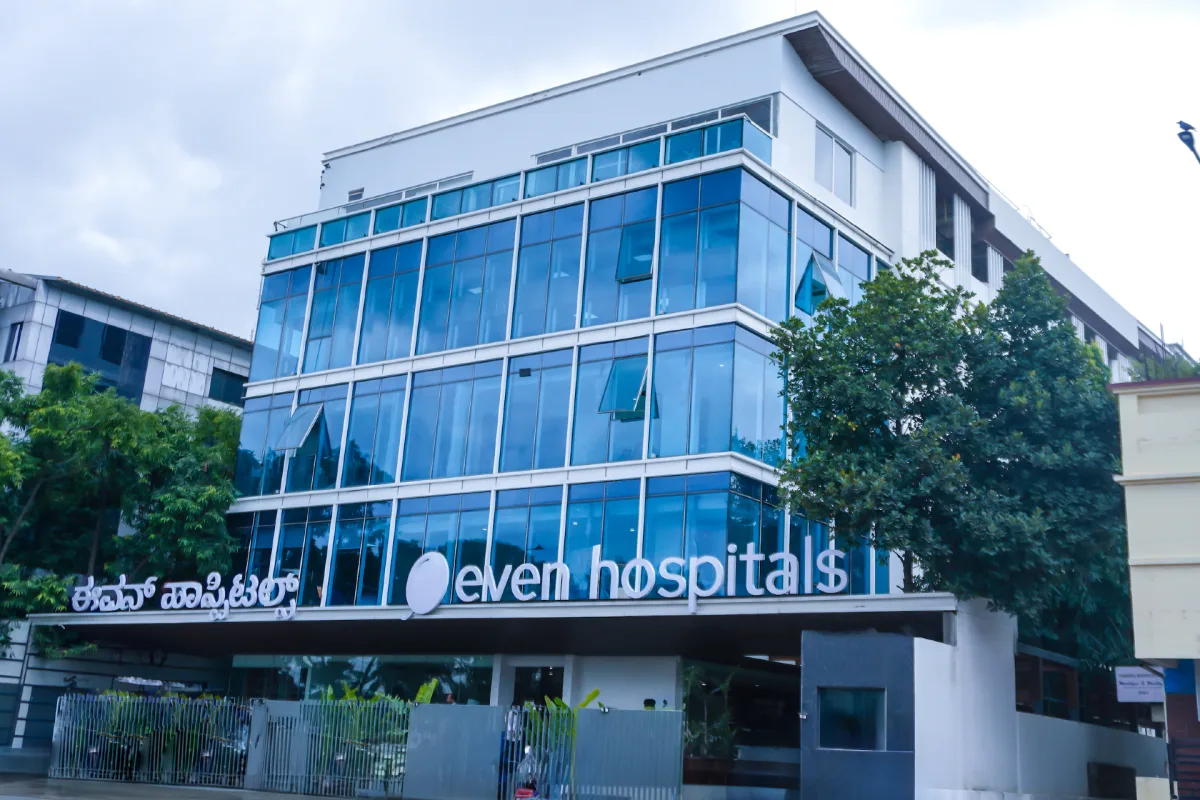
Even Healthcare secured $50 million in Series B funding led by Khosla Ventures, with participation from Alpha Wave, as the Indian startup works to transform how hospitals and physicians operate in India's healthcare system. The all-equity round valued Even at $300 million, a threefold increase from its valuation 18 months prior. Combined with earlier rounds, Even has now raised more than $120 million in total capital.
The startup's core challenge targets a structural problem in Indian healthcare: hospitals generate higher revenues when patients receive additional tests, procedures, or extended stays—regardless of medical necessity. Even aims to disrupt this dynamic by prioritizing actual patient health outcomes over the volume of treatments delivered, thereby reducing unnecessary medical expenses.
Khosla Ventures has backed Even since its seed funding in 2021 and continues to increase its commitment as the company transitions from working with partner hospitals to constructing and managing its own facilities. This shift gives Even direct authority over clinical decisions and cost management. Vinod Khosla, the venture firm's founder, stated that Even's strategy transcends fixing isolated inefficiencies within India's fragmented healthcare infrastructure by integrating financing, technology, and care delivery into a unified system. "The clinical and economic results so far give us conviction that this can become an important new model for healthcare in India and beyond," Khosla said.
Co-founder Mayank Banerjee explained that Even initially contracted with existing hospitals to serve its members but grew concerned after discovering patients were undergoing unnecessary diagnostic tests and receiving recommendations for surgeries that Even deemed unjustified. "We think patients are getting not only a bad experience, but insurers are getting a bad economic deal. And as a result, we decided to fix it by building our own hospitals," Banerjee said. Even has opened two hospitals in Bengaluru, each achieving operational profitability—excluding depreciation—within twelve months of launch. The startup intends to launch five additional hospitals in the same city within the next half year, using proceeds from the latest funding round.
Even operates under a 20-year lease arrangement for hospital facilities and invests in infrastructure improvements and medical equipment. The company's compensation structure differs markedly from conventional hospitals: physicians receive fixed salaries rather than payment tied to procedure volume, though they can earn performance bonuses based on patient-reported clinical outcomes. Hospital management operates under the same principle, receiving salaries and company-wide incentive payments rather than revenue-based compensation. Marketing teams focus on patient acquisition rather than revenue generation. All employees, including doctors and hospital staff, receive equity stakes in Even, aligning individual interests with the company's long-term success rather than short-term billing metrics.
Even generates revenue primarily through direct patient payments for treatment. The startup also earns income through insurer partnerships and is developing a compensation model with insurers that rewards Even for preventing hospitalizations rather than simply delivering more services.
Even measures patient recovery using validated clinical scoring systems—for example, the Oxford Knee Score for knee replacement patients to assess pain and mobility—and publishes these results on its website alongside comparative data from other healthcare systems. The company reports an unplanned readmission rate below 1%, compared with the industry standard of 8% to 15%. Even also claims patients spend 40% less time hospitalized and that its model has generated more than ₹500 million (approximately $5.27 million) in savings for insurer partners.
Jai Sajnani, a partner at Khosla Ventures, highlighted Even's hospital performance as a decisive factor in leading the funding round. "We look forward to helping the Even team put quality care within reach of every family in Bengaluru and across India," Sajnani said.
Despite the funding success, Even remains unprofitable. The startup reported a net loss of ₹902 million (approximately $9.50 million) in fiscal 2025, a 25% increase year-over-year, against revenue of ₹272 million (approximately $2.86 million), according to regulatory filings.
In August, Even conducted a workforce reduction affecting roughly 350 employees, according to Indian startup publication Entrackr. Banerjee acknowledged the restructuring as a difficult but necessary step. Affected workers received severance packages, extended health insurance coverage, and accelerated vesting of equity holdings.
Even currently maintains a workforce of approximately 650 people, including around 300 full-time physicians. The startup serves about 250,000 members and has facilitated more than 750,000 patient interactions—encompassing consultations, diagnostic procedures, and surgeries—since launching in 2021, according to Banerjee.
Banerjee noted that Even could reach profitability within months if it halted expansion spending, but the company is prioritizing growth instead. He declined to provide a timeline for achieving profitability. "Right now, we're investing in growth and serving more patients," Banerjee said.
Read more

Flapping Airplanes Lands $1B Series A at $6B Valuation, Betting on Data-Efficient AI
The year-old AI research lab has raised $1 billion in new funding to develop models that require far less training data than today's leading systems, with investors valuing the startup at $6 billion despite the absence of any commercial product.
Legora closes $550M Series E as legal AI competition heats up
The legal automation platform reached an $8.8 billion valuation while doubling its annual recurring revenue to over $200 million, matching a rival's fundraising haul.
From Vague Pitch to Industrial AI Leader: How Nexxa's Philipp Wehn Found His Focus
Nexxa founder Philipp Wehn credits a shift in mindset—from playing not to lose to playing to win—with transforming his startup's pitch and attracting a16z's speedrun program.