Firefly lands $20M to bring AI-powered coordination to physical safety systems
The startup is building unified safety platforms that connect cameras, sensors and communications to help organizations detect and respond to emergencies faster.
Artificial intelligence has transformed digital systems, and now Firefly Technology Inc. is applying similar principles to physical security. The company announced a $20 million Series A funding round aimed at making workplaces and public venues safer through intelligent, connected safety infrastructure.
Definition Capital led the round, having previously backed Ramp Business Corp. and Cognition Inc., maker of the AI coding assistant Devin. BoxGroup participated as well, marking its third investment in Firefly, alongside Susa Ventures, which led the company's seed round earlier this year.
Connecting disconnected systems
Firefly's core insight addresses a fundamental problem in physical security: cameras, radios and sensors operate independently. While each device serves a purpose—cameras capture footage, radios enable communication among security staff, sensors trigger alarms—they function in isolation. This fragmentation means humans must spend critical time piecing together information before mounting an effective response.
Co-founder and Chief Executive James Batt Buckley sees AI as the bridge between these systems. He envisions the physical world becoming as intelligent, connected and programmable as the digital realm. His approach centers on building a unified system that integrates security cameras, sensors and communications, allowing AI to instantly recognize incidents, supply context and coordinate responses.
The Ember platform and specialized hardware
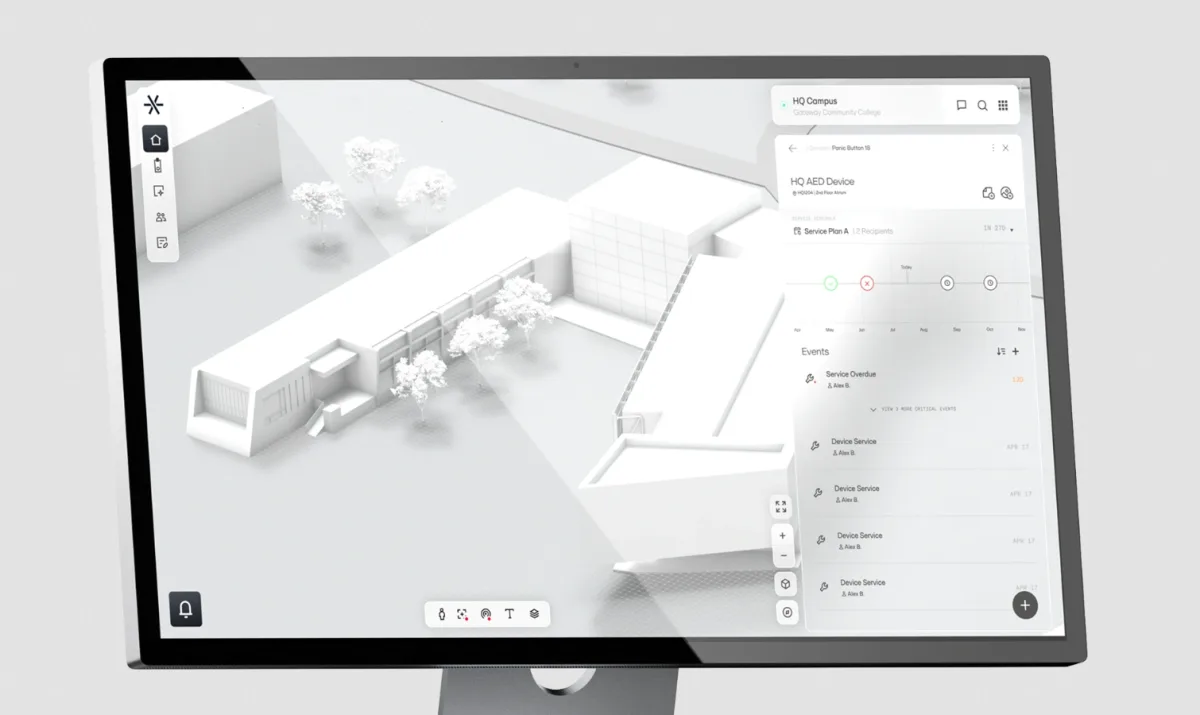
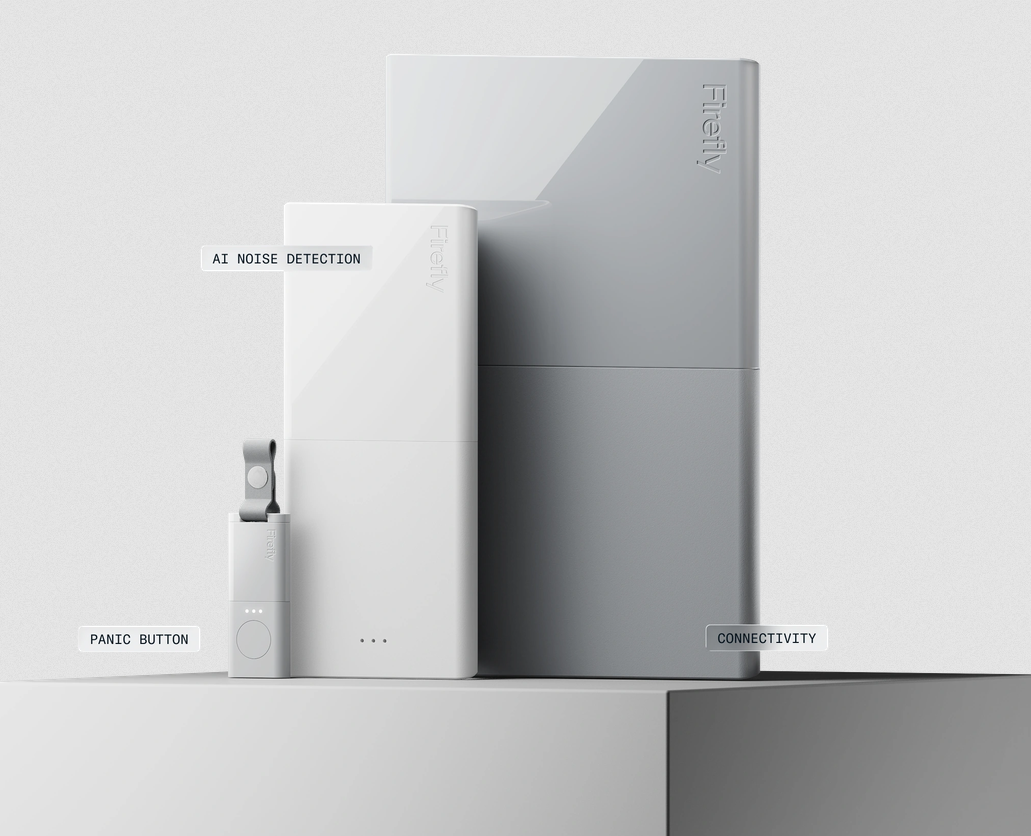
Firefly has developed the Ember Safety Management platform, which pairs purpose-built hardware with emergency response software. The system integrates with existing infrastructure like cameras and radios, extracting data to create a comprehensive situational picture. The startup has also engineered specialized devices including wearable panic buttons, AI beacons for panic button triangulation, gunshot detection capabilities and a network gateway to maintain constant connectivity.
The more important the job, the more complicated the tools seem to become. But we now have the technology to build something fundamentally different. We're starting with safety because it's a problem we know deeply, but what we're building has the potential to transform how people interact with the physical world.
James Batt Buckley, Firefly co-founder and CEO
Analyst perspective on AI in physical spaces
Constellation Research analyst Holger Mueller views companies like Firefly as evidence that AI's impact extends far beyond digital applications. He points to physical safety improvements in schools, hospitals and large venues as an immediate frontier.
Mueller highlights AI's inherent advantages in monitoring physical environments. Unlike human security personnel, AI systems operate continuously without fatigue or distraction, delivering faster and more dependable threat detection. "It will provide more timely and reliable alerts to any malfeasance," Mueller said. He acknowledges that careful validation remains necessary, but expressed confidence in the technology's potential. "As with any AI innovation, a degree of cautiousness is still needed to make sure Firefly's systems work as intended, but any teething problems can probably be ironed out. It's good to see the innovation helping to keep schools and the kids inside them safe."
Early deployment and expansion plans
Front Range Community College, Colorado's largest community college, has already deployed Firefly's platform across its three campuses. The system provides coordinated intelligence that enables safety teams to comprehend emergencies and respond rapidly. Firefly intends to expand deployments into educational institutions, healthcare facilities, corporate campuses and comparable venues.
Firefly is building the central nervous system for physical safety, bringing together specialized hardware, existing data and coordinated action into a single platform.
Teddy Citrin, Definition Capital
Read more

Legora closes $550M Series E as legal AI competition heats up
The legal automation platform reached an $8.8 billion valuation while doubling its annual recurring revenue to over $200 million, matching a rival's fundraising haul.

From Vague Pitch to Industrial AI Leader: How Nexxa's Philipp Wehn Found His Focus
Nexxa founder Philipp Wehn credits a shift in mindset—from playing not to lose to playing to win—with transforming his startup's pitch and attracting a16z's speedrun program.

Blacksmith reaches $1B valuation with $66M Series C from Sequoia
The developer platform for building and testing software, including AI-generated code, has achieved unicorn status just two months after its previous funding round.