Memory costs to surge through 2030 as enterprises race to build AI infrastructure
Global IT spending will reach $7.35 trillion by 2027 as organizations invest heavily in AI systems, but the infrastructure buildout is triggering a supply crunch that will drive memory prices higher for years.
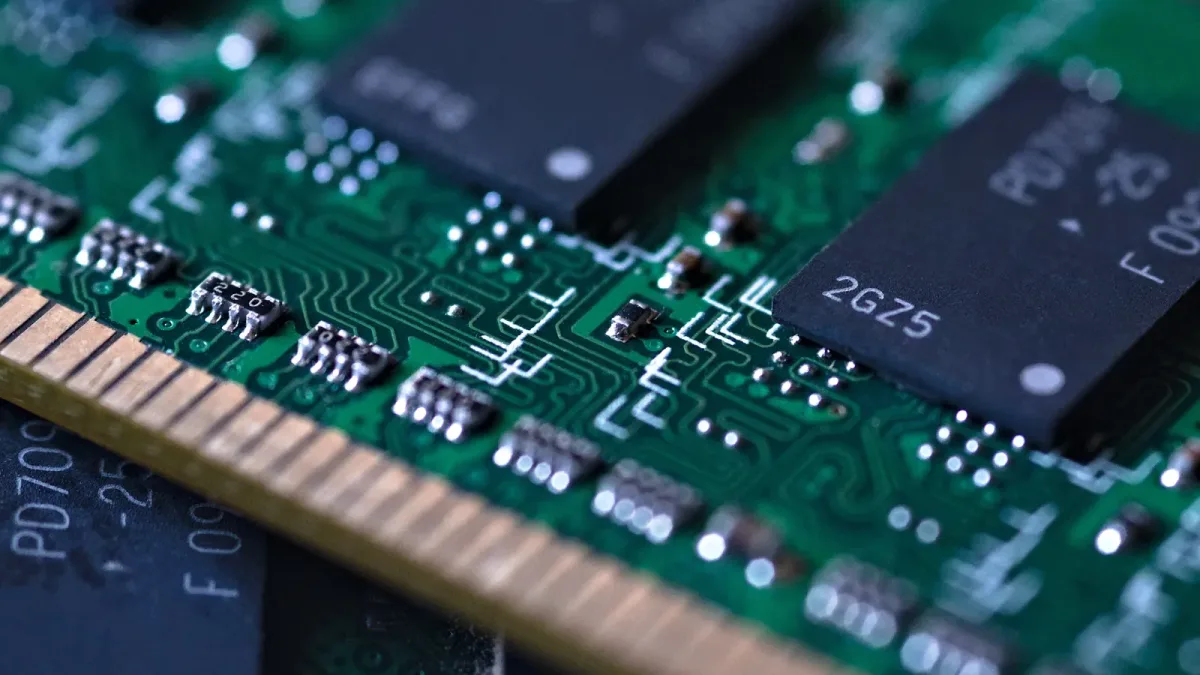
Worldwide information technology expenditure is projected to climb 15 percent to $7.35 trillion in 2027, fueled by organizational commitments to what Gartner describes as "industrialize AI deployment," according to the research firm. Investment in AI-optimized servers, infrastructure-as-a-service offerings, and AI software platforms is expected to accelerate further. As hyperscalers, technology firms, and service providers continue pouring capital into infrastructure, these assets are becoming what Gartner calls "the foundational layer of the AI economy" and a critical strategic resource.
The surge in AI infrastructure spending is creating a bottleneck in the hardware sector. The race to construct sufficient data centers capable of handling AI's computational demands has triggered a sharp increase in memory costs and supply shortages. Over the past year alone, data center system demand has more than doubled memory prices, according to John-David Lovelock, distinguished VP analyst at Gartner, with cost pressures spreading across devices, storage, servers, and networking components.
Gartner has termed this phenomenon "memflation" to characterize the memory pricing surge. The analyst expects this trend to persist well into 2027 and potentially through 2030. The consequence will be dampened consumer demand as rising costs make personal computers, laptops, tablets, and mobile devices—any product containing memory or processor chips—more expensive.
Right now we have more capacity than we have demand. We have a lot of premium model giveaways, subsidized model and token pricing, in order to get usage coming. As much as CIOs are worried about the cost of AI today, it's not going to be this low again.
John-David Lovelock, distinguished VP analyst at Gartner
The infrastructure squeeze is beginning to affect enterprise technology leaders directly. Lovelock observed that the massive capital deployment by hyperscalers and infrastructure builders is "now leaking over and starting to impinge on CIOs." He noted that "everything that has a memory chip or a computer chip in it is going up in price and there's no negotiating."
Despite substantial infrastructure investments from major providers, enterprises remain behind where they could be in their AI adoption, Lovelock said. Google, Microsoft, AWS, and other technology and service providers have launched forward-deployed engineering initiatives to accelerate enterprise AI implementation. According to Lovelock, "all the service providers, whether they're hyperscalers or regular, are working with enterprises to find where's the blockage internally and help them get past it and get to this sort of more productive, more prosperous future with AI in it."
Read more
Nvidia shifts from selling chips to selling AI infrastructure as a complete system
At GTC Berlin, Jensen Huang repositioned Nvidia's strategy away from graphics processors toward end-to-end AI deployment, introducing containerized factories, agent security frameworks, and structured data models that address enterprise bottlenecks beyond raw computing power.

Five Technology Shifts Will Push CIOs From Passive Oversight to Active Design
Enterprise leaders must architect AI systems proactively rather than react to rapid technological change, according to Gartner research presented at its IT Symposium/Xpo in Orlando.

Comet Cloud eyes underserved SMBs as GPU inference demand shifts
With AI workloads moving from training to inference, neocloud providers see opportunity in small and midsize businesses that hyperscalers have deprioritized. Comet Cloud is positioning itself to serve that market with dedicated clusters and aggressive pricing.