Google Withdraws EU Antitrust Case Against Microsoft as Brussels Launches Separate Cloud Probe
Google has pulled back its European Union antitrust complaint against Microsoft, deciding to step aside as EU regulators open their own investigation into the software maker's cloud business practices.
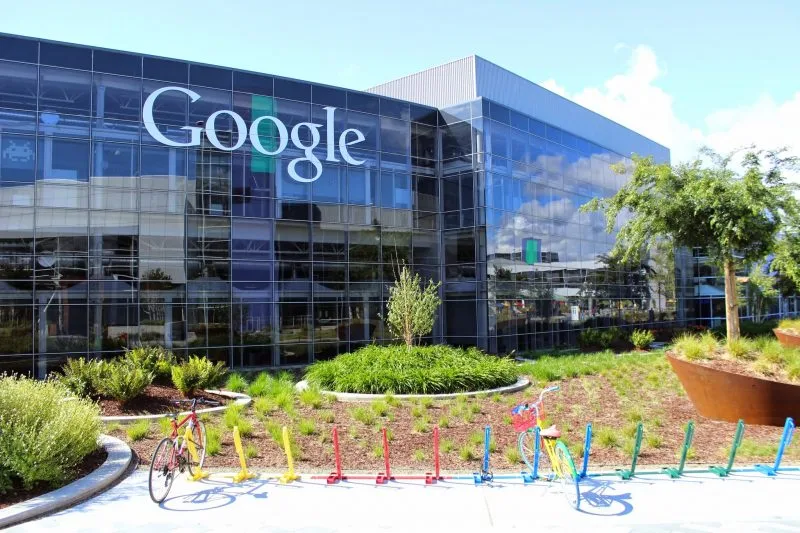
Google LLC has withdrawn an antitrust complaint it submitted to the European Union in the previous year regarding Microsoft Corp.'s competitive conduct. The announcement came today from the search engine operator. This decision follows closely on the heels of the European Commission initiating its own antitrust investigation into Microsoft, with the probe targeting the company's activities in the public cloud sector—the same area that formed the basis of Google's complaint.
Microsoft offers Windows Server, a version of its operating system tailored for public cloud deployments. Enterprises commonly rely on it to operate Microsoft's own applications, including SQL Server. In 2019, the corporation introduced significant revisions to its licensing terms for Windows Server running on non-Microsoft cloud platforms.
Google's complaint contended that this 2019 licensing modification constituted anticompetitive behavior. The company maintained that the revised terms made Windows Server deployment on Google Cloud substantially pricier compared to Microsoft's own Azure offering. Google referenced research indicating that the new licensing structure imposed costs exceeding €1 billion on European Union businesses.
Google raised additional concerns with EU authorities. The complaint alleged that Microsoft restricted customer access to Windows Server updates on rival cloud services and erected interoperability barriers.
Today, we are withdrawing it in light of the recent announcement that the EC will assess problematic practices affecting the cloud sector under a separate process
Giorgia Abeltino, head of government affairs and public policy for Google Cloud Europe
Abeltino continued, stating that Google remains committed to collaborating with regulators, policymakers, and customers throughout the European Union, the United Kingdom, and other regions to champion competition and transparency within cloud services.
The European Commission's investigation into Microsoft, initiated last week, will examine whether Azure should be classified as a core platform service under the EU's DMA framework. The Digital Markets Act, enacted in 2022, represents the bloc's principal antitrust legislation. Services designated as core platform services face heightened regulatory obligations.
A key provision within the DMA mandates that core platform services must offer straightforward mechanisms for users to transfer their information to alternative services. Should regulators apply this requirement to Azure, Microsoft could face pressure to modify its data transfer capabilities. Most other DMA requirements concentrate on consumer-facing products like smartphone operating systems, suggesting they would have limited application to Azure.
The Microsoft investigation represents one of three cloud market probes that Brussels announced last week. The European Commission will similarly assess whether Amazon Web Services meets the criteria for core platform service status. Furthermore, regulators will evaluate whether modifications to the DMA framework are necessary to more effectively address competitive concerns within the cloud industry.
Read more
TechCrunch Disrupt 2026 offers $75 passes for laid-off workers seeking their next opportunity
Those affected by recent tech layoffs can attend TechCrunch Disrupt 2026 at San Francisco's Moscone West for $75, with the discounted Expo+ Pass limited to the first 100 qualifying applicants before the event opens October 13.
How AI Created the GTM Engineer: Clay's Kareem Amin on a Rapidly Emerging Role
A position that barely existed two years ago is now appearing across technology companies. At TechCrunch Disrupt 2026, Clay's founder will explain how AI and automation are reshaping go-to-market work.

Deadline Tonight: Last Chance to Host a Side Event at Founder Summit 2026
Applications to host a Side Event during TechCrunch Founder Summit 2026 in Boston close at midnight PT tonight. The event runs November 1–7 and will draw over 1,000 tech leaders.