How AI Created the GTM Engineer: Clay's Kareem Amin on a Rapidly Emerging Role
A position that barely existed two years ago is now appearing across technology companies. At TechCrunch Disrupt 2026, Clay's founder will explain how AI and automation are reshaping go-to-market work.
The GTM engineer has emerged as a distinct professional category in just two years, driven by advances in artificial intelligence and automation tools. Where revenue operations once demanded multiple specialists, separate platforms, and hands-on coordination, practitioners in this new role now build systems that consolidate these functions. The transformation raises fundamental questions about how technology companies should structure their sales, marketing, and growth operations.
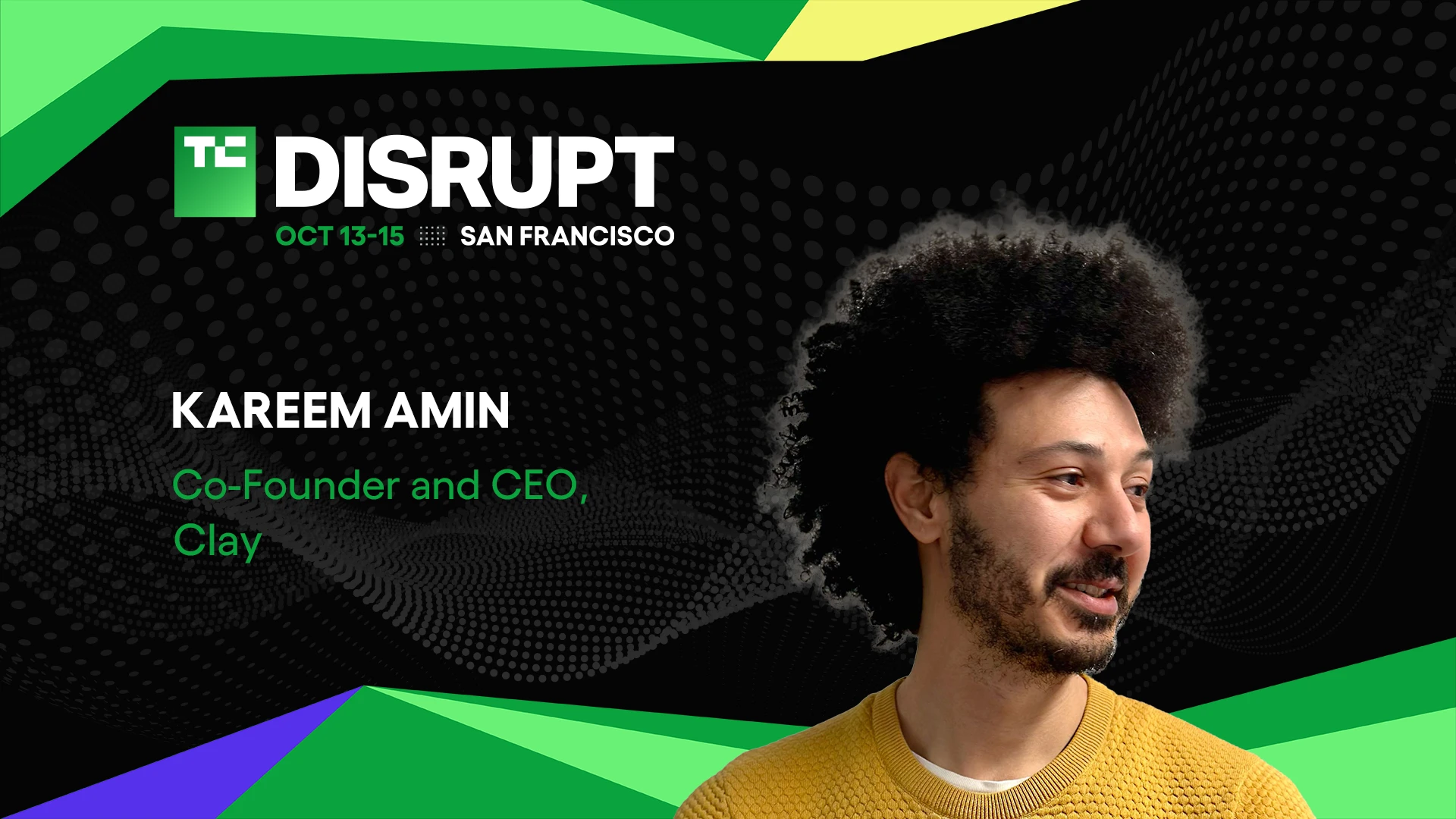
At TechCrunch Disrupt 2026, Kareem Amin, co-founder and CEO of Clay, will address this shift during a session titled "The GTM Engineer: How AI Created Tech's Next Big Job Category" on the AI Stage. Amin will examine how artificial intelligence has reshaped the conventional go-to-market technology landscape and enabled the emergence of this new discipline, offering attendees insights into what AI-native GTM looks like when deployed in real business environments and how it influences organizational expansion.
Artificial intelligence is providing go-to-market teams with fresh capabilities for identifying prospects, managing information, tailoring communications, and streamlining processes that previously required coordination across multiple applications and departments. As these capabilities consolidate, organizations are reconsidering not just their GTM technology infrastructure, but also who should design and oversee the mechanisms driving business growth.
What does a GTM engineer actually do?
Conventional go-to-market activities frequently consume significant time on prospect research, information validation, lead assessment, message preparation, and transferring data between disconnected systems. GTM engineering leverages AI, information management, and workflow automation to transform much of this activity into scalable, repeatable processes.
Clay established the terminology for this role in 2023. According to Clay's GTM engineering guide, GTM engineers are specialists who construct automated revenue workflows rather than performing individual GTM activities manually. The company reports that approximately 100 GTM engineering positions are now posted monthly, with openings at organizations including Cursor, Lovable, and Webflow.
For startup founders and growth executives evaluating budget allocation or staffing decisions, this session presents an alternative framework for thinking about expansion. Should you invest in additional headcount to execute existing workflows, or construct systems that enable your current team to operate with greater efficiency?
During Disrupt, Amin will contextualize this transition and examine what AI-native GTM implementation looks like in actual business scenarios. Attending this session provides an opportunity to understand a function that scarcely existed a few years ago yet may fundamentally alter how your organization structures its sales, marketing, and growth functions.
Clay puts AI to work across the GTM stack
Clay was established in Brooklyn in 2017 with a mission to democratize programming capabilities. The platform's initial spreadsheet-based tool enabled users to integrate data sources and automate processes without requiring coding expertise. When sales professionals, growth specialists, and service providers began leveraging the platform to identify and contact prospects, Clay expanded its focus toward go-to-market applications.
Currently, Clay supplies foundational technology enabling GTM teams to retrieve data, execute agent-driven workflows, and deploy campaigns. The company's Claygent, an agent powered by OpenAI, handles automated research and outreach for sales, marketing, and recruiting departments.
This strategic shift has coincided with substantial business expansion. TechCrunch reported in February that the company had increased annual recurring revenue to $100 million within a single year and conducted an employee tender offer valuing the organization at $5 billion. Growth has persisted following that milestone, with Clay announcing a $115 million Series D funding round in September at a $7.1 billion valuation.
Clay is also directly supporting the professional category featured in Amin's Disrupt presentation, launching a $1 million scholarship initiative in September dedicated to developing GTM engineers.
For organizations seeking to identify where artificial intelligence can deliver meaningful impact on revenue operations, adding Amin's presentation to your Disrupt schedule will demonstrate how one company is executing this strategy.
From product leader to a new GTM approach
Kareem Amin founded Clay in 2017 and continues as its co-founder and CEO. Previously, he held the position of VP of product at The Wall Street Journal and co-founded the collaboration platform Frame, which Sailthru purchased in 2012.
Amin established Clay based on the premise of making programming tools accessible to a broader audience. Artificial intelligence subsequently opened a new avenue for this vision: enabling go-to-market teams to construct systems that automate research, data enrichment, and outreach without requiring dedicated engineering support for each individual workflow.
Interested in learning how a GTM engineer could shape your organization's growth strategy? Registering for Disrupt will give you direct access to one of the founders helping establish this emerging field.
See what AI-native GTM looks like in practice at Disrupt
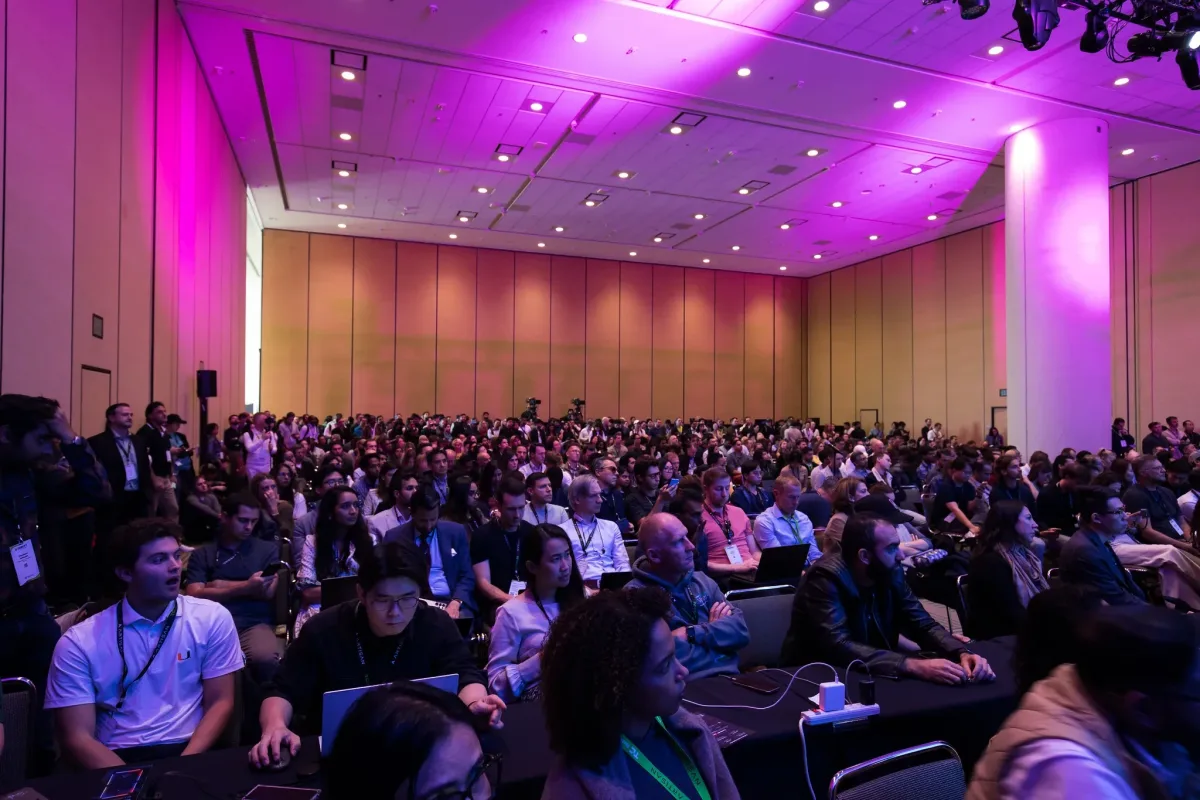
"The GTM Engineer: How AI Created Tech's Next Big Job Category" represents one of more than 200 presentations across six industry-focused stages, roundtable discussions, and breakout sessions at Disrupt, running October 13–15 at Moscone West in San Francisco. The event is projected to draw more than 10,000 founders, investors, operators, and technology executives, alongside 250+ speakers and 300+ participating startups.
Beyond formal presentations, the conference provides matchmaking, transaction opportunities, and networking platforms that allow participants to connect with prospective customers, capital providers, collaborators, and fellow founders navigating comparable growth obstacles.
Although GTM engineering represents a recently established professional category, the underlying challenge is longstanding: how can you identify and engage the appropriate customers without simply expanding your team size and tool count? Disrupt will showcase how artificial intelligence is reshaping this equation and introduce you to the innovators constructing what comes next.

Read more

TechCrunch Disrupt 2026 offers $75 passes for laid-off workers seeking their next opportunity
Those affected by recent tech layoffs can attend TechCrunch Disrupt 2026 at San Francisco's Moscone West for $75, with the discounted Expo+ Pass limited to the first 100 qualifying applicants before the event opens October 13.

Deadline Tonight: Last Chance to Host a Side Event at Founder Summit 2026
Applications to host a Side Event during TechCrunch Founder Summit 2026 in Boston close at midnight PT tonight. The event runs November 1–7 and will draw over 1,000 tech leaders.

Founders' playbook: Making the most of TechCrunch Disrupt 2026
TechCrunch Disrupt 2026 tackles a central question for startup leaders: how to build lasting companies in an AI-driven world. The October event in San Francisco brings together thousands of founders, investors, and tech leaders across six stages and hundreds of sessions.