Apple Pushes Back Against UK Antitrust Rules, Citing Security and Innovation Risks
Apple is resisting the UK's proposed antitrust regulations, arguing they mirror harmful EU policies and threaten user privacy while stifling technological advancement.
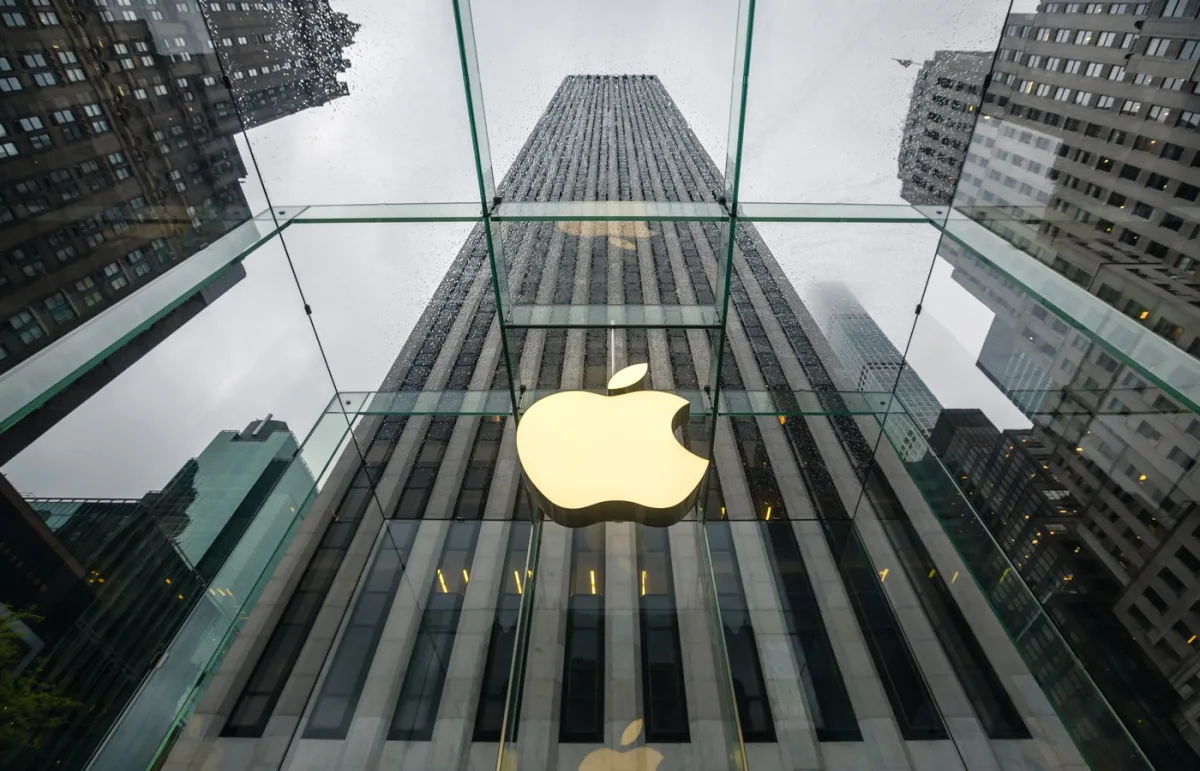
In a submission to UK regulators, Apple has objected to what it characterizes as European-style antitrust enforcement targeting technology firms. The company contends that such regulatory frameworks jeopardize product security, diminish innovation incentives, and unfairly penalize its vertically integrated business model.
We're concerned these EU-style rules the UK is advancing are bad for users and bad for developers. This approach undermines the privacy and security protections our users have come to expect, hampers our ability to innovate, and forces us to give away our technology for free to foreign competitors. We will continue to engage with the regulator to make sure they fully understand these risks.
Apple spokesperson
UK claims Apple is using its market dominance to squash its competition
Apple's objection arrives as it responds to the Competition and Markets Authority's (CMA) proposal to classify both Apple and Google as possessing "Strategic Market Status" (SMS). This designation would impose tailored regulatory obligations aimed at preventing anticompetitive conduct within the UK market. Together, iOS and Android power between 90% and 100% of smartphones in the country, establishing what the CMA views as an "effective duopoly."
The CMA has raised concerns that Apple may discourage app developers from presenting alternative payment mechanisms for in-app transactions through "choice architecture"—such as preset configurations favoring Apple's own offerings. Additionally, the authority alleges that Apple limits compatibility with third-party wearable devices.
A determination on whether Apple and Google receive Strategic Market Status designation is scheduled for October 22. Should they be designated, the CMA might propose specific remedies. Apple contests the legitimacy of the CMA's proposed measures, arguing they rely on feedback from merely 12 developers and a single trade association, which it says does not represent the broader ecosystem of thousands of App Store creators.
The European Union is pursuing comparable enforcement actions through its Digital Markets Act (DMA). The bloc previously imposed a €500 million penalty on Apple for preventing developers from directing users to external payment channels. Europe is also requiring Apple to improve interoperability between iOS, iPadOS, and external devices.
Apple is contesting its European fine, claiming that Europe's steering mandates have resulted in fraudulent schemes, deceptive marketing, and circumvention of parental control systems. The company has also reported receiving over one hundred requests for interoperability access in the region, many seeking sensitive user information, which Apple argues would compromise security if granted.
Apple further maintains that interoperability mandates force disclosure of proprietary technology to rivals who could replicate it, violating intellectual property rights and reducing motivation to develop new innovations.
UK argues its antitrust regulations differ from the EU's
The CMA has responded by asserting that its regulatory framework operates on different principles than Europe's approach.
They are designed to help UK businesses, including our thriving app developer economy, innovate and grow while ensuring UK consumers don't miss out on innovation being introduced in other countries. Driving greater competition on mobile platforms need not undermine privacy, security or intellectual property, and as we carefully consider UK-specific steps, we will ensure it does not.
CMA spokesperson
President Donald Trump sides with Apple
Apple's opposition to international regulations aligns with positions taken by President Donald Trump. On Monday, Trump announced plans to impose elevated tariffs and stringent export controls on semiconductors and related materials targeting nations that "attack" American technology companies through "Digital Taxes, Legislation, Rules, or Regulations."
Digital Taxes, Digital Services Legislation, and Digital Markets Regulations are all designed to harm, or discriminate against, American Technology. They also, outrageously, give a complete pass to China's largest Tech Companies. This must end, and end NOW!
President Donald Trump
Other technology firms, including Meta, have similarly characterized European regulatory measures as discriminatory and contradictory.
Apple has achieved favorable outcomes with UK authorities previously. Earlier this month, the government dropped its insistence that Apple develop a backdoor to its Advanced Data Protection encryption following pushback from the company and the US government.
Read more
TechCrunch Disrupt 2026 offers $75 passes for laid-off workers seeking their next opportunity
Those affected by recent tech layoffs can attend TechCrunch Disrupt 2026 at San Francisco's Moscone West for $75, with the discounted Expo+ Pass limited to the first 100 qualifying applicants before the event opens October 13.

How AI Created the GTM Engineer: Clay's Kareem Amin on a Rapidly Emerging Role
A position that barely existed two years ago is now appearing across technology companies. At TechCrunch Disrupt 2026, Clay's founder will explain how AI and automation are reshaping go-to-market work.

Deadline Tonight: Last Chance to Host a Side Event at Founder Summit 2026
Applications to host a Side Event during TechCrunch Founder Summit 2026 in Boston close at midnight PT tonight. The event runs November 1–7 and will draw over 1,000 tech leaders.