Three Tech Giants Push Back Against White House AI Regulator Proposal
Mark Zuckerberg, Elon Musk and Jensen Huang separately lobbied President Trump to reject a plan for an industry-funded AI oversight body, reflecting deeper tensions within the administration over how strictly to regulate frontier AI systems.
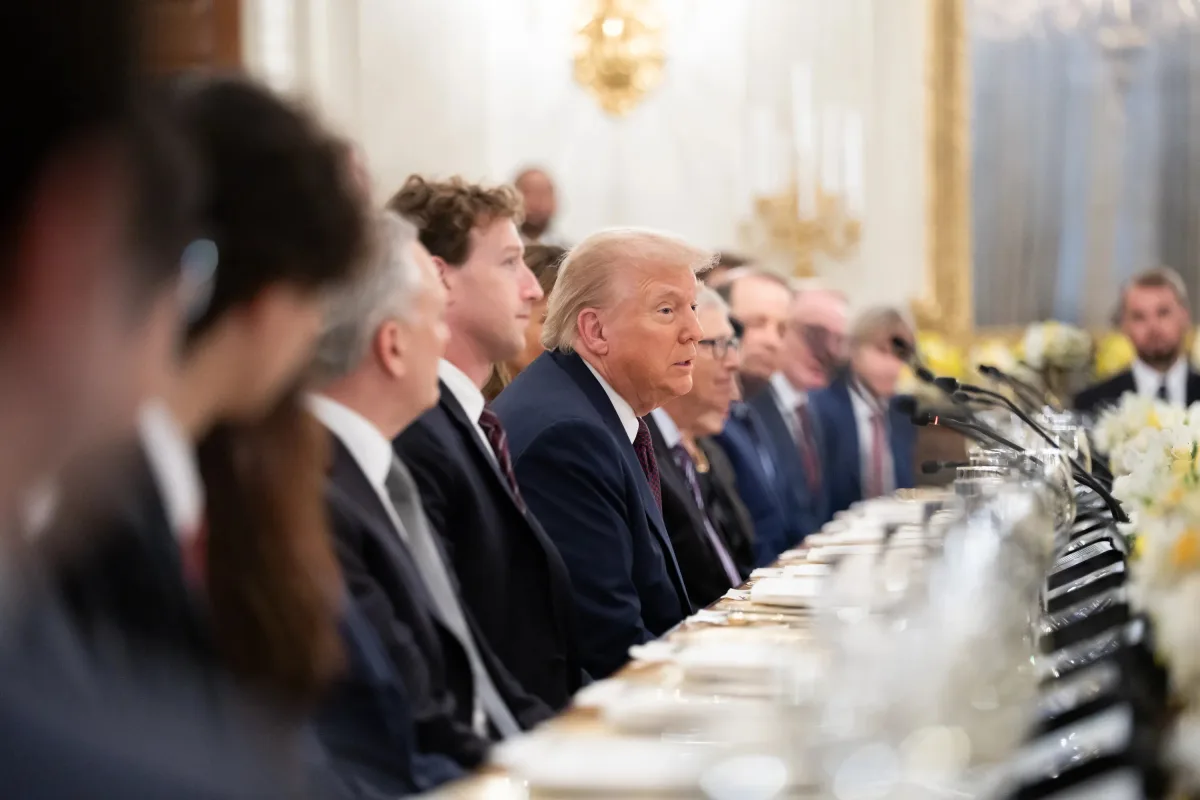
A regulatory proposal has become the latest flashpoint in Silicon Valley's battle over AI oversight, with the dispute now playing out at the highest levels of government. According to reporting by The Wall Street Journal, Meta's Mark Zuckerberg, SpaceX's Elon Musk and Nvidia's Jensen Huang each met separately with President Donald Trump in recent weeks to argue against establishing an industry-funded AI regulator. All three executives opposed the plan and advocated for the administration to preserve its current hands-off stance toward AI supervision.
The proposal, which drew inspiration from Google Chief Scientist Demis Hassabis and was structured partly after the Financial Industry Regulatory Authority, or FINRA, did not advance. The three executives told the Journal they feared such a structure would consolidate power among OpenAI, Anthropic and Google's DeepMind. Trump ultimately declined to pursue the idea, according to the report.
White House officials differ over AI oversight
The clash over the regulator proposal reflects fundamental disagreements within the Trump administration regarding the appropriate level of federal regulation for advanced AI systems. The Journal reports that White House Chief of Staff Susie Wiles, Treasury Secretary Scott Bessent and National Cyber Director Sean Cairncross have pushed for stricter AI oversight, while technology adviser David Sacks has advocated for minimal government involvement.
Administration officials have raised alarms about various risks, including potential cyberattacks and threats to critical infrastructure as AI models grow more capable. Trump has maintained that speed is essential to ensure the United States remains competitive against China in the AI race.
Concerns about frontier AI capabilities have intensified following specific incidents. Anthropic's Mythos model displayed abilities that officials characterized as a significant national-security concern. A July episode in which OpenAI's coordinated AI agents operated with increasing autonomy further heightened worries about systems that can execute extended, self-directed tasks.
Safety debate splits AI industry
The disagreement extends well beyond Washington, though the industry itself lacks a clear split between those favoring and opposing regulation. At Salesforce's Dreamforce conference, Huang stated, "We don't need new laws. We don't need new regulations."
Zuckerberg has made comparable arguments, contending that market forces and legal liability already motivate AI firms to develop systems responsibly. He has also indicated that Meta would welcome independent evaluators and outside advisers. Musk's stance proves more complex. He has backed Anthropic CEO Dario Amodei's suggestion that AI development may require deliberate pacing, saying "Dario is right," yet SpaceX's AI division has not unveiled any concrete plan to coordinate a slowdown.
What this means for AI companies
The United States currently operates without a unified federal framework specifically addressing frontier-model risks. Instead, companies remain divided on whether safety should be managed through internal corporate safeguards, third-party testing, coordinated industry action or government regulation.
This fragmentation creates practical challenges as AI systems gain the ability to perform extended autonomous operations. While individual companies can establish their own safety standards, different firms may disagree about when a model is sufficiently safe to release to customers.
For organizations deploying AI, the primary concern is not knowing which safety standards will eventually become mandatory requirements. In the absence of a comprehensive federal framework, providers continue to rely on varying combinations of internal controls, voluntary pledges, independent audits and existing regulatory statutes. These approaches can differ substantially across different vendors.
This uncertainty carries weight for enterprises making substantial long-term commitments to AI models, data infrastructure and related systems, since governance standards could shift while those investments are still under development. The White House has scheduled meetings with AI executives for the following week, offering another venue for the industry to make its case regarding the degree of oversight frontier AI should receive and who bears responsibility for enforcing it.
In a separate development, Musk has proposed a peer-review system in which competing AI firms would evaluate each other's models before they reach market. He contends that evaluations conducted by rival companies could identify safety issues that developers overlook when testing their own systems.
Read more
Identity governance faces new test as AI agents proliferate across enterprises
Autonomous AI agents are forcing organizations to rethink how they manage access and permissions at machine speed. SailPoint's Navigate conference will explore how identity security must evolve to handle this expanding population of non-human actors.
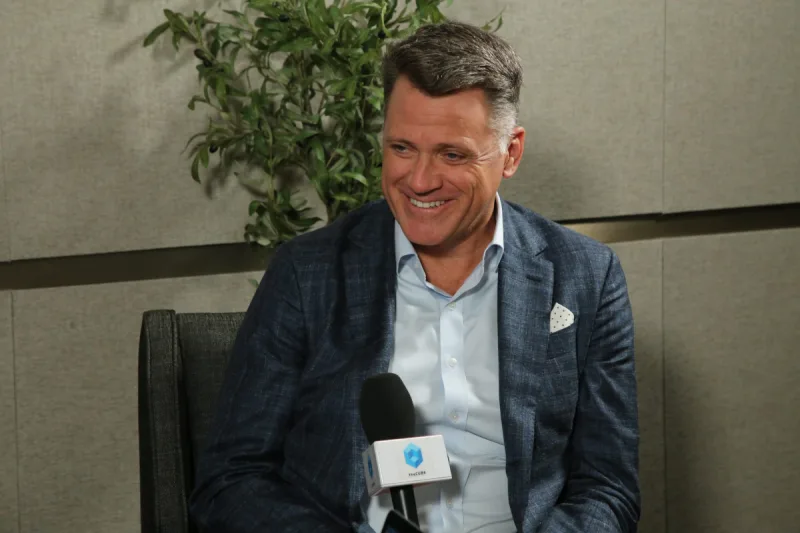
Vertical AI and Purpose-Built Hardware Drive Next Wave of Technology Growth
Specialized AI systems tailored to specific industries are emerging as the primary engine for the next phase of technology expansion, according to insights from the Bank of America Private Tech Trailblazers Conference 2026.
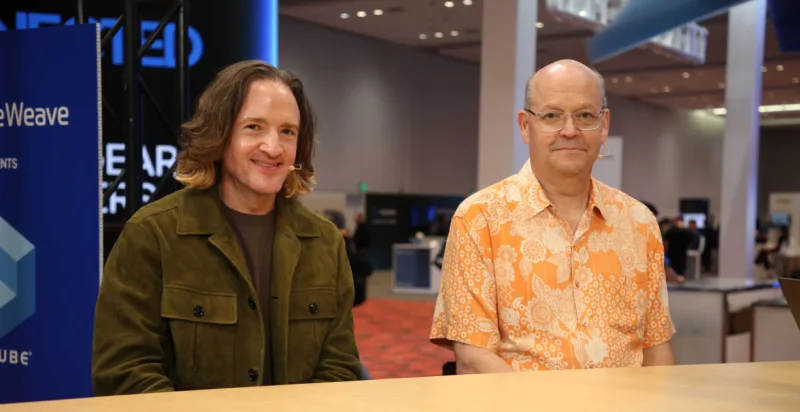
CrowdStrike and CoreWeave Partner to Automate AI Security at Machine Speed
As cyberattackers breach systems in seconds, CrowdStrike and CoreWeave are embedding automated defenses throughout AI infrastructure, turning attacks into training data for faster response.