Tech Giants Are Now Buying Creators' Unused Footage to Power AI Video Models
Google, OpenAI, and Moonvalley are paying content creators thousands of dollars for unpublished video material, fundamentally changing how AI companies source training data.
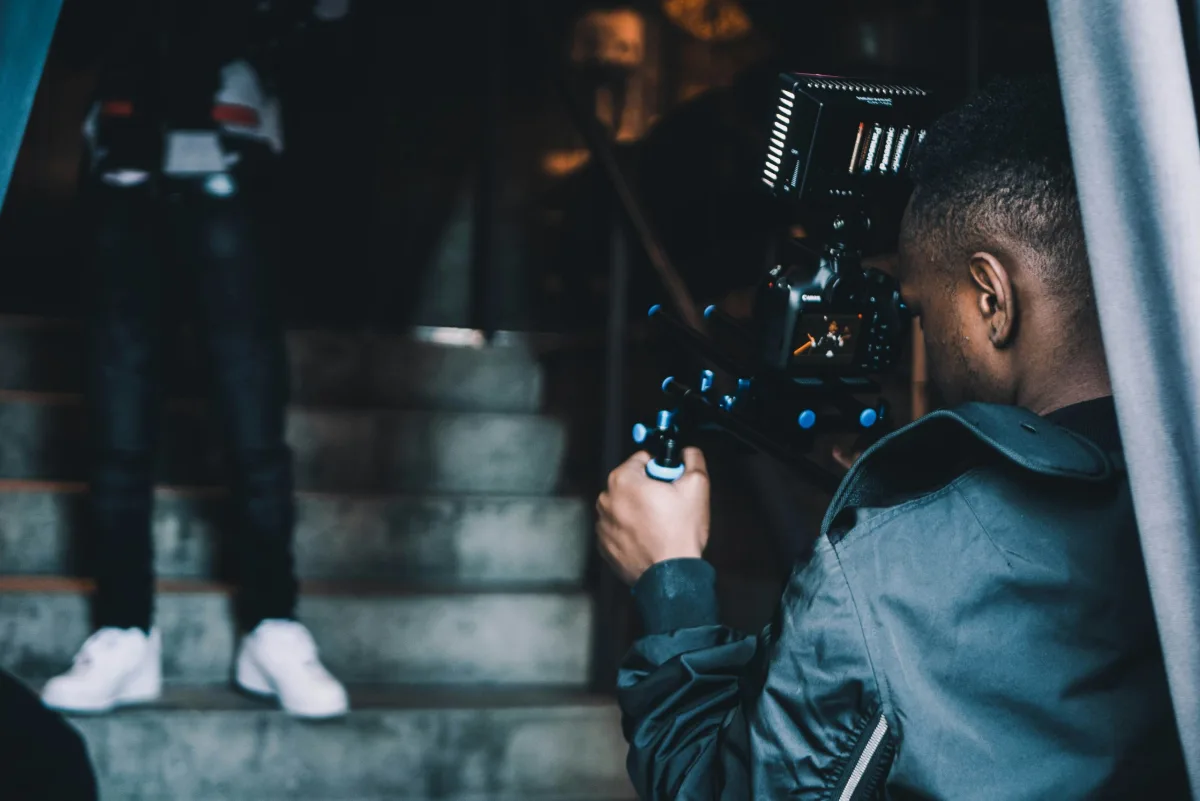
The competition to build advanced AI video generators has shifted strategy. Rather than scraping public content without permission, major technology firms are now directly purchasing exclusive, unpublished video material from digital creators and YouTubers, according to reporting by Bloomberg. This represents a notable change in how the industry acquires data for training artificial intelligence systems.
The financial terms reveal a structured market emerging around this content. Bloomberg reports that AI firms are offering between $1 and $4 per minute of footage, with pricing dependent on the material's quality and originality. Specialized content such as 4K recordings, aerial footage from drones, and 3D animation work commands premium rates, whereas standard unused material from platforms including YouTube, Instagram, or TikTok typically ranges from $1 to $2 per minute.
Dan Levitt, senior vice president of creators at Wasserman—a representation firm managing prominent social media personalities including YouTuber MatPat and fashion influencer Taylen Biggs—characterizes the situation as "an arms race" in which organizations have an urgent need for additional footage. Yet Levitt also cautions that this opportunity may not persist indefinitely, urging creators to move quickly to benefit from present market conditions.
Intermediaries Facilitate the Market
Specialized firms have entered the space to bridge creators and AI companies. Troveo AI and Calliope Networks function as third-party licensing intermediaries, handling the complex process of securing rights and organizing video content from creators. These facilitators negotiate with content producers and consolidate material into packages suitable for AI training, simplifying transactions for all involved.
Marty Pesis, co-founder and chief executive officer of Troveo, disclosed that his organization has already distributed more than $5 million to creators, demonstrating the substantial scope of this emerging market. Pesis stated that "All the companies building video models we're either working with or are in our pipeline right now," indicating widespread interest in sourcing training content through such channels.
Monetizing Unused Material
For creators, this arrangement provides a way to generate revenue from footage that would otherwise remain archived. Content producers regularly accumulate hundreds of hours of material annually across their production work, yet only a small percentage becomes part of published videos. Licensing agreements allow them to profit from this otherwise dormant inventory.
Protections Built Into Agreements
The licensing deals incorporate protections for creators' interests. Andrew Graham, head of digital corporate advisory and partnerships for Creative Artists Agency (CAA), explains that most contracts establish clear restrictions preventing AI companies from generating digital versions of creators or replicating specific scenes from their published work. These safeguards preserve creators' brand identity and reputation while they participate in AI training initiatives.
A Response to Legal Challenges
This licensing approach emerges in response to mounting legal disputes. Throughout 2024, news organizations, performers, and creators initiated multiple lawsuits against major AI firms, claiming unauthorized use of their intellectual property for training purposes—whether video, audio, text, or images. The new licensing framework provides a legally compliant and structured alternative for obtaining training material.
Levitt frames the shift positively, noting that "This is a way to actually participate in that, to do this in a much more legal, structured manner, and now you at least have some upside." The approach signals movement toward more transparent and ethical data acquisition in the AI industry.
Moonvalley, one of the companies actively acquiring footage, acknowledges that the majority of its training data originates from licensed agreements with willing content creators and filmmakers rather than from unauthorized scraping.
As AI video technology advances, this market for unused footage may reshape how creators approach content production, potentially affecting their decisions about capturing and preserving material for future licensing. Yet as Levitt cautions, creators seeking to benefit from these opportunities should move promptly, since the current window for such high-value licensing arrangements may eventually close.
Read more

Identity governance faces new test as AI agents proliferate across enterprises
Autonomous AI agents are forcing organizations to rethink how they manage access and permissions at machine speed. SailPoint's Navigate conference will explore how identity security must evolve to handle this expanding population of non-human actors.
Vertical AI and Purpose-Built Hardware Drive Next Wave of Technology Growth
Specialized AI systems tailored to specific industries are emerging as the primary engine for the next phase of technology expansion, according to insights from the Bank of America Private Tech Trailblazers Conference 2026.
CrowdStrike and CoreWeave Partner to Automate AI Security at Machine Speed
As cyberattackers breach systems in seconds, CrowdStrike and CoreWeave are embedding automated defenses throughout AI infrastructure, turning attacks into training data for faster response.