Sysco Pursues Half-Billion Dollar Savings Through AI-Powered Operations Overhaul
The food distribution giant is banking on artificial intelligence to unlock $500 million in cost reductions across its supply chain and back-office functions over three years, with $100 million expected by fiscal 2027.
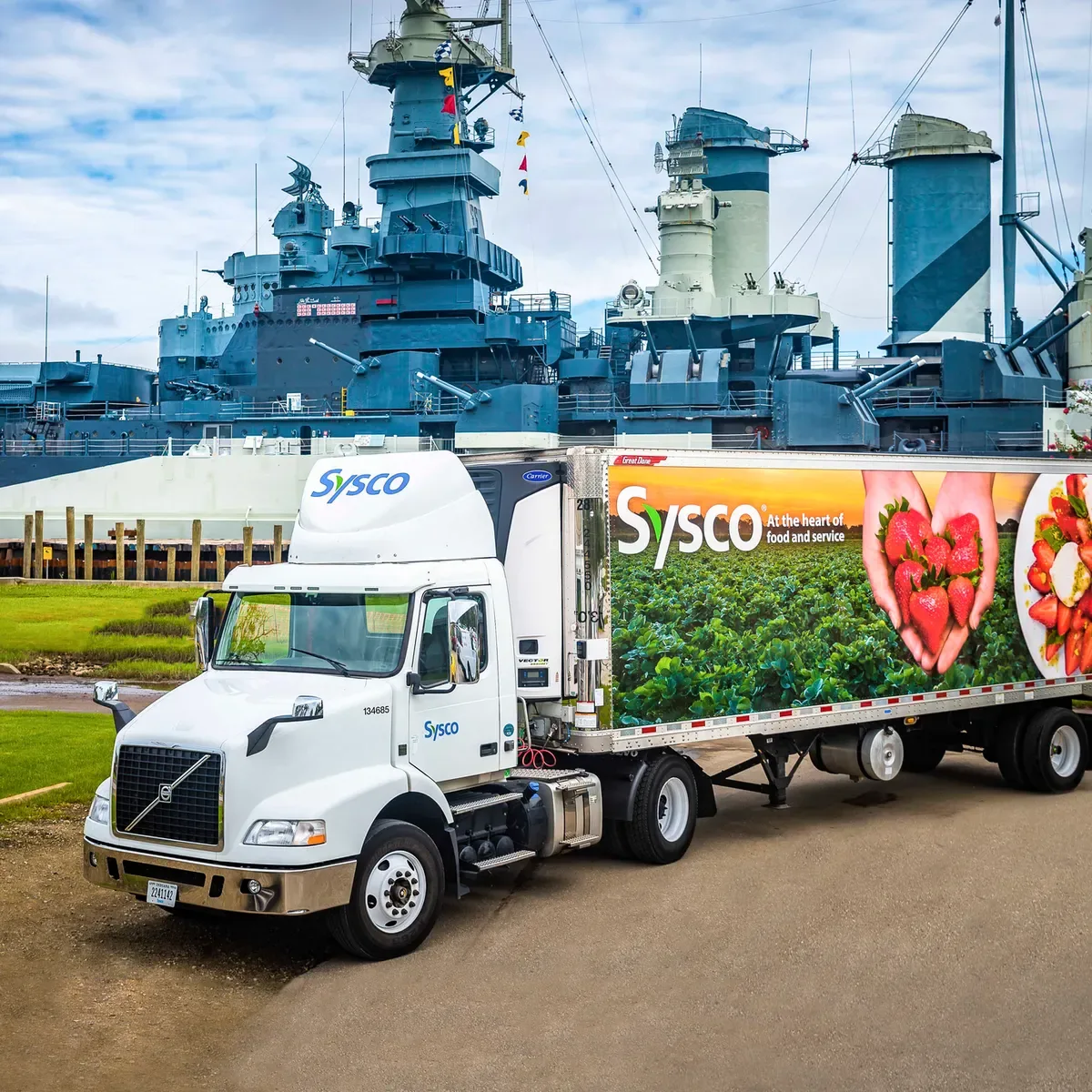
Sysco is charting an ambitious course to capture $500 million in cost reductions across a three-year span through an AI-enabled operational improvement initiative. According to a company announcement made Wednesday, the distributor expects to realize $100 million in net savings during its 2027 fiscal year as part of this broader transformation.
The initiative targets structural expense reduction through several interconnected areas: supply chain productivity gains, streamlined back-office processes, enhanced customer experience, more efficient indirect spending, and automated systems for merchandising and procurement operations.
During a recent earnings discussion for the fourth quarter of 2026, Sysco Chief Executive Officer Kevin Hourican emphasized how artificial intelligence capabilities are fueling organizational advancement. "We believe we can improve service to our customers, do our work more efficiently and reduce our structural operating expenses by leveraging best-in-class technology," Hourican stated.
Balancing AI Investment Against Rising Costs
Sysco's push to extract value from artificial intelligence reflects broader corporate anxiety regarding the financial implications of deploying the technology. According to research from Bain & Co. released this month, organizations should anticipate substantial increases in information technology spending as AI becomes woven throughout business processes. A typical consumer packaged goods enterprise with $10 billion in annual revenue could experience a 75% jump in IT expenditures by 2035, the analysis indicated.
Despite widespread enthusiasm for artificial intelligence, tangible financial returns remain elusive for many organizations. An SAP study found that while enterprises are capturing value through improved analytics and customer engagement, the technology frequently fails to deliver meaningful time or cost savings. Consequently, chief information officers are adopting a more measured stance as they confront token expenses, disappointing returns on investment, workforce capability shortages, and regulatory uncertainties.
Demonstrable Wins Emerging From AI Deployment
Despite these headwinds, organizations are beginning to identify concrete advantages from artificial intelligence implementation. Sysco introduced its AI360 CRM platform last year to strengthen sales team productivity, and the tool continues to generate conversion possibilities for sales personnel, Hourican noted during the earnings call. The company's sales revenue climbed 3.9% to $84.6 billion throughout fiscal 2026, which concluded on June 27.
Multiple operational improvements are contributing to Sysco's anticipated 2027 fiscal year savings targets. These encompass technology upgrades designed to enhance inventory forecasting precision and order fulfillment rates, AI applications for contract drafting, and development tools that accelerate coding tasks. The organization is also prioritizing an overhaul of its transportation logistics platform.
"It's about customer-centric routing capabilities, doing that work in a more agile manner, decreasing miles driven while simultaneously increasing our [on time delivery] promise to the customer," Hourican explained.
Read more
Identity governance faces new test as AI agents proliferate across enterprises
Autonomous AI agents are forcing organizations to rethink how they manage access and permissions at machine speed. SailPoint's Navigate conference will explore how identity security must evolve to handle this expanding population of non-human actors.

Vertical AI and Purpose-Built Hardware Drive Next Wave of Technology Growth
Specialized AI systems tailored to specific industries are emerging as the primary engine for the next phase of technology expansion, according to insights from the Bank of America Private Tech Trailblazers Conference 2026.

CrowdStrike and CoreWeave Partner to Automate AI Security at Machine Speed
As cyberattackers breach systems in seconds, CrowdStrike and CoreWeave are embedding automated defenses throughout AI infrastructure, turning attacks into training data for faster response.