Platform Risk: How AI Founders Navigate the Threat of Becoming a Feature
As OpenAI, Anthropic, and Google release new capabilities every few months, AI startups face an existential question: what happens when the product you spent a year building becomes part of the platform itself? A TechCrunch Disrupt session explores where defensibility still exists.
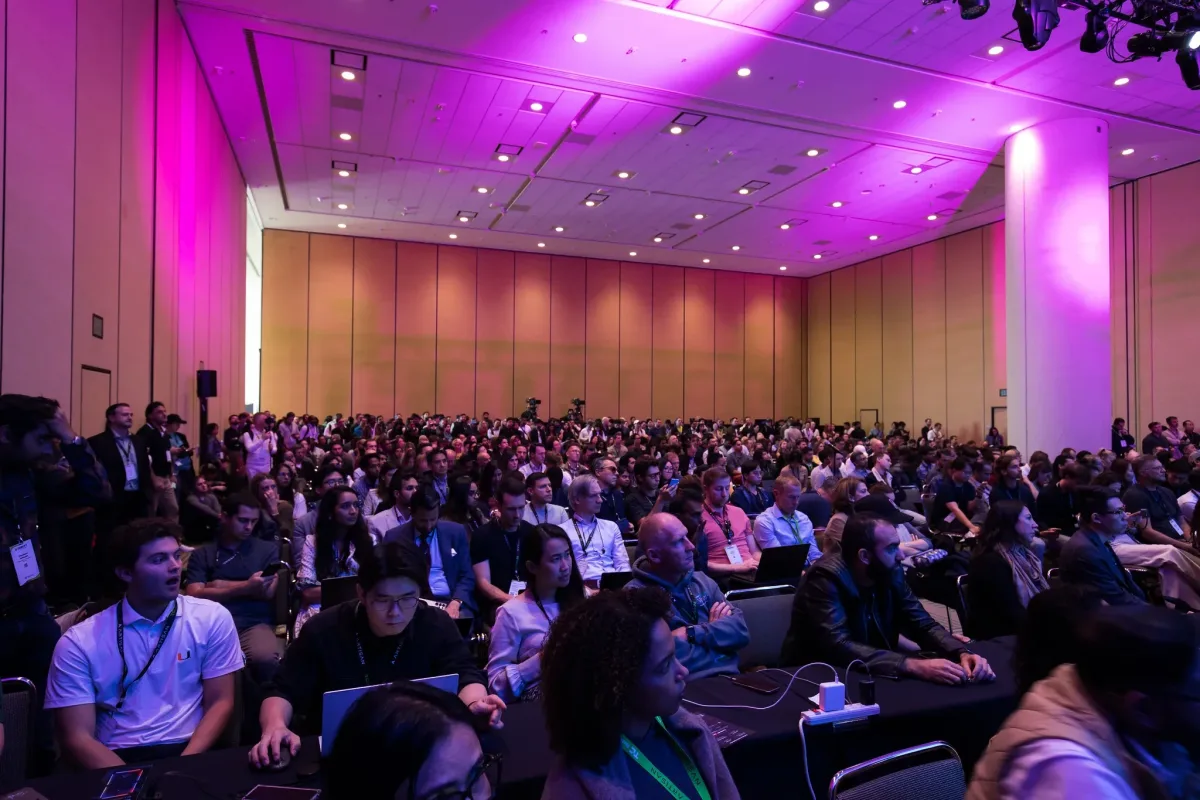
The competitive landscape for AI startups has shifted in a fundamental way. Rather than fearing other founders, many are now watching the foundation model companies—OpenAI, Anthropic, Google—with greater concern. Each major platform release raises an uncomfortable possibility: the differentiated feature you've invested months or years developing could be absorbed into the base product, overnight.
This threat is reshaping how AI companies approach product strategy, capital raising, and long-term valuation. The strategic question has evolved from "Can we build it?" to "Can we still own it?" The implications ripple through every decision founders make about where to invest engineering effort and how to articulate defensibility to investors.
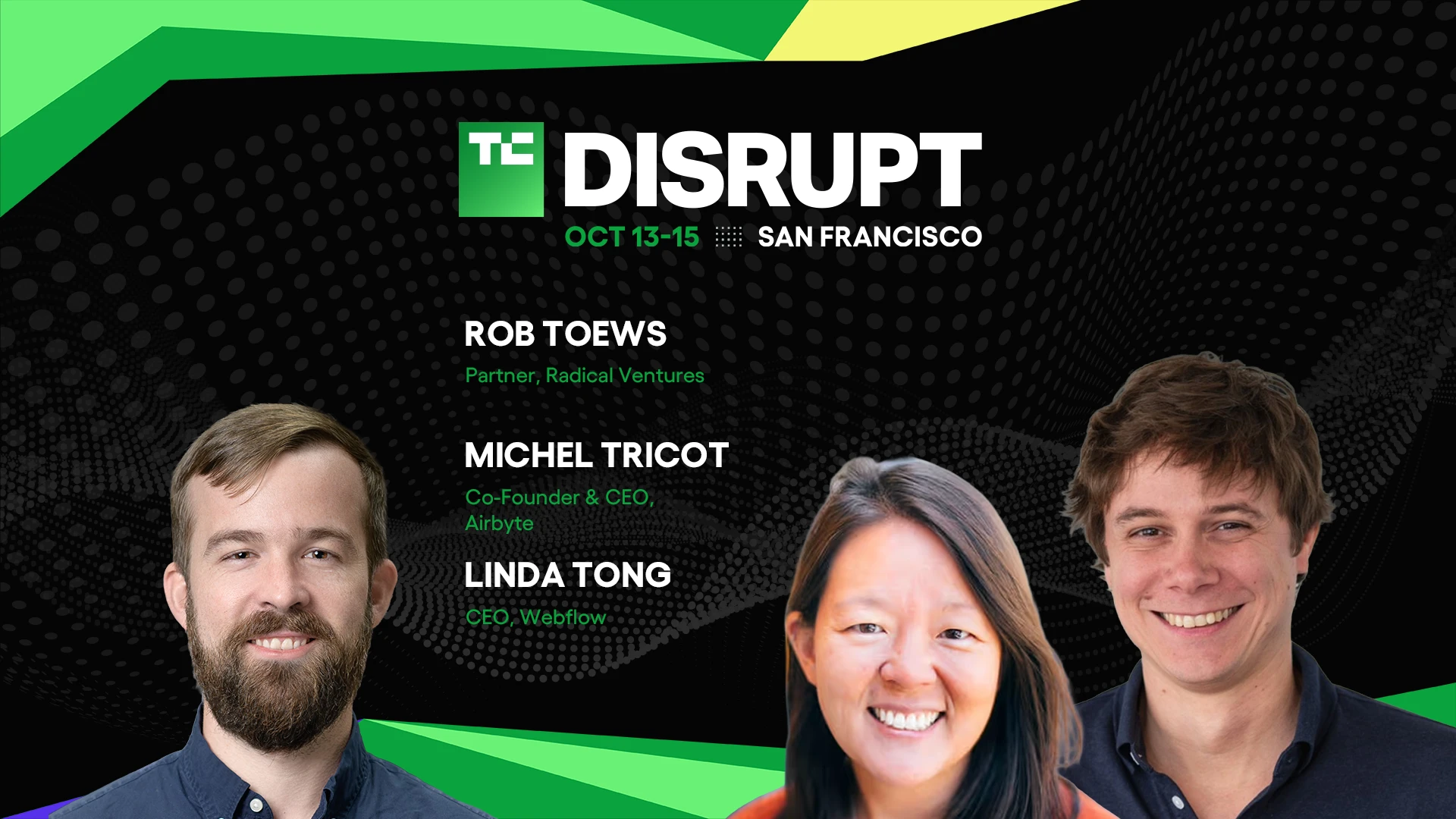
At TechCrunch Disrupt 2026, taking place October 13–15 at Moscone West in San Francisco, a Builders Stage session titled "What Happens When OpenAI Ships Your Roadmap" will bring together Michel Tricot, CEO and Co-founder of Airbyte; Rob Toews, Partner at Radical Ventures; and Linda Tong, CEO of Webflow, to examine this challenge from three angles. The event draws 10,000+ founders, investors, and operators for 250+ sessions on how startups are built and scaled.
When products become features
The core risk is straightforward: as foundation models evolve rapidly, capabilities that once set an AI startup apart can quickly become baseline expectations. Founders increasingly find themselves competing not just with other startups but with the platforms themselves.
The winners in the next phase of AI may not be determined by the quality of their underlying models. Instead, they'll be separated by what models cannot easily replicate: proprietary datasets, embedded customer workflows, established relationships, specialized domain knowledge, and earned trust. The question founders must answer is whether customers will continue to find value in what they've built after the next model release arrives.
This session will explore where defensibility remains possible, how founders should respond when AI giants expand into adjacent spaces, and what distinguishes companies that avoid becoming features from those that remain independent businesses.
Three perspectives on AI's biggest strategic question
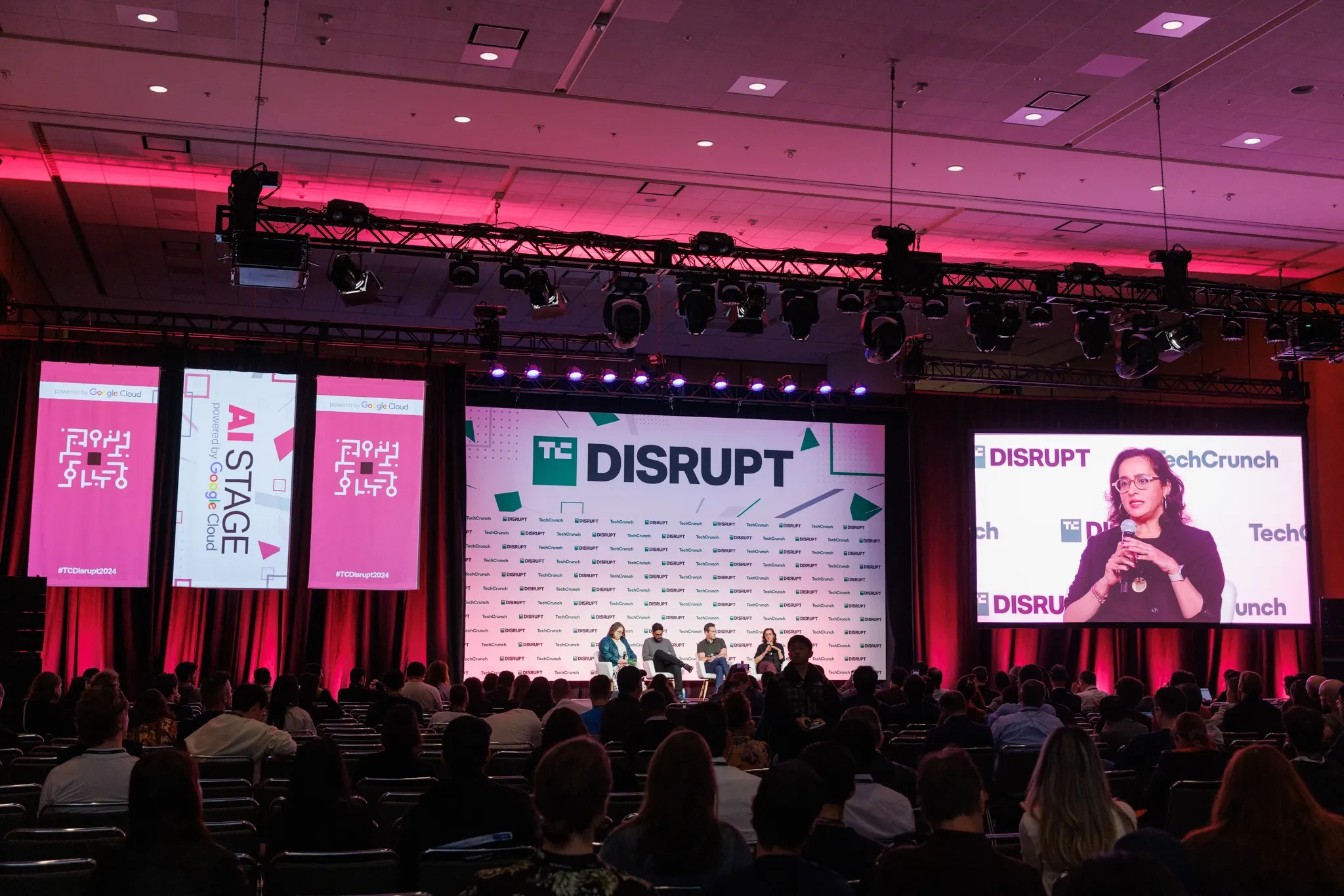
The Builders Stage brings together a founder, an operator, and an investor to examine how lasting value gets created when the underlying technology shifts constantly.
Building durable infrastructure beyond the model
Michel Tricot has built his career around data integration infrastructure that supports analytics, operations, and AI systems. At Airbyte, which he co-founded and leads as CEO, the open-source platform now serves more than 7,000 customers, including 18% of the Fortune 500. His experience offers direct insight into where sustainable businesses are constructed in the AI era.
Maintaining differentiation as AI reshapes expectations
Linda Tong, as CEO of Webflow, is steering one of the industry's most prominent visual development platforms through a major technology transition. Her background includes leadership roles at Google, Cisco, and the NFL, providing practical perspective on how to evolve products while preserving competitive advantage.
Identifying defensibility from an investor's view
Rob Toews evaluates AI startups regularly as a Partner at Radical Ventures, assessing where competitive advantages genuinely exist and where products face the risk of becoming features. His perspective addresses what convinces investors that an AI company will retain relevance years into the future.
Building lasting defensibility as models improve
Foundation models will continue advancing—that outcome is certain. As OpenAI and Anthropic expand their capabilities, founders must determine how they'll maintain differentiation. The companies that lead in the next era of AI will be those built on elements the models themselves cannot easily replicate: the workflows they enable, the data they control, the specific problems they solve, and the trust they've cultivated.
Rather than reacting to each new model release, this session will examine where defensibility persists, what enterprise and startup buyers actually value, and how to construct companies that remain relevant as AI evolves. The greatest danger isn't building a weak product—it's building a strong one that eventually becomes someone else's feature. For founders building AI companies, the question isn't whether foundation models will continue to improve. It's whether your company will continue creating value as they do.
Read more
Identity governance faces new test as AI agents proliferate across enterprises
Autonomous AI agents are forcing organizations to rethink how they manage access and permissions at machine speed. SailPoint's Navigate conference will explore how identity security must evolve to handle this expanding population of non-human actors.
Vertical AI and Purpose-Built Hardware Drive Next Wave of Technology Growth
Specialized AI systems tailored to specific industries are emerging as the primary engine for the next phase of technology expansion, according to insights from the Bank of America Private Tech Trailblazers Conference 2026.
CrowdStrike and CoreWeave Partner to Automate AI Security at Machine Speed
As cyberattackers breach systems in seconds, CrowdStrike and CoreWeave are embedding automated defenses throughout AI infrastructure, turning attacks into training data for faster response.