Nvidia's $12.9 Billion Hugging Face Acquisition Opens New Doors for Enterprise AI
Nvidia's purchase of the open-source AI platform Hugging Face marks a strategic shift toward AI operating systems and could deliver enterprise benefits through enhanced security and model evaluation tools.
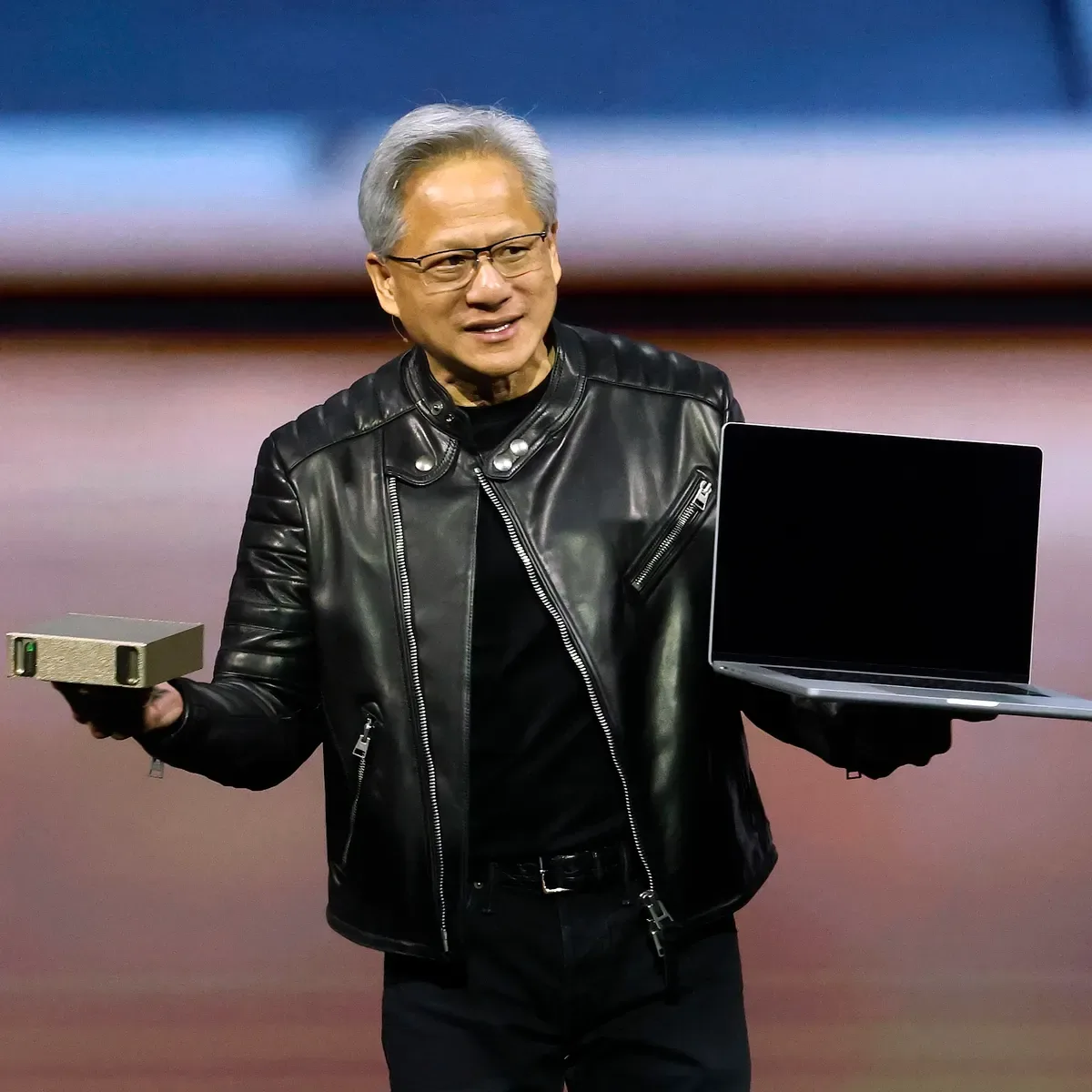
Nvidia announced Thursday that it is acquiring Hugging Face, an open-source AI platform, for $12.9 billion. CEO Jensen Huang revealed the deal in a blog post, signaling the chipmaker's expansion beyond hardware into AI operating systems. The acquisition represents Nvidia's second-largest deal on record, trailing only its $20 billion purchase of Groq assets in December.
Huang stated that Nvidia intends to expand Hugging Face's reach to developers seeking access to open models. The platform currently serves more than 200,000 companies deploying AI systems. According to Huang, Hugging Face will maintain its status as an open platform supporting multicloud and multi-accelerator environments under Nvidia ownership.
Nick Patience, VP and practice lead of AI platforms at The Futurum Group, believes the deal could strengthen Hugging Face by bringing additional security resources and providing CIOs with improved reliability and model evaluation capabilities. "With the Nvidia resources behind it, I expect Hugging Face to play a more prominent role in the future," Patience told CIO Dive.
Open-Source Models Gain Momentum
The acquisition reflects Nvidia's confidence in the expanding ecosystem of open-source and open-weight models, which enable organizations to develop AI capabilities without training from scratch. Major players including Meta, Alibaba and Google have invested heavily in open-source models, though newer entrants like DeepSeek, which released DeepSeek-R1 in 2025, are gaining traction.
Huang emphasized the strategic importance of open models in his announcement: "[Open-source models] enable organizations to match the right model to the right job. That is how AI can advance safely, strengthen cybersecurity and sovereignty, accelerate innovation, and reach factories, hospitals, farms, classrooms and Main Street businesses around the world."
Enterprise Impact and Ecosystem Concerns
Industry analysts have expressed limited concern that the acquisition will disrupt the open-source ecosystem or harm enterprises relying on open models. Lian Jye Su, chief analyst at Omdia, noted the parallel to Microsoft's GitHub acquisition, suggesting Nvidia has incentives to maintain openness. "It is in Nvidia's interest to keep Hugging Face's community as open as possible, similar to Microsoft's acquisition of GitHub," Su told CIO Dive.
Su highlighted Nvidia's track record supporting open-source initiatives, including its Nemotron model family—a multimodal open model designed for self-evolving agents. He expects Hugging Face to remain a central hub for AI models without pushing specific dependencies on Nvidia's GPU or computing frameworks.
Patience noted that Nvidia's dominance in AI compute means the company already controls significant leverage regardless of Hugging Face ownership. "[Nvidia] is obviously looking to vastly increase its developer community via this deal, but it already dominates AI compute regardless of who owns Hugging Face," he said.
Cost and Risk Considerations for CIOs
Most enterprises are unlikely to see immediate cost changes from the deal. Futurum data indicates that just under 30% of enterprises obtain models through a hub or marketplace, with the majority sourcing directly from cloud or AI providers. However, Patience warned that reduced negotiating leverage could emerge as a concern over time.
Security represents another consideration for CIOs evaluating the acquisition. Hugging Face experienced a breach involving OpenAI models during cybersecurity testing in July, part of a broader pattern of incidents demonstrating the access risks associated with powerful AI systems.
Nvidia's investment in platform reliability and model evaluation tools could mitigate these concerns, according to Patience. "If Nvidia invests in the platform reliability and model evaluation tooling it says it will — and I'd be astonished if it doesn't — that could actually hand CIOs better provenance and vetting tools than they have today," he said.
Read more
Identity governance faces new test as AI agents proliferate across enterprises
Autonomous AI agents are forcing organizations to rethink how they manage access and permissions at machine speed. SailPoint's Navigate conference will explore how identity security must evolve to handle this expanding population of non-human actors.

Vertical AI and Purpose-Built Hardware Drive Next Wave of Technology Growth
Specialized AI systems tailored to specific industries are emerging as the primary engine for the next phase of technology expansion, according to insights from the Bank of America Private Tech Trailblazers Conference 2026.

CrowdStrike and CoreWeave Partner to Automate AI Security at Machine Speed
As cyberattackers breach systems in seconds, CrowdStrike and CoreWeave are embedding automated defenses throughout AI infrastructure, turning attacks into training data for faster response.