How a Regional Bank CFO Is Importing AI Discipline From a National Lender
Northwest Bancshares' finance chief brought governance practices from KeyBank to manage which AI projects scale. The focus: treating AI tools with the same oversight given to junior analysts.
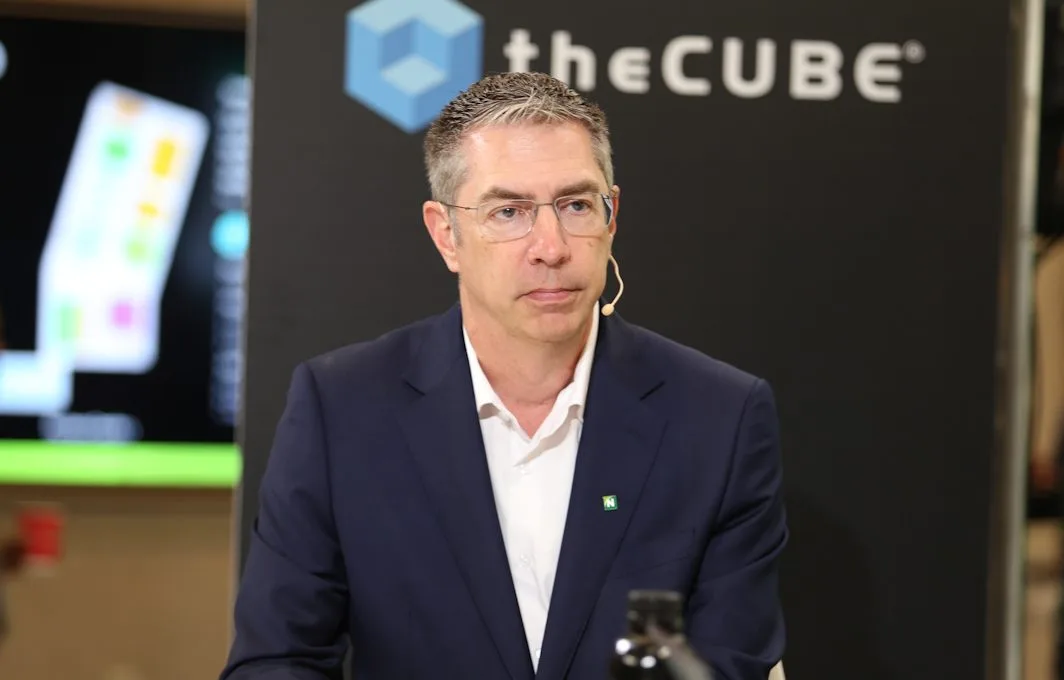
Smaller regional banks are adopting governance frameworks developed at much larger institutions. KeyBank National Association is among the places where these transformation strategies originated, and those methodologies are now spreading to lenders of different scale. The shift involves more than just copying technology budgets—it centers on building discipline around which AI initiatives merit expansion. Doug Schosser, chief financial officer at Northwest Bancshares Inc., brought this structured approach after running a similar overhaul at a previous employer. Workiva Inc., a software partner that was part of KeyBank's infrastructure, has traveled with him to Northwest Bancshares, and the company has made AI governance central to its strategy at its Amplify event.
Schosser explained his thinking in an interview at Amplify with theCUBE's Krista Case and co-host Alison Kosik. "After we spent some time sort of learning how you could get information delivered so much more efficiently and so much more connected with operational data through using some other software, I decided to bring that experience over to Northwest," Schosser said. "It was interesting because the size and scale of the two firms are very different."
Applying KeyBank's Framework to a Smaller Institution
Schosser evaluates AI proposals using three criteria: how they affect customers, whether they boost internal efficiency, and their role in reducing risk. Workiva has expanded its own offerings in this space, introducing specialized AI agents and an intelligence layer for critical reporting functions in July. Yet Schosser observed that oversight has not kept up with how quickly these tools are advancing.
"We think about hiring a junior analyst and having a lot of oversight over that person early on in their job," Schosser said. "For whatever reason, we don't think about technology that way, but I'm thinking they are doing similar tasks with similar data."
The foundation for any AI initiative, in Schosser's view, rests on having reliable and well-maintained data. He characterized the effort as a large coordination challenge that requires alignment across finance, IT and business units. The same rigor applies when deciding which existing systems should transition into the new environment.
"Just layering on a new tool on top of bad process is never a particularly good answer," he said. "It may just lead you to automating something that's not very efficient or that's creating friction on its own."
The reporting system Schosser imported from KeyBank contains an archive of historical documents that can serve as training material for AI agents to learn routine tasks like rolling forward numbers from one period to the next. The real value, he believes, emerges in how this frees up people to focus on work that machines cannot do as well.
https://www.youtube.com/embed/s3OQOEXJyys?feature=oembed
"I think technology amplifies your ability to do things more quickly," he said. "That way you can get your human workforce to really do what they're best at, which is probably still detailed explanations and helping connect the dots."
Read more
Identity governance faces new test as AI agents proliferate across enterprises
Autonomous AI agents are forcing organizations to rethink how they manage access and permissions at machine speed. SailPoint's Navigate conference will explore how identity security must evolve to handle this expanding population of non-human actors.

Vertical AI and Purpose-Built Hardware Drive Next Wave of Technology Growth
Specialized AI systems tailored to specific industries are emerging as the primary engine for the next phase of technology expansion, according to insights from the Bank of America Private Tech Trailblazers Conference 2026.
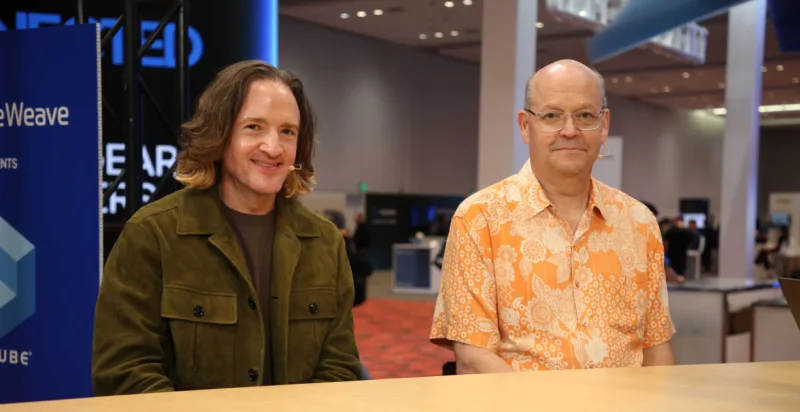
CrowdStrike and CoreWeave Partner to Automate AI Security at Machine Speed
As cyberattackers breach systems in seconds, CrowdStrike and CoreWeave are embedding automated defenses throughout AI infrastructure, turning attacks into training data for faster response.