Chewy Targets $50M in Annual Savings Through AI-Powered Operations
The pet supplies retailer is banking on artificial intelligence to drive down costs across customer service, pharmacy, and veterinary operations, with executives projecting significant financial returns beginning in fiscal 2027.
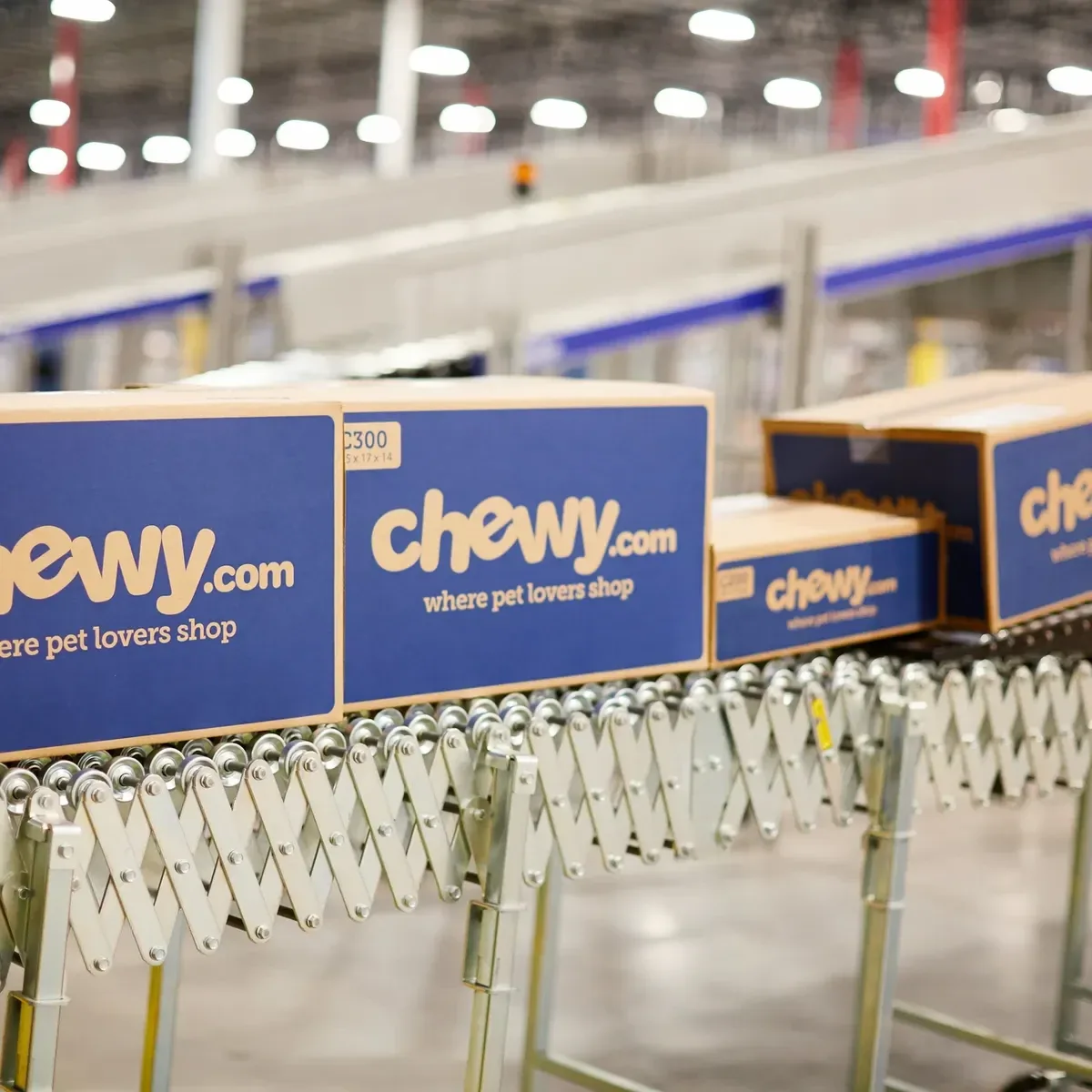
Chewy disclosed ambitious cost-reduction targets tied to its artificial intelligence investments during its second-quarter 2027 earnings presentation to investors on Wednesday. The company anticipates capturing $50 million in annual cost reductions stemming from AI initiatives, with these savings materializing starting in fiscal year 2027.
The retailer has rolled out AI-driven capabilities spanning customer support, pharmaceutical operations, and veterinary services, all designed to compress variable expenses, minimize hands-on work, and boost operational efficiency. CEO Sumit Singh highlighted during the earnings call that Cai, Chewy's AI-powered assistant introduced to select customers in the second quarter, has handled approximately 30% of self-service chat interactions covering orders, account details, and the Autoship subscription program.
Chewy's strategy involves constructing foundational AI infrastructure and ensuring data quality to enable more sophisticated agentic capabilities down the road, Singh explained. "We will continue to innovate behind this new technology and utilize it to improve experience and drive deeper customer engagement," he stated during the call.
Building for an Agentic Tomorrow
The company is positioning itself for a future driven by autonomous AI agents, investing in infrastructure that will support emerging capabilities as they become available. This forward-looking approach aims to unlock the financial benefits that AI promises to deliver.
Chewy's strategy mirrors broader industry trends. According to Gartner research released earlier this year, organizations plan to more than double their investment in agentic and generative AI throughout 2026, with total worldwide AI expenditure expanding by nearly $1 trillion.
At Chewy specifically, AI tools are converting customer activity patterns into actionable intelligence, Singh told the investment community. The technology is simultaneously streamlining information processing within pharmacy divisions. Additionally, the company introduced Callie, an AI-powered voice system deployed at select Chewy Vet Care facilities, which handles appointment confirmations and schedules subsequent visits.
During the prior fiscal year, AI-driven projects delivered savings in the low tens of millions range. CFO Chris Deppe remarked on the company's cost structure during the earnings presentation: "As our automated facilities continue to scale and utilization improves, we are leveraging the fixed cost infrastructure embedded within the network while also reducing variable costs through automation, process improvements and AI-enabled tools."
To support future agentic AI systems, Chewy invested multiple quarters in developing infrastructure and ensuring data integrity, including the creation of a multiagent orchestration framework. Layering agentic capabilities onto this prepared foundation will enable more sophisticated interactions between different systems, Singh indicated.
"We believe we have a durable competitive advantage here because companies will take years to get to this point or they'll essentially have to go out and integrate through third-party providers, where all of our solution is first-party built," Singh said.
The broader market is accelerating AI agent adoption. A Salesforce report found that the typical number of AI agents in use across organizations nearly tripled between February 2025 and April 2026. Over the same period, the average timeline for constructing and deploying an agent compressed to just under two days, representing a 53% reduction. Salesforce attributed this acceleration to a shift away from exploratory pilots toward actual production deployment.
Read more
Identity governance faces new test as AI agents proliferate across enterprises
Autonomous AI agents are forcing organizations to rethink how they manage access and permissions at machine speed. SailPoint's Navigate conference will explore how identity security must evolve to handle this expanding population of non-human actors.

Vertical AI and Purpose-Built Hardware Drive Next Wave of Technology Growth
Specialized AI systems tailored to specific industries are emerging as the primary engine for the next phase of technology expansion, according to insights from the Bank of America Private Tech Trailblazers Conference 2026.

CrowdStrike and CoreWeave Partner to Automate AI Security at Machine Speed
As cyberattackers breach systems in seconds, CrowdStrike and CoreWeave are embedding automated defenses throughout AI infrastructure, turning attacks into training data for faster response.