Where Venture Capital Is Betting on Seed Rounds: Four Sectors Attracting $5M–$10M Investments
An analysis of roughly 800 global seed financings reveals where mid-sized rounds are clustering this year, with proptech, cancer therapeutics, space tech, and robotics emerging as the dominant investment themes.

Individual seed financings offer limited insight into emerging startup trends, but examining patterns across hundreds of deals paints a clearer picture of where capital is concentrating. Crunchbase News conducted a data analysis focused specifically on seed-stage investment patterns, examining approximately 800 global seed rounds that closed this year in the $5 million to $10 million range.
This funding bracket was chosen deliberately. In an environment dominated by mega-rounds, mid-sized seed deals better represent the traditional seed investment model: backing unproven founders, nascent technologies, and untested business models. The analysis identified five popular investment themes, with cybersecurity covered separately. The remaining four sectors—proptech, cancer therapeutics, space tech, and robotics—show where seed investors are placing their bets.
No. 1: Proptech
Real estate constitutes the world's largest asset class, offering startups an enormous and diverse market opportunity. According to a McKinsey & Company estimate from several years ago, real estate represented approximately two-thirds of global net worth.
Despite this scale, venture capital directed toward real estate and construction remains surprisingly limited. Crunchbase data shows that proptech investment totaled just over $10 billion last year, substantially below levels achieved in previous years.
Seed-stage investors appear optimistic about startup-driven growth in this sector. They are actively funding rounds in the $5 million to $10 million range for companies addressing inefficiencies in planning and construction, improving rental operations, lowering building energy use, and similar challenges. Notable examples include Hint, an AI-powered home management platform; Optiml, which develops software for real estate decarbonization; and Krane, an AI-enabled construction supply chain solution.
No. 2: Cancer treatments
Cancer presents a compelling investment thesis requiring minimal persuasion. An estimated 39% of Americans will receive a cancer diagnosis during their lifetime, and cancer ranks as the second leading cause of death after heart disease.
While seed-stage companies cannot immediately impact these statistics, investors backing cancer therapeutics and diagnostics developers appear confident in their long-term potential. This year saw substantial seed funding activity in the $5 million to $10 million range for this sector.
Three California-based startups each secured $10 million, representing the largest financings in this category. These include Rybodyn, which uses AI to discover previously undetected cancer targets; Vivere Oncotherapies, developing targeted therapies for solid tumors; and Valius Sciences, focused on cancer diagnostics.
No. 3: Space and satellite tech
SpaceX's IPO dominated space tech headlines this year, yet numerous smaller, earlier-stage transactions also occurred in the sector. Crunchbase data indicates space tech was a significant area for seed financings in the $5 million to $10 million range.
Lux Aeterna led fundraising in this bracket, focusing on reusable satellite development. InSpacePropulsion Technologies, specializing in in-space propulsion systems, followed, along with Constellation Space, which developed an ML-native operations platform for satellite fleets.
No. 4: Robotics
Robotics continues to attract seed investors, appearing consistently in funding analyses. The sector qualified for this year's ranking due to numerous compelling seed-stage companies meeting the specified parameters.
Ambitious ventures can launch on $5 million to $10 million seed rounds. Robotics demonstrated the greatest geographic diversity among the four sectors, with startups based in Asia, North America, Europe, and Australia. Notable companies include Somnia Lab, developer of what it describes as "intimacy robots"; Bubble Robotics, producing autonomous underwater robots; and Eternal.ag, focused on greenhouse harvesting robots.
Big picture: Midsized seed rounds for outsized ambitions
The seed funding patterns examined may reveal more about investor appetite for certain company types than about sector selection, given that these sectors are already well-established. Venture investors continue demonstrating confidence in small, modestly capitalized teams pursuing ambitious missions, a particularly noteworthy stance given current media focus on the largest financings.
Large rounds certainly merit attention. Companies led by experienced serial entrepreneurs or demonstrating proven traction command investor interest regardless of valuation. However, the continued funding of lower-profile companies with significant aspirations suggests the venture ecosystem remains committed to backing underdogs with outsized potential.
Read more

Spotify Founder's Health Screening Startup Neko Brings Preventative Medicine to the U.S.
The body-scanning company co-founded by David Ek has arrived in New York with a 300,000-person waitlist and backing from nearly $1 billion in funding.
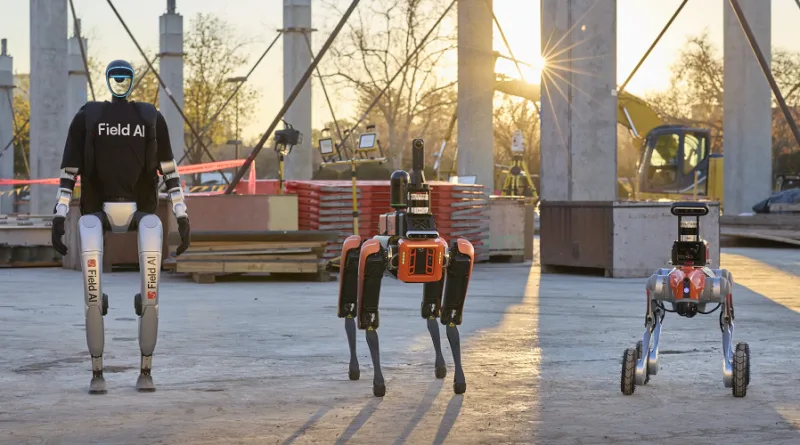
FieldAI Seeks $700M at $10B Valuation as Robot AI Demand Accelerates
The robotics AI startup is in advanced fundraising talks that would quintuple its valuation from last year, according to sources familiar with the matter.
Tech hiring slows even as employers post record open positions
A surge in IT job listings to three-year highs masks a contraction in actual hiring, with technology sector roles declining and unemployment ticking upward.