When Co-CEOs Work—and When They Don't
A veteran operator reconsiders whether dual leadership at the top is fundamentally flawed or simply misapplied. The answer depends entirely on the founders' motivations.
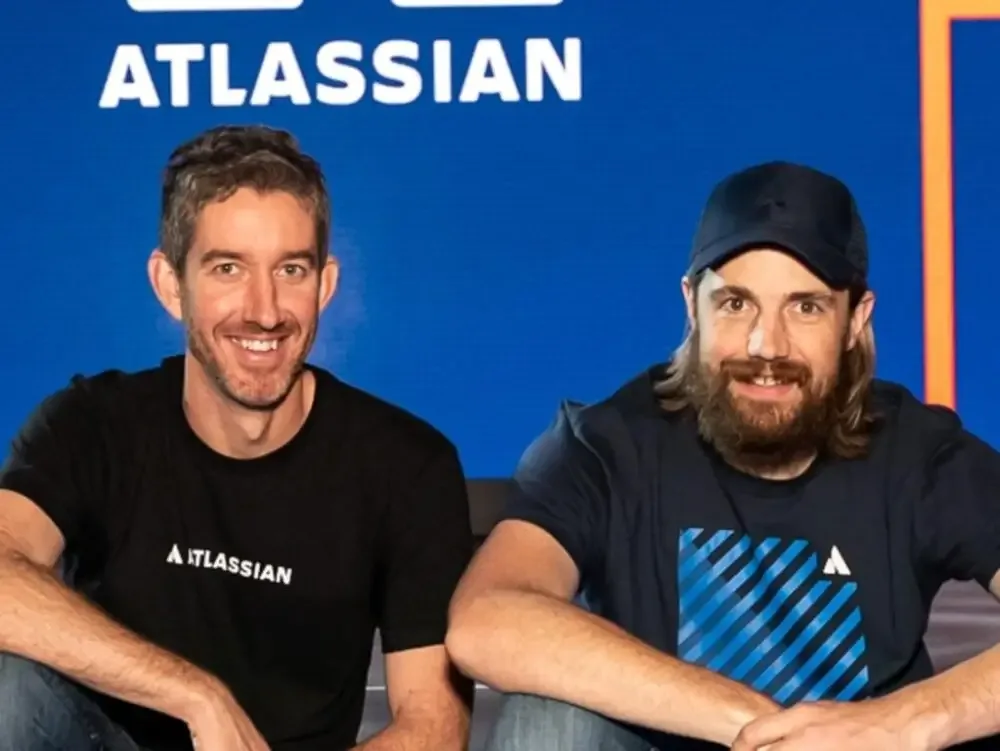
Jason Lemkin's perspective on co-CEO arrangements has shifted considerably. What he once dismissed as nearly always problematic now seems more nuanced: the structure itself isn't the issue—the reasons behind it are.
The Clear Downsides
The liabilities of splitting the chief executive role remain substantial and well-documented:
- Organizational ambiguity about authority. Staff struggle to identify who holds final decision-making power.
- Ego-driven complications. Co-founders may use the arrangement to sidestep difficult conversations about ultimate leadership.
- Conflicting directives. When one co-CEO instructs the team one way and the other instructs them differently, confusion multiplies.
Lemkin's own experience in a two-founder-equals setup confirmed this friction. He frequently found himself uncertain about his actual reporting line.
Why It Can Actually Work
Yet the model isn't inherently broken. When co-founders operate as genuine partners—committed for the long haul, mutually respectful, and genuinely willing to share the burdens of the role—the structure unlocks distinct advantages:
- Doubled customer and partner access. Two CEOs can cover twice the ground, effectively multiplying the company's external presence.
- Continuous leadership presence. One co-CEO can manage day-to-day operations while the other travels or takes time off, reducing the isolation of solo leadership.
- Faster decision velocity. When both leaders trust each other deeply, decisions can move through the organization without the bottleneck of a single gatekeeper.
- Specialized focus across product lines. Each co-CEO can own distinct business units or product areas, as demonstrated by companies like Atlassian and Salesforce.
- Multiple voices for bold bets. Transformative innovation requires executive sponsorship; two co-CEOs with equal authority can champion more ambitious initiatives.
Atlassian has sustained this model for over two decades. Monday.com operates under co-CEO leadership. Salesforce and Oracle have both benefited from the arrangement, at least during certain periods.
The Deciding Factor
The critical question isn't whether co-CEOs can work in theory—it's whether the founders are pursuing the arrangement for the right reasons. If the motivation stems from genuine operational synergy and mutual commitment, the model can thrive. If it's rooted in ego protection or avoidance of a difficult conversation about hierarchy, it will fail. In most cases, a single CEO remains the simpler, more effective choice.
Read more

Spotify Founder's Health Screening Startup Neko Brings Preventative Medicine to the U.S.
The body-scanning company co-founded by David Ek has arrived in New York with a 300,000-person waitlist and backing from nearly $1 billion in funding.

FieldAI Seeks $700M at $10B Valuation as Robot AI Demand Accelerates
The robotics AI startup is in advanced fundraising talks that would quintuple its valuation from last year, according to sources familiar with the matter.

Tech hiring slows even as employers post record open positions
A surge in IT job listings to three-year highs masks a contraction in actual hiring, with technology sector roles declining and unemployment ticking upward.