Veteran Founders Bet Big on Offline Connection as a Business
Entrepreneurs who have already sold companies to major acquirers are launching new ventures centered on bringing people together in physical spaces, from gaming tables to craft schools.
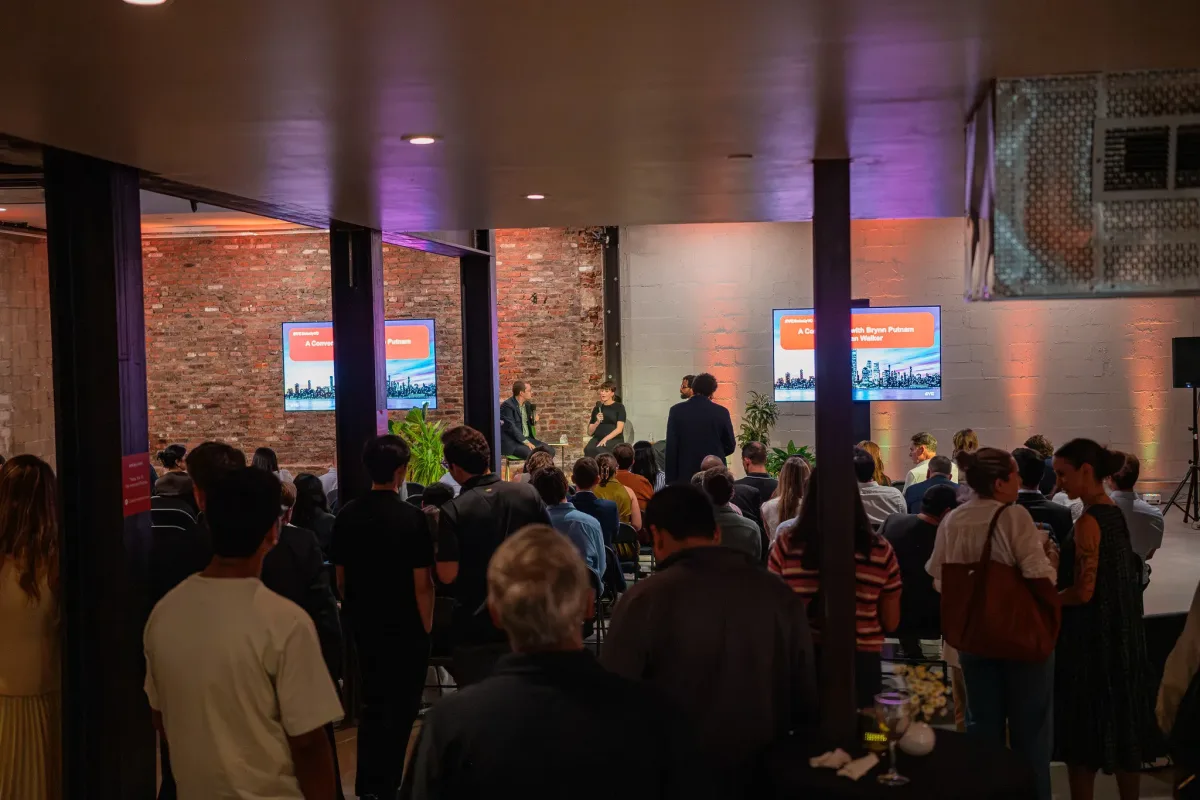
Several accomplished founders have moved on to their next ventures, and their latest bets reveal a striking pattern. Brynn Putnam, a former ballet dancer who built Mirror and sold it to Lululemon for $500 million in cash within three years, is now running Board, a 24-inch touchscreen table designed for group play with physical game pieces and gesture recognition. Tristan Walker, who created Walker & Company Brands and sold it to Procter & Gamble (reportedly for $20 million to $40 million), is now scaling Heirloom, a collection of fine-craft trade schools beginning with a leatherworking academy in San Francisco that was founded by Hermès's first American artisan-ambassador. Walker also oversees Collaborative Holdings, a fund from Collaborative Fund designed to support profitable, self-sustaining founders without the pressure of venture-style returns.
What connects these seemingly unrelated businesses is their shared mission: restoring in-person human connection in an increasingly digital world. Both founders have stepped away from corporate roles — Putnam left her position as general manager at Lululemon, while Walker departed Procter & Gamble after five years — to pursue this vision. Though a gaming console and a craft school appear to have little in common, both represent a deliberate move away from the isolation that technology has created.
The timing aligns with growing recognition of loneliness as a societal issue. In June of the previous year, the World Health Organization's Commission on Social Connection formally classified loneliness as a defining global health challenge, with estimates suggesting one in six people worldwide are affected and the condition linked to roughly 870,000 deaths annually. Consumer behavior also reflects this shift: a Harris Poll survey sponsored by Marriott Bonvoy found that two-thirds of Americans prioritized experiences like travel over material purchases, and the same proportion felt that retail shopping had become too generic, with all stores looking identical.
East Coast entrepreneurs appear to be leading this movement. Beyond Putnam and Walker, other founders pursuing connection-focused businesses include Andy Dunn, founder of Bonobos, whose company Pie has evolved from a friend-matching app into what he describes as a "social life operating system" anchored by "Community Homes" — permanent digital hubs for recurring social groups like run clubs or watch parties. Audrey Gelman, whose previous venture the Wing brought women together before closing during the pandemic amid workplace equity concerns, is now operating the Six Bells Countryside Inn, an 11-room guesthouse in the Hudson Valley that hosts monthly murder-mystery dinners where actors mingle with guests, creating an atmosphere so engaging that visitors frequently stay in the bar past midnight exchanging contact information with strangers.
Putnam explained her thinking at a recent StrictlyVC event in New York's West Village. Mirror emerged from her personal circumstances — she was pregnant, managing brick-and-mortar studios, and seeking to bring that experience into the home through technology focused on "myself, my body, my fitness, my reflection." Board represents the inverse approach. Now a mother of five in a blended family that expanded from three to seven people, Putnam encountered a persistent gap in the market: no product allowed people of vastly different ages and abilities to play together. She framed the shift as follows: "How can we use tech to create a shared experience?" Rather than abandoning digital tools entirely, she sought to "use tech to bring people together rather than take them apart."
Board's design reflects this philosophy. The touchscreen recognizes physical objects placed on its surface — a spaceship triggers an action, a knife performs a cut — eliminating the need for traditional controllers with buttons and joysticks. This approach allows a child and a grandparent to engage with the same game without facing different learning curves.
Walker's motivation stems from concerns about artificial intelligence's impact on work and community. He founded Heirloom because he worried about AI "stealing knowledge work" and isolating people from one another. His vision centers on reversing what he sees as a 50-year American trend: the breakdown of master-to-apprentice transmission in fields like leatherworking, watchmaking, and fragrance design. Production was offshored, manual skills lost prestige, and apprenticeships became viewed as fallback options for those unable to attend four-year colleges. Walker presented data suggesting that roughly half of Gen Z and Gen Alpha reject traditional four-year degrees entirely. At Heirloom's San Francisco location, more than half of current capacity is occupied not by career-changers or retirees but by young tech workers seeking what Walker calls a "phones-down creative outlet."
Funding levels for these ventures remain modest by venture standards. Board has raised $35 million over three years. Pie has secured $24 million. Six Bells has raised approximately $3.8 million. Heirloom, launched 11 months prior, has not disclosed its funding amount. The notable exception is Flow, the residential real estate venture from WeWork co-founder Adam Neumann, which has raised over $450 million, primarily from Andreessen Horowitz, surpassing the combined totals of all other founders mentioned.
Whether "togetherness" emerges as a distinct investment category remains uncertain. Encouraging strangers to gather for shared experiences, while socially beneficial, lacks the scalability of software distribution. What stands out is the caliber of founders pursuing this direction: Putnam, Walker, Dunn, Gelman, and Neumann have each built and sold successful companies previously. This track record facilitates fundraising and provides investors confidence that these are operators capable of building products people will actually purchase. Each has demonstrated an ability to anticipate market direction. The coming year or two will reveal whether sufficient customer demand materializes to validate this latest bet.
Read more

Spotify Founder's Health Screening Startup Neko Brings Preventative Medicine to the U.S.
The body-scanning company co-founded by David Ek has arrived in New York with a 300,000-person waitlist and backing from nearly $1 billion in funding.
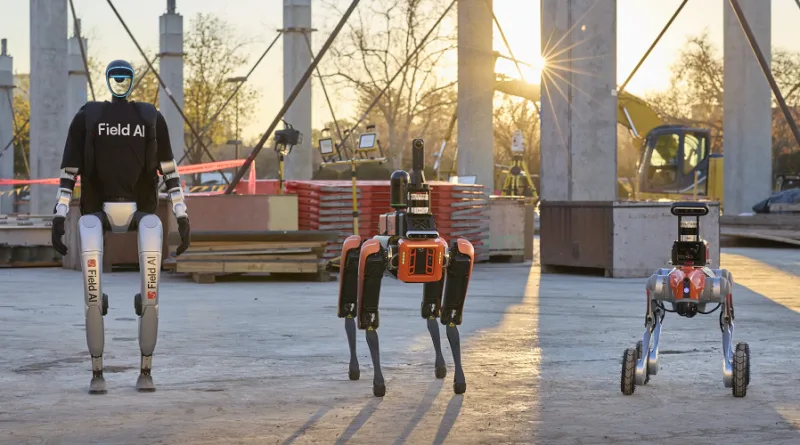
FieldAI Seeks $700M at $10B Valuation as Robot AI Demand Accelerates
The robotics AI startup is in advanced fundraising talks that would quintuple its valuation from last year, according to sources familiar with the matter.
Tech hiring slows even as employers post record open positions
A surge in IT job listings to three-year highs masks a contraction in actual hiring, with technology sector roles declining and unemployment ticking upward.