Tesla Veterans Secure $12.5M to Automate Supply Chain Decisions
Atomic, a supply chain optimization startup founded by ex-Tesla engineers, has raised Series A funding to expand its AI-powered inventory management platform, which now serves major customers like DoorDash and HelloFresh.
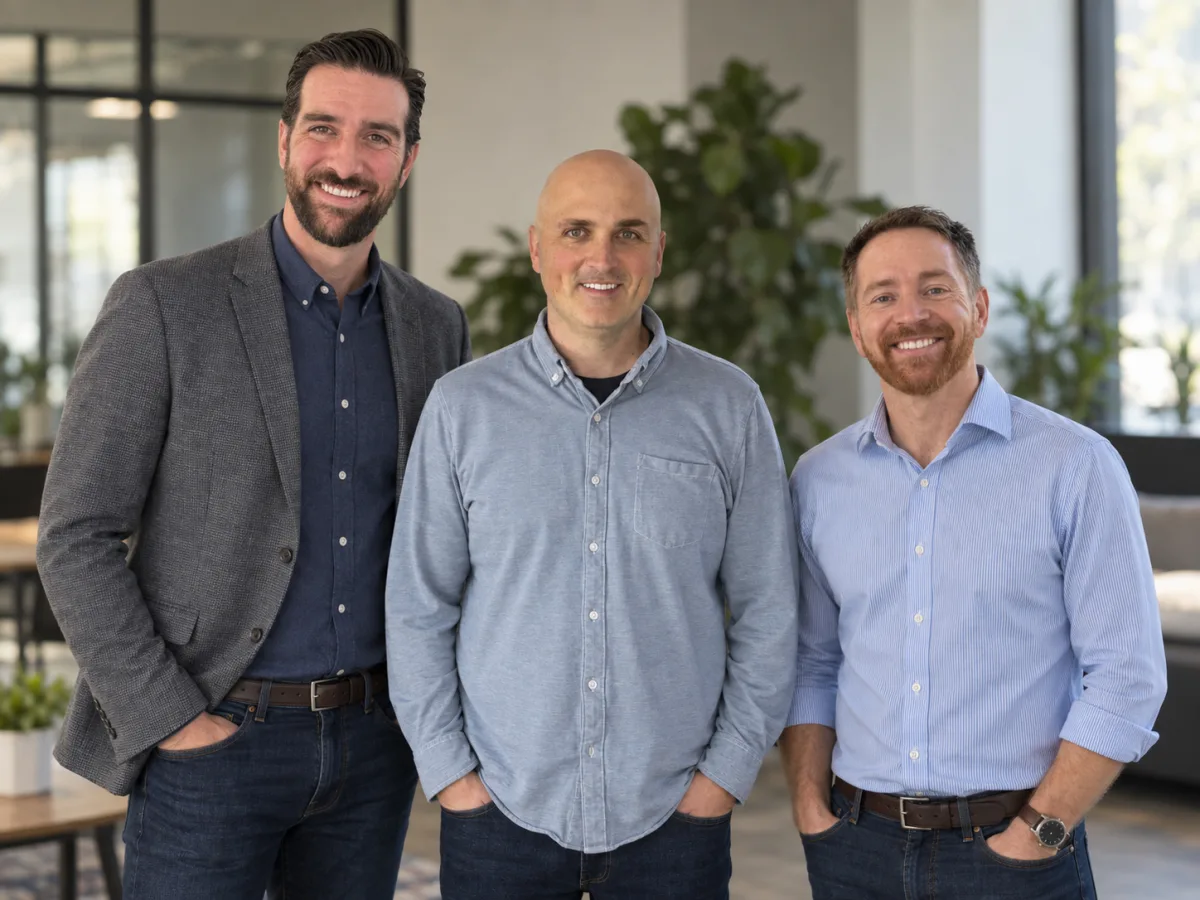
Boston-based Atomic emerged from stealth last year with a team of former Tesla employees who aimed to leverage their automotive experience to transform how companies manage inventory and improve profitability. The startup's core function involves determining optimal inventory levels and locations by running simulations and either recommending actions or executing them autonomously.
The company's founding concept originated during Tesla's 2018 Model 3 production ramp, when the automaker's internal spreadsheet systems proved inadequate for the pace of planning changes required. Atomic's co-founders Michael Rossiter and Neal Suidan built an early prototype of this system to address that challenge.
Since going public with their work, Atomic has converted pilot engagements into production deployments with major enterprises, including DoorDash and HelloFresh. The company's annual recurring revenue has grown fivefold since the start of this year, according to Jon McNeill, former Tesla president and founder of DVx Ventures, where Atomic was incubated.
The Series A round totals $12.5 million, bringing cumulative funding to approximately $15 million. Growth equity firm Klass Capital and Seattle-based Madrona Venture Group led the investment. The company also appointed Jeff Goodrich, who previously directed planning operations at Tesla, as CTO and third co-founder.
If you think about running a supply chain, running an operating model, it's like an infinite search space for optimization that you're trying to figure out all the decisions you could make at any given time — and then it changes all the time too. AI can play the role of finding all of the best paths through that forest.
Michael Rossiter, Atomic CEO
From Recommendations to Autonomous Operations
Atomic's platform has evolved beyond providing optimization suggestions to making purchasing decisions independently. According to McNeill, who sits on Atomic's board, DoorDash operates approximately 90% of its purchasing decisions across hundreds of locations through the platform.
The company has transitioned from pilot customers into real customers, and by real customers, it's DoorDash-scale customers. The product has evolved from being an optimization platform that gives recommendations to a platform that not only gives recommendations but it makes decisions, so it's fully autonomous in that sense, and so DoorDash is running, I think, 90% of its purchasing across hundreds of sites.
Jon McNeill, Atomic board member
For food delivery and restaurant supply operations, Atomic's software reduces waste and spoilage. Different industries present distinct operational requirements, though Rossiter emphasized the platform's adaptability.
The cool thing about Atomic is it's a general model of how you think about supply chains and operating models, and so no matter what that system looks like, our AI can can adapt to it and tailor fit it. We're working with CPG [consumer packaged goods], we're going deep with mobility and manufacturing clients right now as well, and working that space, kind of going back to our Tesla roots.
Michael Rossiter
Speed as Competitive Advantage
Atomic's ability to build agentic software that works across industries attracted investor interest during the Series A process. Equally important was the company's capacity to onboard new customers rapidly and with minimal disruption.
McNeill described a board-level challenge to compress onboarding timelines and make customer activation seamless. Suidan, serving as chief product officer, led this effort by developing the AI's capacity to identify "decision rules" embedded in customer workflows, even when those rules existed only in practice rather than documentation.
Once customers recognized that Atomic could infer and execute their decision logic, they requested full autonomy. McNeill traced this insight back to Tesla's operational philosophy, where decision velocity became a differentiator.
Then customers were saying, 'Okay, then you might as well make the decision and free my time up.' And where executives, I think, kind of got it was — decision speed is an advantage in any business. And this was one of our first principles at Tesla. When I got to know Elon, he said the thing that will separate us from all of our competitors is decision speed, because decision speed compounds. Like, I make a decision today, I build on that decision tomorrow, et cetera, and it takes one of our competitors, like Ford or Toyota, 30 days to make the first decision.
Jon McNeill
Moving Operations Beyond Spreadsheets
Rossiter expressed enthusiasm about transitioning customers away from spreadsheet-based supply chain management toward sophisticated software platforms capable of supporting complex planning decisions. He noted that CFOs typically champion this modernization for financial functions, but operational teams lag behind in adopting similar tools.
Finance data always gets the priority. Operating data doesn't always get that.
Michael Rossiter
Read more

Spotify Founder's Health Screening Startup Neko Brings Preventative Medicine to the U.S.
The body-scanning company co-founded by David Ek has arrived in New York with a 300,000-person waitlist and backing from nearly $1 billion in funding.
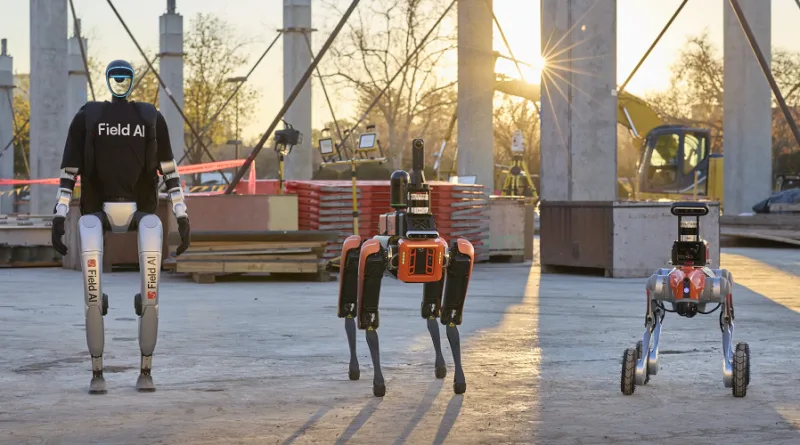
FieldAI Seeks $700M at $10B Valuation as Robot AI Demand Accelerates
The robotics AI startup is in advanced fundraising talks that would quintuple its valuation from last year, according to sources familiar with the matter.
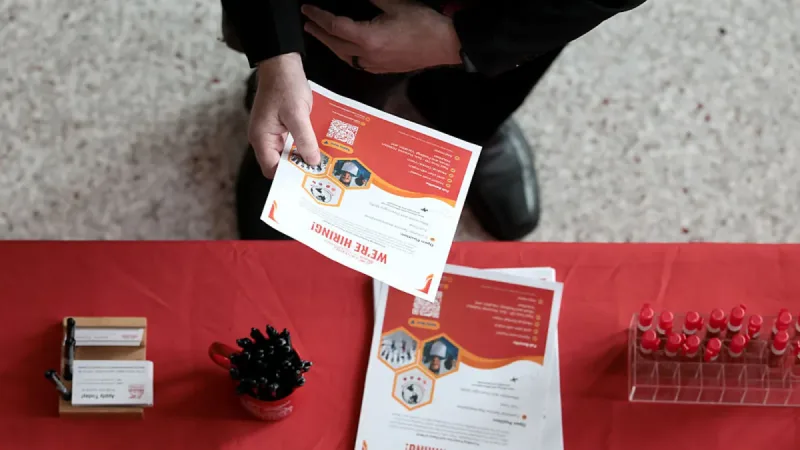
Tech hiring slows even as employers post record open positions
A surge in IT job listings to three-year highs masks a contraction in actual hiring, with technology sector roles declining and unemployment ticking upward.