SPAC Deals Stage a Comeback With Kodiak Robotics, Nuclear Startups Leading the Charge
After a bruising 2021 that left most SPAC mergers in ruins, blank-check companies are returning to the market with a fresh wave of deals in autonomous vehicles, biotech, and nuclear energy—but this time with more caution and fewer participants.
The SPAC route to public markets became synonymous with 2021's bull market exuberance. Numerous emerging companies bypassed traditional IPOs by merging with publicly traded shell corporations instead. Yet the track record proved disappointing across sectors ranging from micro-mobility to self-driving cars, genetic testing, and controlled-environment agriculture. The string of failures tarnished the SPAC brand considerably.
Reports of the SPAC market's demise may have been premature. Recent weeks have brought announcements of fresh blank-check mergers targeting sectors including digital assets, autonomous vehicles, and atomic energy—suggesting the format is experiencing a revival.
Meet the new SPACs
The emerging deals carry substantial valuations.
Kodiak Robotics, a Silicon Valley firm specializing in autonomous truck technology, made headlines fourteen days ago when it disclosed merger plans with a SPAC at a pre-money valuation of approximately $2.5 billion.
Other significant announcements from the past several weeks include:
- Veraxa Biotech, which develops cancer treatments, revealed last week its intention to combine with a biotech-oriented SPAC at a pre-money equity valuation of $1.3 billion.
- Twenty One Capital, a newly formed venture jointly owned by Tether and Bitfinex dedicated to Bitcoin accumulation, will unite with a blank-check entity at a stated pro-forma enterprise value of $3.6 billion.
- Two atomic energy firms announced SPAC transactions. Terra Innovatum, which creates small-scale modular nuclear reactors, disclosed last week a planned merger valued at $475 million in pre-money equity. Terrestrial Energy, developing molten salt reactor-based nuclear facilities, announced an earlier deal at $925 million in pre-money equity value.
Different times
The landscape has shifted substantially since the previous SPAC wave. Investor sentiment has grown more cautious following previous disappointments.
It won't be a repeat of 2021. Expect fewer moonshots and more discipline, both in deal size and execution.
Kristi Marvin, founder and CEO of SPACInsider
According to Marvin, the roster of SPAC sponsors has contracted. Entities currently launching blank-check vehicles tend to be established operators with stronger credentials.
The supply of newly public technology enterprises has also diminished markedly. Because the tech startup IPO pipeline remains largely dormant, institutional investors face scarce options for gaining exposure to cutting-edge growth sectors.
Volatile times, too
Transaction participants are navigating exceptionally turbulent market conditions, with tariff-related uncertainty triggering significant swings across major benchmarks. Downward movements have outpaced upward ones recently, with the technology-focused Nasdaq Composite Index approximately 15% below its December peak.
Several high-valued companies preparing to enter public markets have postponed their launches in recent weeks, including buy-now-pay-later provider Klarna and event ticketing platform StubHub.
When market dynamics shift rapidly, the SPAC structure offers a potential benefit: target companies require less preparation and lead time. This reduces exposure to the risk of building financial projections around assumptions that become obsolete when unexpected developments, such as fresh tariff policies, alter the outlook.
Nonetheless, companies pursuing public status today encounter an investment climate characterized by unpredictability. The challenge intensifies for newer enterprises without established patterns of stable earnings and revenue growth.
Though SPAC sponsors are refining their approach this cycle, the sector's history of dramatic stock movements remains difficult to overlook. Regrettably, these movements have typically favored declines over advances.
Read more

Spotify Founder's Health Screening Startup Neko Brings Preventative Medicine to the U.S.
The body-scanning company co-founded by David Ek has arrived in New York with a 300,000-person waitlist and backing from nearly $1 billion in funding.
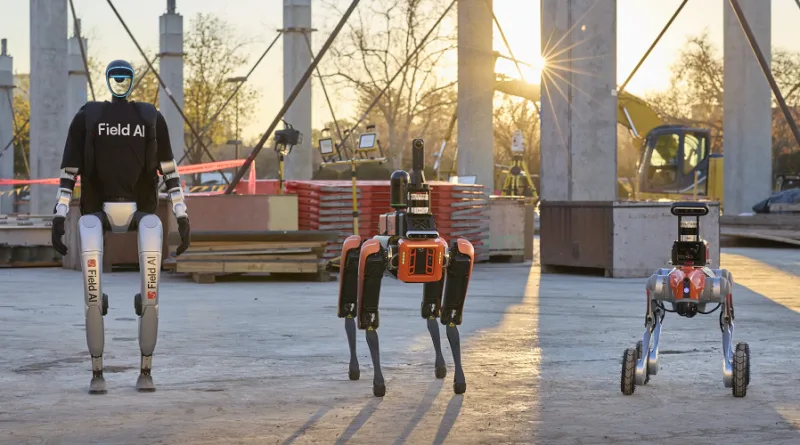
FieldAI Seeks $700M at $10B Valuation as Robot AI Demand Accelerates
The robotics AI startup is in advanced fundraising talks that would quintuple its valuation from last year, according to sources familiar with the matter.

Tech hiring slows even as employers post record open positions
A surge in IT job listings to three-year highs masks a contraction in actual hiring, with technology sector roles declining and unemployment ticking upward.