Google Veterans Launch $11.3M Fund Betting on AI Startups With Real Enterprise Revenue
BAG Ventures, founded by two former Google executives, is backing early-stage AI companies that solve concrete business problems rather than experimental tools. The fund targets startups with proven unit economics and deep integration into enterprise workflows.
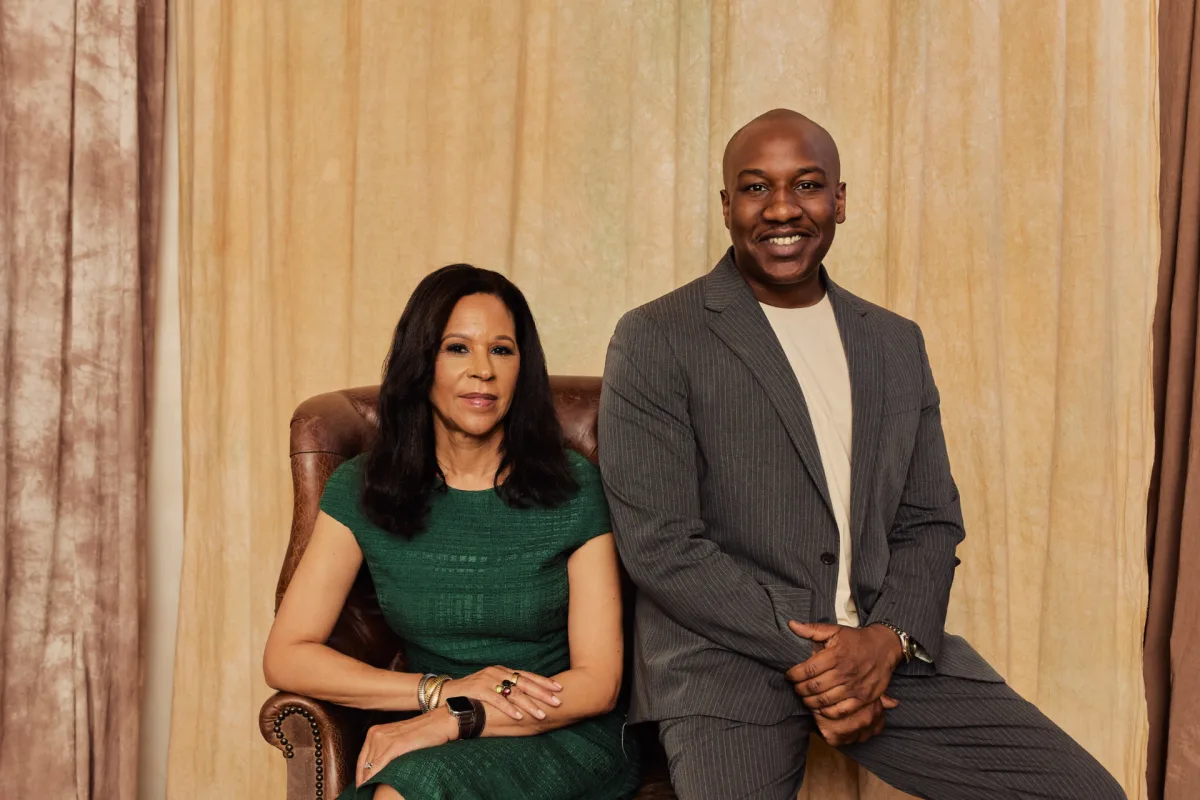
A newly closed $11.3 million venture fund is placing its bet on a fundamental shift in how enterprises purchase artificial intelligence. BAG Ventures, established by Bonita Stewart and Jackson Georges Jr.—both veterans of Google and its investment arms—has already deployed capital across 10 portfolio companies and is wagering that the era of open-ended AI experimentation is waning.
Stewart spent 17 years at Google, where she held the rank of vice president for nearly a decade and served on the board of Gradient Ventures, the company's early-stage AI fund. She also holds limited partner status in the Female Founders Fund and the Operator Collective. Georges previously worked at GE Healthcare before joining Google, where the two met. He later became a partner at CapitalG, Alphabet's growth-stage investment vehicle. Both founders participated in the inaugural cohort of the Black Venture Institute at Berkeley and previously co-led BAG Collective, an angel syndicate with more than 450 members.
The fund focuses on early-stage companies working in AI infrastructure, compute, physical and edge AI, security, governance, and vertical SaaS applications. Individual checks range from $100,000 to $500,000, with the team planning to deploy the remainder of the fund over a 24-month period. Portfolio companies include SXD, a software platform; BizTrip, an AI travel agent; and Nomadic, a reasoning platform built around agentic systems.
According to Georges, the firm's competitive advantage lies in its network and operational depth. He explained the original motivation: "Founders needed inside access to the organizations they wanted to sell into, and we knew so many high-level operators who wanted to support early founders but didn't know how." The fund's limited partner base exceeds 150 investors, including Google and senior executives from Nvidia, Amazon, and Snowflake.
Georges articulated a thesis about changing enterprise purchasing patterns. "The 'experimental sandbox' phase is ending," he stated. "Enterprises are dialing in heavily on the unit economics right now. They aren't just paying for open-ended chatbots anymore; they are paying for deterministic solutions. The real value is coming from solutions that integrate deeply into legacy workflows and actually execute the work." He pointed to code review automation and legal document parsing as examples of the kinds of solutions gaining traction.
The fund's investment criteria reflect this worldview. BAG Ventures prioritizes founding teams with prior working relationships, a minimum viable product, at least one enterprise customer, and "a very clear path to monetization within 24 hours." The firm also seeks companies that embed themselves deeply into customer workflows and accumulate proprietary data that cannot be easily replicated or extracted.
Georges emphasized the vulnerability of startups that merely wrap frontier model APIs. "If a startup is just a thin wrapper around a frontier model API, they're going to get wiped out," he said. "We want companies that own the intent layer and have the customer lock-in to survive the next big model release." As large AI labs continue launching their own products, technical soundness alone will not ensure survival without defensible competitive advantages.
The fund is also targeting startups serving highly regulated industries where data privacy and compliance requirements create specialized opportunities. Georges noted that this sector demands "securing internal data flows, building acceptable-use guardrails, and deploying continuous automated red-teaming." The portfolio company Defendremate exemplifies this approach.
Looking ahead, Georges identified another emerging category: identity and access management tools for non-human workers. "Startups that can build the next level of 'zero trust' architecture and orchestration rails specifically for agentic systems are going to fill a massive and very lucrative gap," he said. This infrastructure layer will become essential as enterprises deploy multi-agent workflows to handle complex business processes.
Georges summed up the firm's approach to founder support: "We don't just give founders capital; we give them direct warm introductions to potential customers and hands-on [go-to-market] advice." While many venture firms maintain operator networks, he added, "We want to be one that's genuinely useful."
Read more

Spotify Founder's Health Screening Startup Neko Brings Preventative Medicine to the U.S.
The body-scanning company co-founded by David Ek has arrived in New York with a 300,000-person waitlist and backing from nearly $1 billion in funding.
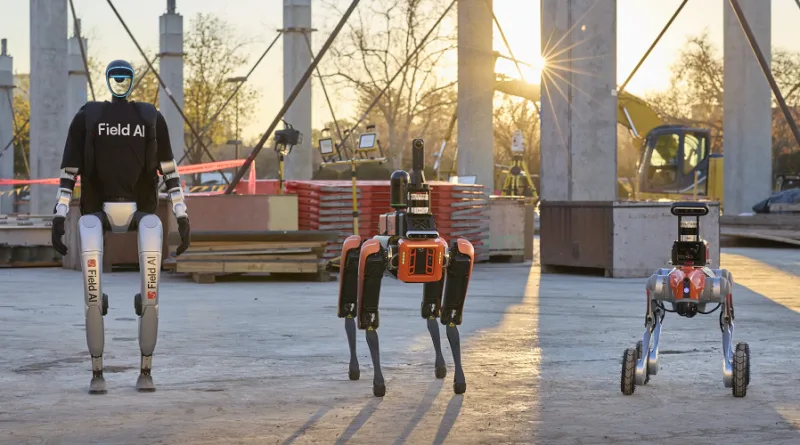
FieldAI Seeks $700M at $10B Valuation as Robot AI Demand Accelerates
The robotics AI startup is in advanced fundraising talks that would quintuple its valuation from last year, according to sources familiar with the matter.

Tech hiring slows even as employers post record open positions
A surge in IT job listings to three-year highs masks a contraction in actual hiring, with technology sector roles declining and unemployment ticking upward.