AWS Secures Exclusive OpenAI Frontier Deal, Reshaping Enterprise AI Competition
Amazon's $50 billion investment in OpenAI and exclusive cloud distribution rights for Frontier position the tech giant as a formidable player in enterprise agentic AI deployment.
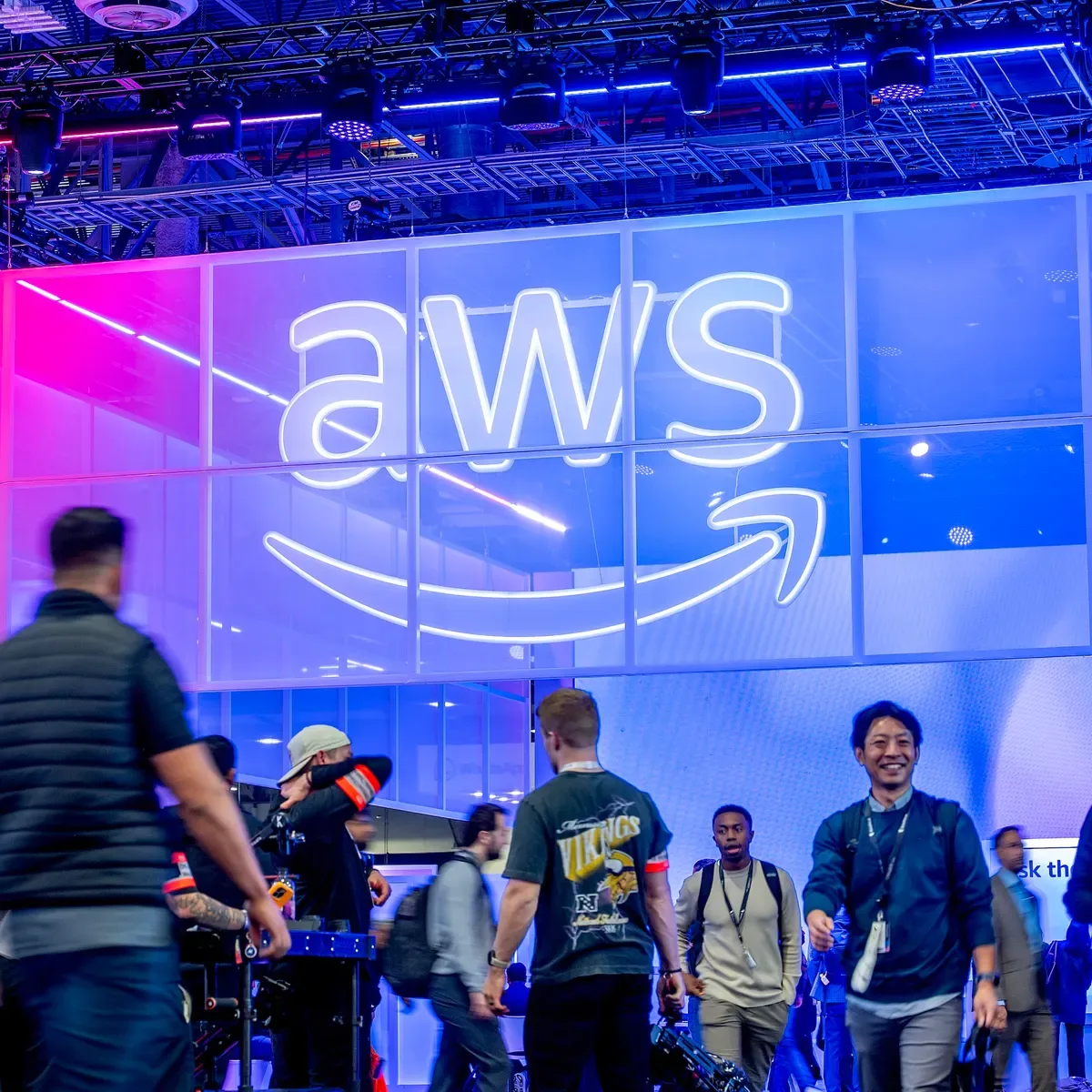
A newly announced multiyear collaboration between OpenAI and AWS, disclosed on Friday, strengthens the cloud provider's standing as a key infrastructure partner for organizations pursuing agentic AI initiatives. The arrangement includes a $50 billion commitment from Amazon to the AI company, designed to fuel enterprise-focused AI development. Separately, OpenAI announced $60 billion in fresh capital from SoftBank and Nvidia, bringing total new funding to $110 billion.
Under the partnership terms, AWS becomes the sole cloud distributor for OpenAI Frontier, an enterprise-grade system for constructing and operating AI agents that debuted this month. The two companies will jointly develop a Stateful Runtime Environment leveraging OpenAI's models, accessible via Amazon Bedrock—AWS's service offering programmatic access to foundation models. This environment enables engineers to "build generative AI applications and agents at production scale," per the official announcement.
The new system preserves context from prior interactions and manages continuous projects and operational flows. Rollout is anticipated within the coming months, with integration into Amazon Bedrock AgentCore ensuring that customer-built AI systems function seamlessly alongside other AWS infrastructure components, the announcement noted.
According to Gartner Distinguished VP Analyst Jason Wong, "This move clearly puts AWS as a cloud platform back in the conversation for AI with OpenAI's Frontier capabilities and also its own Bedrock AgentCore tools and all the additional services they're building on top of it."
Implications for Chief Information Officers
As enterprises work to integrate AI capabilities throughout their operations, technology leaders have increasingly scrutinized offerings from major cloud vendors. The leading cloud infrastructure providers have leveraged their existing customer bases to rapidly broaden their AI service portfolios.
Wong characterized AWS's exclusive arrangement for OpenAI Frontier as a "gamechanger" in the competitive cloud landscape. Last year, Microsoft and OpenAI restructured their relationship, with Microsoft retaining a 27% ownership stake while both parties gained the ability to forge partnerships and build AI solutions with external organizations.
Although Microsoft retains exclusive access to OpenAI model APIs, the Frontier technology suite encompasses governance, identity administration, observability capabilities, and agent context management—all critical components enterprises require, Wong explained.
Wong further noted, "The ability for AWS to claim exclusivity on this layer, on top of Bedrock, with their own technology — AgentCore — supporting it as well, is a significant advantage in the enterprise. CIOs really need to consider how AWS could become a strategic platform for agentic AI in this combination."
The collaboration strengthens AWS's competitive standing against Microsoft Azure and Google Cloud in the AI arena, according to Forrester Principal Analyst Lee Sustar. Current market share data from Synergy Research Group shows Amazon commanding 28% of the cloud infrastructure market, followed by Microsoft at 21% and Google at 14%.
The partnership also positions AWS to challenge Nvidia's dominance in AI infrastructure. AWS is expanding its existing $38 billion multiyear agreement with OpenAI by an additional $100 billion over eight years. As part of this arrangement, OpenAI commits to utilizing 2 gigawatts of AWS Trainium3 and Trainium4 chip capacity through AWS infrastructure to power the Stateful Runtime Environment, Frontier, and other demanding workloads, according to the announcement.
The arrangement grants OpenAI assured long-term compute resources "while working with AWS to deploy purpose-built silicon alongside its broader compute ecosystem," per the release.
Sustar observed that "The wider $100 billion deal that involves running OpenAI on AWS' Trainium chips helps fund Amazon's long-term effort to build a rival GPU ecosystem alternative to Nvidia."
Read more

Spotify Founder's Health Screening Startup Neko Brings Preventative Medicine to the U.S.
The body-scanning company co-founded by David Ek has arrived in New York with a 300,000-person waitlist and backing from nearly $1 billion in funding.

FieldAI Seeks $700M at $10B Valuation as Robot AI Demand Accelerates
The robotics AI startup is in advanced fundraising talks that would quintuple its valuation from last year, according to sources familiar with the matter.

Tech hiring slows even as employers post record open positions
A surge in IT job listings to three-year highs masks a contraction in actual hiring, with technology sector roles declining and unemployment ticking upward.