Founders Face Expanding Choices on AI Models and Infrastructure at Disrupt 2026
As open models advance and frontier APIs evolve, AI startup founders are no longer locked into single-model decisions. TechCrunch Disrupt 2026 will explore how builders navigate multi-model architectures, ownership decisions, and the hardware layer underneath.
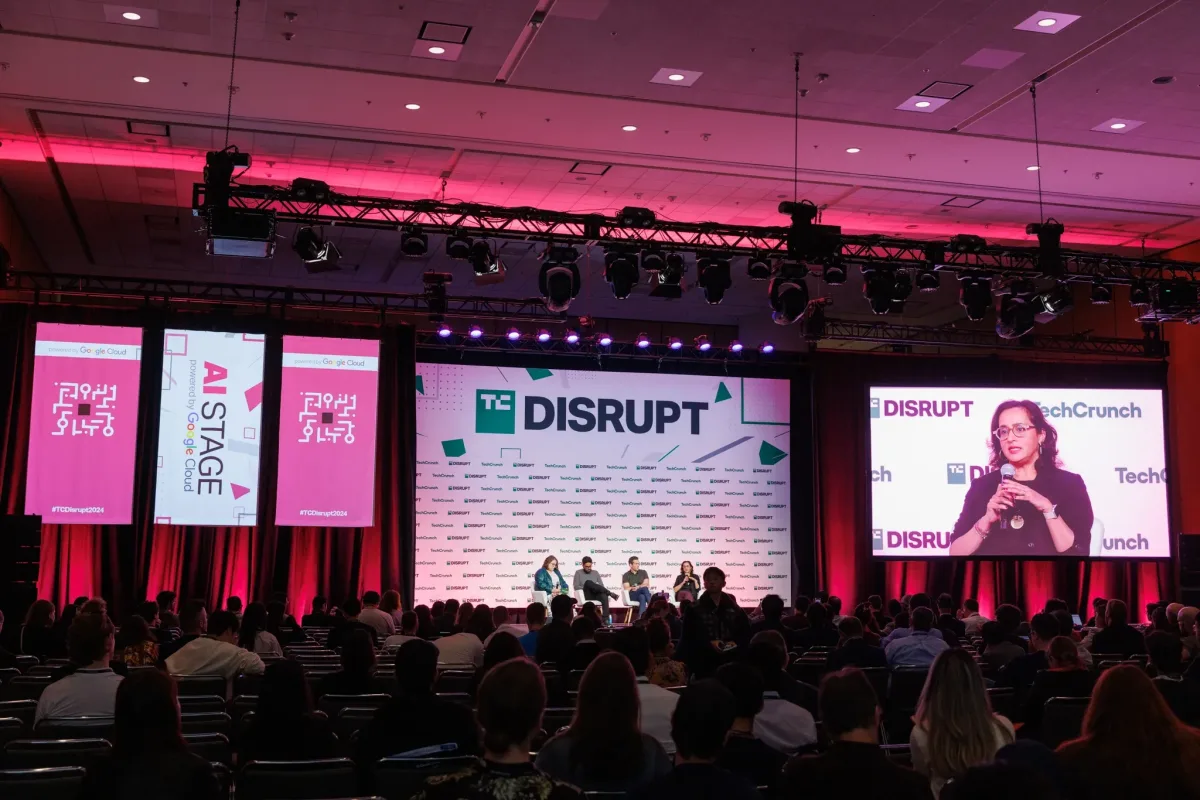
The landscape for AI startups has shifted dramatically. Rather than committing to a single model architecture, founders now face a range of options: open models that continue to improve, proprietary APIs that advance rapidly, customizable models for specific tasks, and hybrid approaches that blend multiple models into one product. This expanded toolkit creates both opportunity and complexity, forcing builders to make strategic decisions about capital allocation, technical ownership, and how much adaptability to preserve as the field evolves.
TechCrunch Disrupt 2026, running October 13-15 at Moscone West in San Francisco, will host over 200 sessions across six industry stages where founders, investors, and operators will examine these choices from multiple angles. The event expects more than 10,000 attendees, 250+ speakers, and 300+ exhibiting startups.
Building with multiple models
The assumption that companies must select a single model no longer holds. Increasingly, sophisticated AI products route different tasks to different models based on performance requirements, cost considerations, and specialized capabilities.
A session titled "The Real Tokenmaxxing: How the Best AI Companies Navigate a Multi-Model World" will bring together Mo Jomaa, partner at CapitalG; Vipul Ved Prakash, co-founder and CEO of Together AI; and Zuzanna Stamirowska, CEO and co-founder of Pathway. The discussion will examine why companies deploy multiple models, how they balance cost against performance and flexibility, and scenarios where open models can outperform proprietary ones.
For founders, the ability to mix models extends beyond technical performance. It influences operating expenses, shapes product roadmaps, and enables rapid adoption of superior models as they become available.
Deciding what to build versus what to rent
Model selection raises a deeper architectural question: which components of the AI stack should a company develop in-house?
Manos Koukoumidis, CEO and co-founder of Oumi, will present "Which AI Should Your Company Actually Deploy: Rent, Customize, or Build" on the Real World AI Stage. His session will address whether startups should develop proprietary models, when customizing open-weight models becomes a competitive moat, and how to evaluate frontier APIs against customized alternatives and fully owned systems.
Using audience participation, startup case studies, and a structured decision framework, Koukoumidis will offer three core principles for architecture decisions. The trade-offs are real: building more of the stack provides greater control and differentiation but demands more engineering talent, development time, and capital than relying on existing models.
Open versus proprietary: the enduring tension
For many startups, the fundamental choice remains between open and proprietary models, each with distinct advantages and constraints.
Nader Khalil, Director of Developer Tech at Nvidia, and Sydney Sykes, Global Head of VC Partnerships at Nvidia, will discuss "Building AI Startups Worth Betting On" on the Builders Stage. They will analyze what founders are selecting today, compare the trade-offs between frontier APIs and open-weight models, and examine how these decisions ripple through product strategy and long-term competitive positioning.
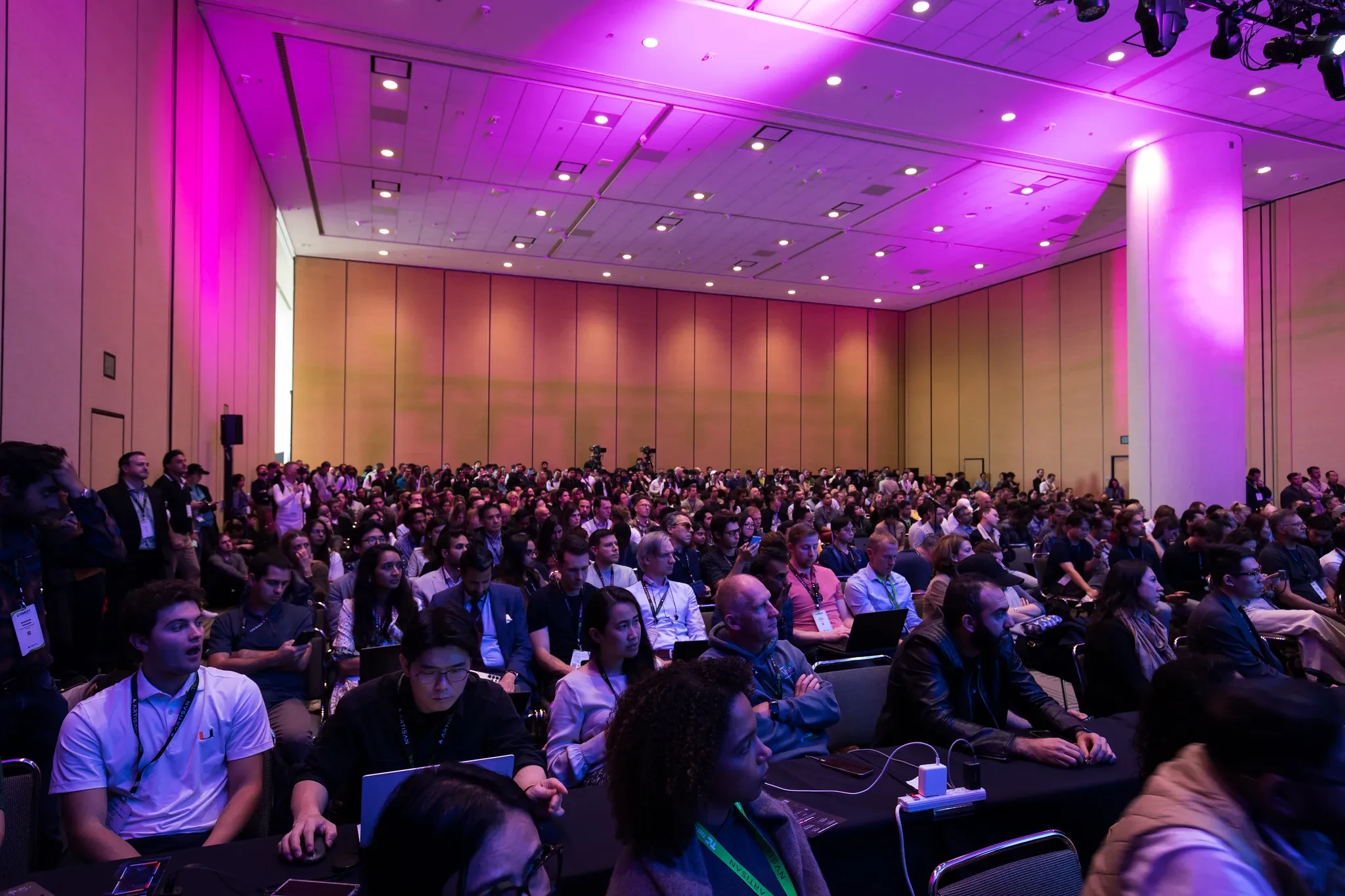
Model choice carries business weight. It determines infrastructure costs, shapes the degree of product control, and establishes where a startup can build defensible differentiation that competitors cannot easily replicate.
Hardware as part of the equation
Model design represents only one layer. AI performance ultimately depends on the silicon and hardware infrastructure beneath it, and the field is beginning to see hardware design itself shaped by AI optimization.
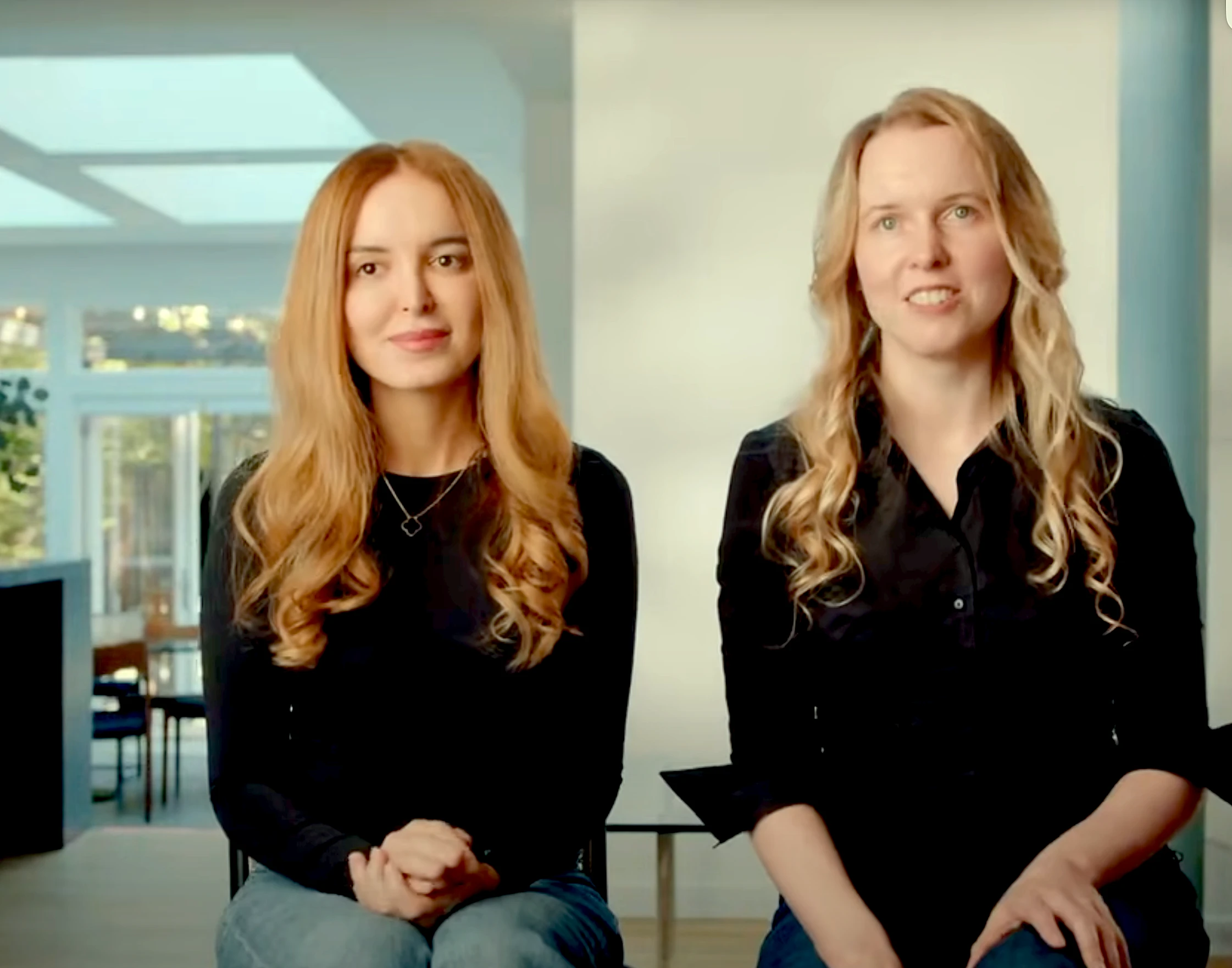
Anna Goldie, founder and CEO of Ricursive Intelligence, and Azalia Mirhoseini, founder and CTO, will take the Disrupt Stage for "When AI Starts Designing Its Own Hardware." The session will explore how AI optimizes chip and hardware design, why model architecture and hardware design are converging, and what an increasingly open AI ecosystem means for the infrastructure supporting startups.
For builders, the tightening relationship between AI and hardware affects time-to-market for new capabilities. Accelerated chip development cycles could expand the infrastructure options available to teams building next-generation AI products.
Flexibility as a strategic asset
A startup might deploy a frontier API today, transition to a customized open model tomorrow, or eventually distribute workloads across several models. Maintaining flexibility may prove as valuable as making the optimal choice in the present moment.
Beyond the four main sessions, Disrupt will offer matchmaking, dealmaking, and informal networking opportunities for attendees to connect with fellow founders, investors, potential partners, and other builders navigating similar technology and business decisions.
Read more

Equs Launches Personal AI Platform Where Users Own Their Data
Equs X pairs a personal AI assistant with private data storage that users control themselves, letting them grant or revoke file-by-file access to the model without surrendering ownership to a provider.
At Dreamforce, CIOs Grapple With Scaling AI Agents Responsibly
Nearly 44,000 attendees gathered at Dreamforce 2026 to discuss the enterprise AI agent boom—and the governance challenges that come with deploying thousands of autonomous systems across organizations.
Identity governance faces new test as AI agents proliferate across enterprises
Autonomous AI agents are forcing organizations to rethink how they manage access and permissions at machine speed. SailPoint's Navigate conference will explore how identity security must evolve to handle this expanding population of non-human actors.