At Dreamforce, CIOs Grapple With Scaling AI Agents Responsibly
Nearly 44,000 attendees gathered at Dreamforce 2026 to discuss the enterprise AI agent boom—and the governance challenges that come with deploying thousands of autonomous systems across organizations.
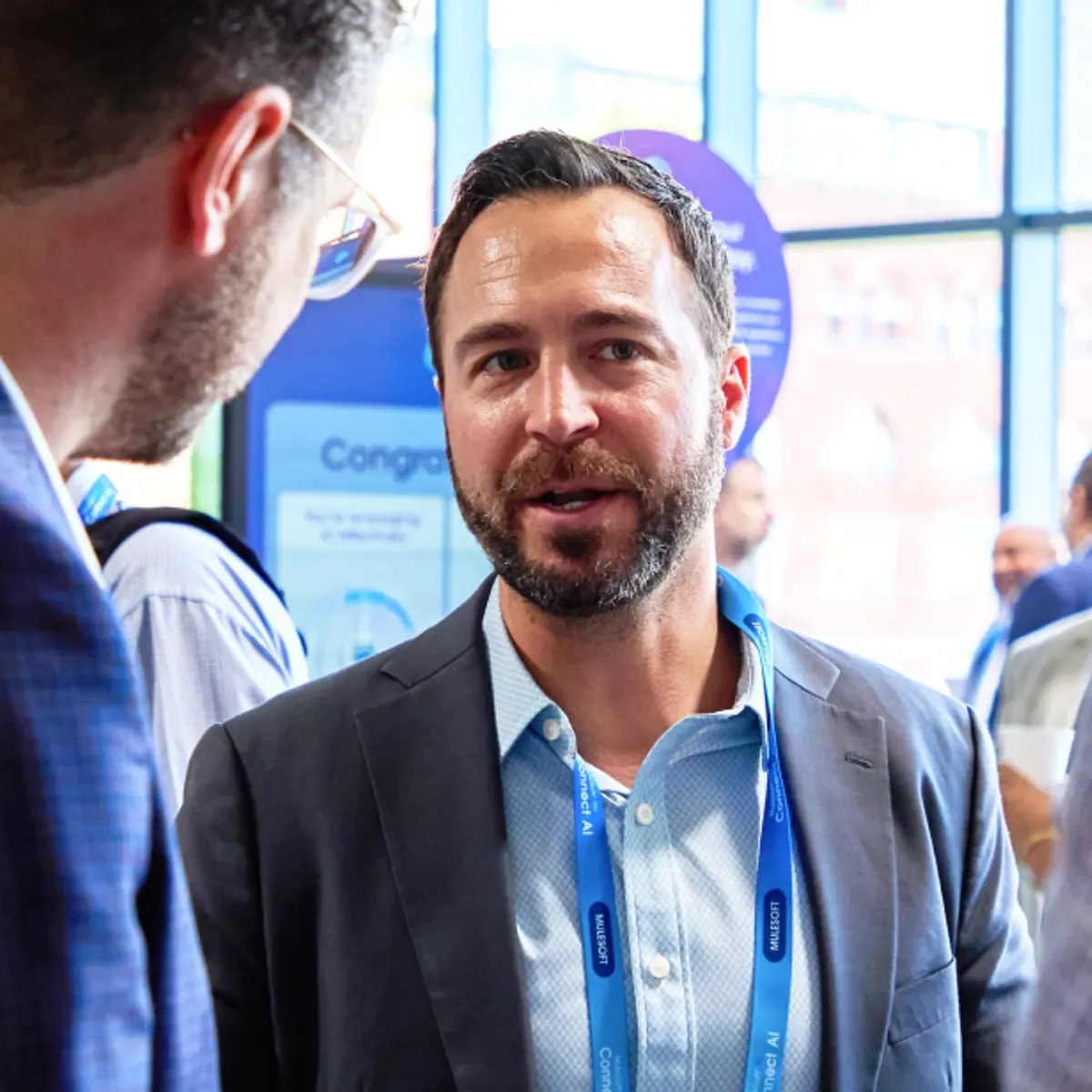
The rush to deploy AI agents is accelerating, but enterprise trust and control mechanisms are struggling to keep pace. Dreamforce 2026 brought together nearly 44,000 participants in San Francisco and millions more online, drawing CIOs from leading global corporations. A single concern cut across nearly every discussion: how to expand from a small number of AI agents operating today to potentially thousands within months, all while maintaining security, governance and business accountability.
The Governance Challenge
As agents multiply throughout organizations, questions about access control and permissions have moved to the top of IT leadership agendas. The operational puzzles are concrete: What level of system access should an agent receive? Should permissions mirror those granted to human staff members? How can organizations maintain human oversight when agent populations grow from dozens to potentially thousands?
The stakes are tangible. An unsupervised agent that communicates incorrectly with a customer or executes an unauthorized action can inflict real damage to business operations and reputation.
Yet the obstacles extend beyond technology infrastructure. Organizations must determine who owns responsibility for building and deploying these systems. How can enterprises foster innovation and experimentation without sacrificing control? And there is the matter of economics: building the oversight systems and training needed to keep spending in check, ensuring teams select appropriately-sized models rather than defaulting to the most resource-intensive options.
CIOs are addressing these challenges across three dimensions simultaneously: the underlying technology, the teams managing it, and the operational procedures connecting everything together.
The AI Harness Framework
Salesforce's keynote presentation introduced the AI Harness—an intermediary layer positioned between AI models and enterprise systems. This framework enables agents to operate with awareness of actual business conditions and constraints. The concept rests on a fundamental insight: AI models alone cannot manage enterprise operations. While models can examine data, develop strategies and generate content, they lack understanding of an organization's specific business context. A model understands what an order represents in abstract terms, but cannot know whether a particular customer has contacted the company multiple times this week or that a shipment is delayed in Italy. The AI Harness bridges this gap by connecting models to real business information and historical data, then linking them to agents and operational systems so they can take action on the organization's behalf while remaining subject to governance controls. The business impact materializes directly: agents move faster, drive revenue growth, improve customer satisfaction and reduce expenses without surrendering IT oversight.
This approach offers IT leaders reassurance because it does not require abandoning existing infrastructure. The AI Harness leverages components already embedded in most corporate IT environments—databases, software applications, business processes and governance frameworks—to support and guide AI operations. This foundation becomes increasingly critical as CIOs accelerate their AI initiatives.
Vendor Independence and Model Selection
A fourth priority emerged consistently throughout the conference: the importance of avoiding vendor lock-in. CIOs expressed strong preference for maintaining flexibility to select different AI models based on specific business requirements, both today and as the technology landscape shifts. Salesforce and NVIDIA jointly unveiled Koa, a CRM reasoning model purpose-built for Agentforce. The model helps agents work through intricate, sequential business processes and identify the appropriate tools needed to complete them. For IT leadership, this announcement underscores a key principle: expanding choices in how AI strategies develop without surrendering governance and control.
The Bottom Line
Agent deployment has transitioned from theoretical planning to immediate reality. The central question has evolved from exploring agent capabilities to managing thousands of agents while preserving organizational control.
The framework CIOs are adopting is not a plan to discard and rebuild existing systems. Rather, it combines the Enterprise AI Harness—pairing probabilistic agents with the deterministic CRM infrastructure, data repositories and governance mechanisms already in operation—alongside the ability to choose appropriate models as technology options expand.
The directive is straightforward: continue strengthening foundational systems, apply the same identity and access management discipline to agents as to human employees, and rely on CRM systems to enforce the operational rules that actually govern the business.
Read more
Identity governance faces new test as AI agents proliferate across enterprises
Autonomous AI agents are forcing organizations to rethink how they manage access and permissions at machine speed. SailPoint's Navigate conference will explore how identity security must evolve to handle this expanding population of non-human actors.
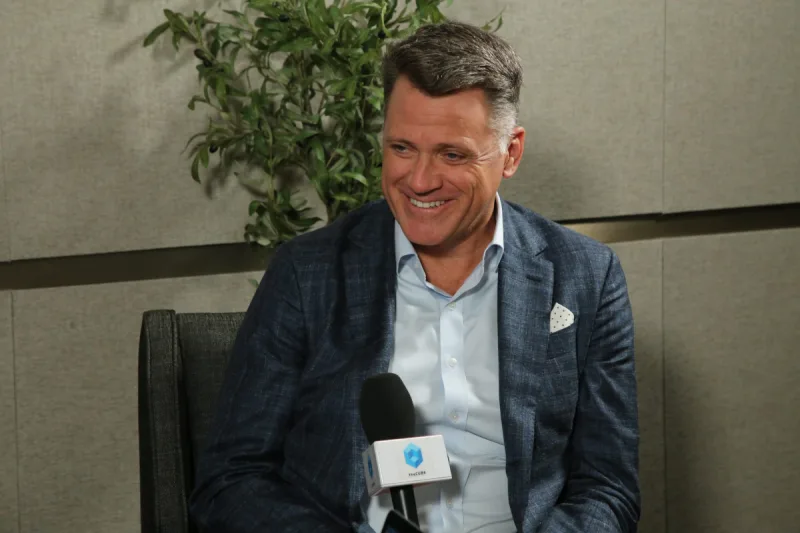
Vertical AI and Purpose-Built Hardware Drive Next Wave of Technology Growth
Specialized AI systems tailored to specific industries are emerging as the primary engine for the next phase of technology expansion, according to insights from the Bank of America Private Tech Trailblazers Conference 2026.
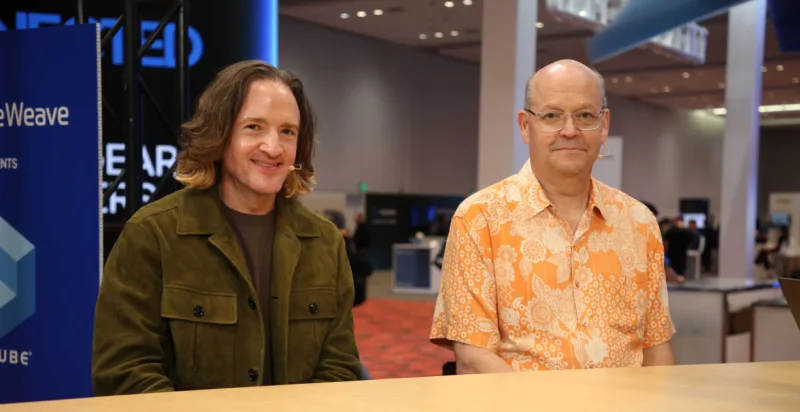
CrowdStrike and CoreWeave Partner to Automate AI Security at Machine Speed
As cyberattackers breach systems in seconds, CrowdStrike and CoreWeave are embedding automated defenses throughout AI infrastructure, turning attacks into training data for faster response.