Wabi Lands $55M for AI-Powered Group Chat Platform
The consumer AI assistant startup, founded by Replika's Eugenia Kuyda, has secured funding from IVP and a roster of prominent backers including Marc Benioff and Tobi Lütke.
Wabi Inc. has announced a $55 million funding round for its consumer-facing artificial intelligence assistant. The round was led by IVP, with backing from Amazon Alexa Fund, Andreessen Horowitz and Forerunner, alongside angel investors including Salesforce CEO Marc Benioff and Shopify CEO Tobi Lütke. The company now carries a valuation of $1.25 billion.
Founded last year by serial AI entrepreneur Eugenia Kuyda, Wabi is based in San Francisco. Kuyda previously launched Replika Inc., a consumer AI platform that had grown to more than 35 million users by November of last year. The startup has indicated it is experiencing "strong early demand" though has not disclosed specific user figures at this time.
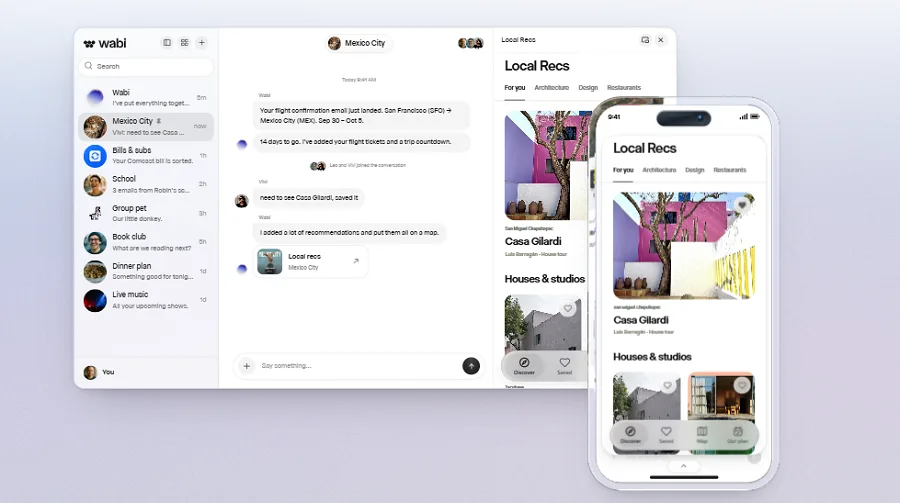
The platform operates across Mac, iOS and Android, centered on a group chat interface with an embedded AI assistant. When friends coordinate plans through the chat, the AI can identify nearby restaurants suited to their gathering, tailoring suggestions based on details like agreed-upon meeting times. The assistant also taps into data from connected applications to enhance its utility.
Through a Plaid integration, the service generates personal budgets and identifies unused subscriptions for cancellation. A Gmail connector enables alerts about critical messages. Beyond these features, the AI functions as a vibe coding tool, allowing users to build simple applications for task automation, event planning and to-do list management. The system can even generate basic two-dimensional games playable within the chat window.
A sidebar accompanies the chat interface, displaying widgets contextual to ongoing conversations. For a trip being planned, the sidebar might show flight times, while restaurant suggestions appear as vertically stacked cards with venue photos and descriptions.
We believe Wabi has the power to become an operating system for life, a place where your people, your tools, and your AI come together to help you do more of what matters
Eugenia Kuyda
Should Wabi gain significant consumer traction, established technology companies may introduce competing offerings. Such market pressure could push the startup to develop additional differentiation strategies. Some vibe coding startups have addressed this challenge by training proprietary AI models, distinguishing themselves from widely-used alternatives like OpenAI Group PBC's Codex.
Wabi intends to allocate the funding toward growth and product development. Near-term plans include releasing a Windows application.
Read more
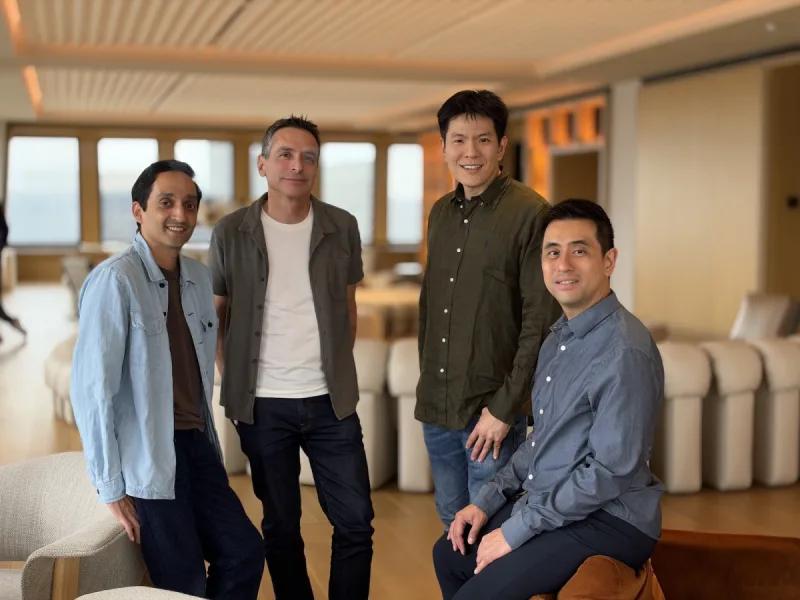
Mintive Closes $7M Seed Round Led by Cowboy Ventures, Backed by AI Luminaries
The agent identity management startup, founded by former Google Brain engineers, has attracted investors including Jeff Dean and Andrej Karpathy as it tackles enterprise AI governance.
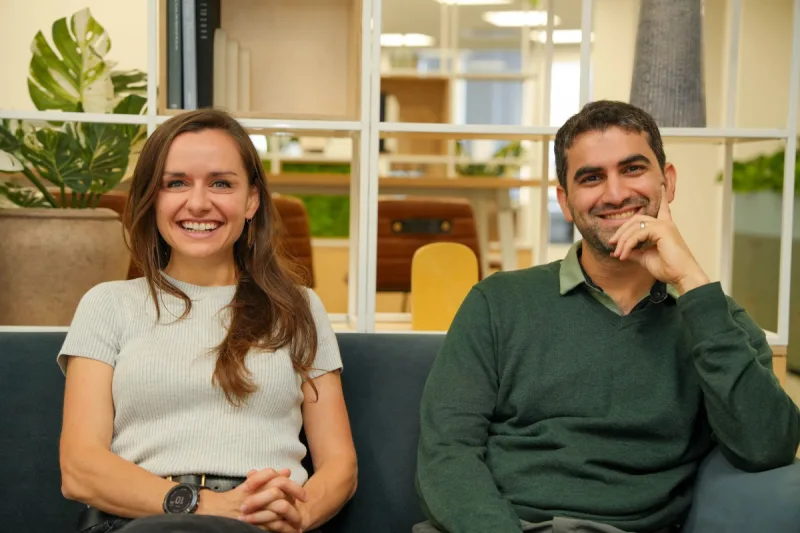
Crux Labs Lands $6M to Bridge AI Agents and Human Expertise
The startup's platform helps enterprises align autonomous agents with expert judgment at scale, drawing backing from Benchstrength and Misneach.
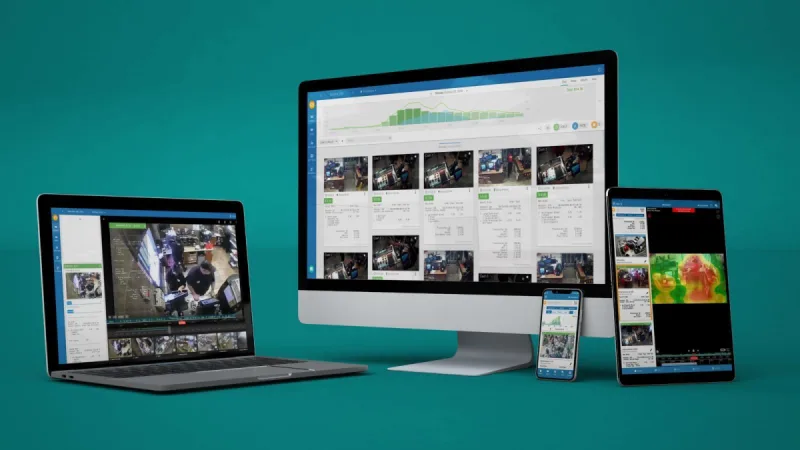
Solink Lands $100M+ to Expand AI-Powered Camera Analytics Platform
The Ottawa-founded video intelligence company is using fresh capital to build out its AI vision capabilities across retail, restaurant and warehouse operations worldwide.