TikTok's Framework for Embedded Web Apps Signals a Shift in How Platforms Contain Content
TikTok has quietly built TikTok Minis, a framework allowing web-based experiences to run directly within its platform using familiar web technologies like HTML, JavaScript, React and Vue.
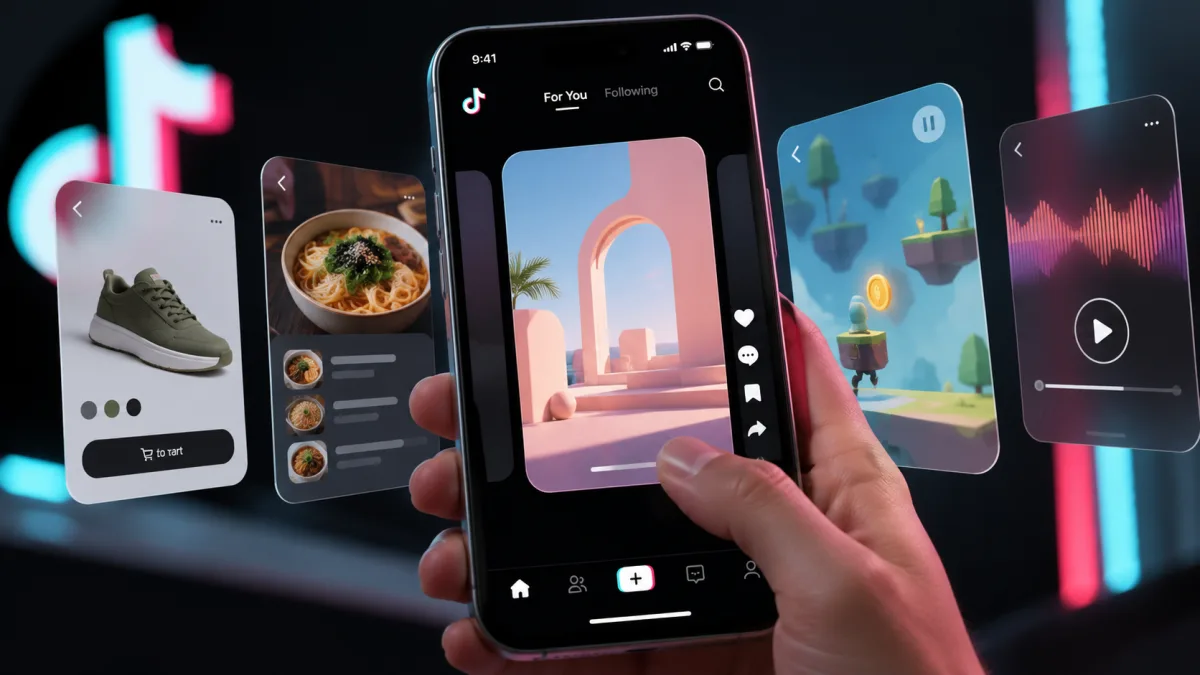
Millions rely on TikTok for video consumption, yet something more significant lurks within its developer documentation. The platform has engineered a system enabling web-based interactive content to operate natively inside TikTok itself, rather than directing users elsewhere.
What exactly are TikTok Minis?
TikTok characterizes Minis as third-party interactive experiences embedded directly within the platform. Current documentation emphasizes Mini Dramas, allowing viewers to engage with short dramatic content from external sources without exiting TikTok or launching a separate browser.
Beneath this sits technology that web professionals will find familiar. TikTok's technical specifications indicate these experiences leverage standard web tools: HTML, JavaScript, React and Vue. The significance becomes apparent without requiring deep technical knowledge.
The mechanism is straightforward: TikTok → interactive experience → still TikTok. While this may seem incremental, the implications could prove substantial.
Apps are consuming the web, not the reverse
For years, dominant social platforms have engineered their ecosystems to retain users. Instagram prioritizes keeping attention on Instagram. TikTok aims to keep viewers watching TikTok. YouTube designs its interface to funnel clicks toward additional YouTube content. TikTok Minis extends this logic further: rather than directing someone to an external website, portions of that experience can unfold within TikTok's boundaries.
For those designing web experiences, this represents a meaningful expansion. Within the scope of Minis that TikTok presently enables, builders can construct genuinely interactive experiences residing on the platform itself. The traditional boundaries separating websites, social networks and applications become considerably less distinct.
This development may constitute the more compelling narrative.
Important limitations exist
Developers should not immediately begin migrating projects into TikTok. TikTok Minis does not currently function as an unrestricted alternative to the App Store or the open web. TikTok's technical documentation concentrates heavily on Mini Dramas, and creators must conform to TikTok's infrastructure, settings and review mechanisms.
A secondary consideration complicates the picture: TikTok is not uniformly adopting web-based approaches. Mini Games represent a contrasting trajectory. TikTok discontinued accepting and supporting HTML-based Mini Games effective August 28, 2026, transitioning games toward its proprietary runtime environment.
The actual narrative differs from a wholesale conversion to web technologies. Rather, TikTok has engineered a mechanism allowing specific interactive experiences—ones that might previously have directed users to external web destinations—to function within TikTok's confines. This represents a more nuanced shift, though potentially far more consequential.
Why this matters for web professionals
Throughout most of the web's existence, designers constructed destinations. Users discovered websites through search results, clicked hyperlinks or entered addresses directly. This model has undergone transformation over an extended period: Instagram hosts content, TikTok distributes video, Reddit facilitates discussion, and increasingly users engage in shopping, viewing and interaction without accessing conventional websites.
TikTok Minis continues this trajectory. It furnishes developers with an additional venue for constructing interactive experiences, with the distinction that these experiences inhabit another entity's platform. For web professionals, this presents both opportunity and unease—the web itself is not vanishing, but rather materializing in contexts traditionally considered separate from the web.
The browser once represented the web's singular home. Today, it increasingly functions as merely one location where web experiences manifest.
Read more
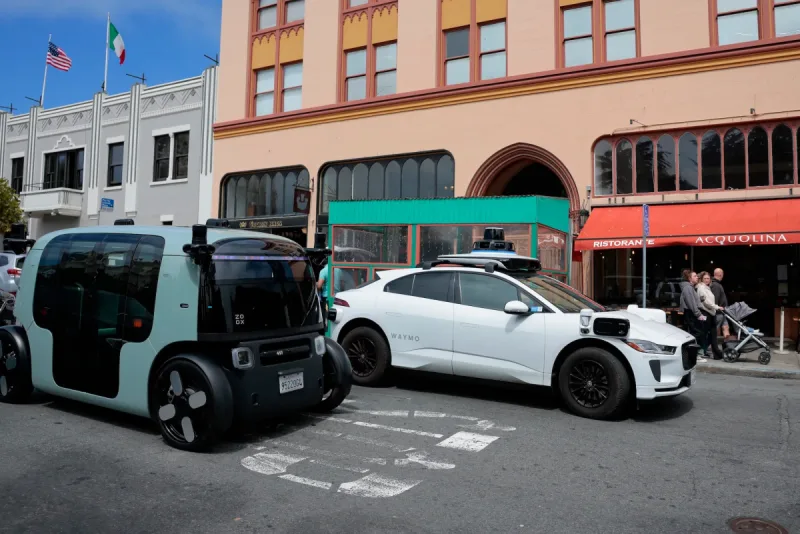
California Tightens Rules on Robotaxis as Incidents Mount
A new state law sets safety standards and accountability measures for autonomous vehicle operators, requiring local support staff and penalties for blocking emergency responders.

Wawa Elevates Long-Tenured Executive to CIO Role
The convenience store chain has named Bill O'Donnell, a 25-year company veteran, as its new chief information technology officer, putting him in charge of tech strategy, cybersecurity and digital operations.

ServiceNow Debuts Flow, a Conversational Service Desk Built for Speed Over Complexity
ServiceNow is rolling out Flow, a natural language service desk tool that automates employee requests through Slack and Microsoft Teams without requiring a full IT service management overhaul.