Superhuman Rebrands From Grammarly, Launches Personal AI Agent Across Productivity Suite
The company formerly known as Grammarly has unveiled an expanded Go platform featuring a customizable personal AI assistant that operates across its entire product lineup, alongside new agentic capabilities in Docs and Mail.
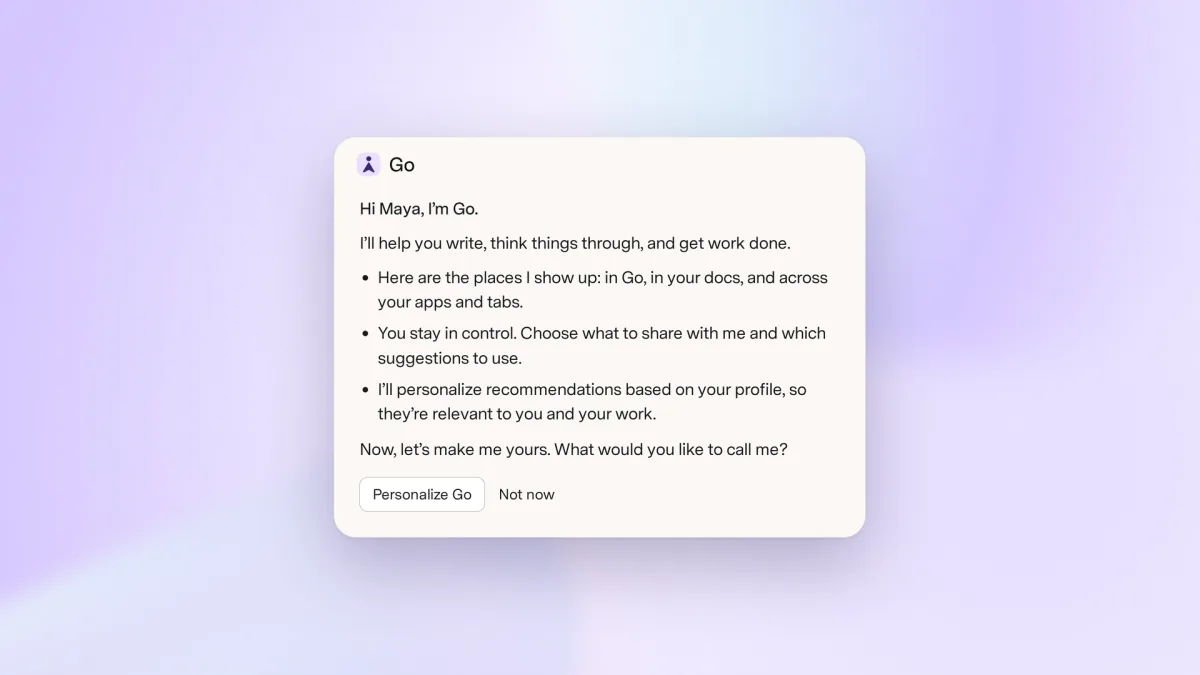
Superhuman Inc., the rebranded entity previously operating as Grammarly, has introduced significant enhancements to Go, its multi-agent AI platform, while rolling out fresh capabilities throughout its product ecosystem. The centerpiece of today's announcement is a new personalized AI assistant embedded within Go that team members can customize with a name, delegate tasks to, and instruct to monitor projects and task lists autonomously. Operating across integrated applications, this assistant can recommend actions, generate content matching the user's writing style, and orchestrate a network of specialized AI agents while keeping humans informed at every step.
Beyond the personal assistant, Superhuman has integrated agent functionality into Docs and Mail. The company also enhanced Fathom, its note-taking application, transforming it into a collaborative platform that eliminates bot interference and natively integrates with every tool in the Superhuman ecosystem while recording video, screen captures, and audio.
Superhuman is solving for the last mile of AI: the gap between deployment and adoption. The best AI shows up for your whole team, not just the power users who go looking for it. It's embedded in the tools you already use, it works ahead of you, and it collaborates alongside you.
Shishir Mehrotra, Chief Executive
A personal agent for everyone
The reimagined Go assistant functions as a proactive agent that operates on behalf of users with their consent. Superhuman characterizes it as an additional pair of eyes monitoring activity throughout the workday, identifying pending tasks, and staying informed on critical information. The assistant anticipates needs on task lists, volunteers to handle completable items, addresses gaps, distills meeting transcripts, manages critical correspondence, and prepares users for significant meetings.
The assistant mimics the user's communication patterns and improves through ongoing feedback. It learns from historical communications to compose messages in the user's voice, polishes drafts before sending, and continuously refines its understanding of their style.
Superhuman has onboarded more than 20 new partner agents capable of integrating specialized knowledge and functionality from third-party services. Examples include Legora AB's legal intelligence agent, Databricks Inc.'s Live Metrics agent for data analysis, Amplitude Inc.'s Product check agent for validating usage metrics, and Blackboard Inc.'s Assignment Coach agent for academic support.
The personal AI agent category has gained momentum with offerings from OpenClaw and Meta Platform Inc.'s Muse, alongside contributions from the open-source ecosystem and various startups and enterprises. Anthropic PBC recently unveiled Claude Duet, a comparable proactive assistant targeting professionals and small businesses currently in private preview, which executes tasks on demand and continues operating in the background.
Agentic collaboration throughout the entire suite
Agents from Go are now natively available in Docs, Superhuman's AI-powered collaborative workspace merging documents, spreadsheets, and automated processes. Users can share documents with agents by using @ mentions to assign work, and agents appear as active collaborators within the workspace.
Users can configure agents with specific triggers determining execution timing, and these agents interact with documents regardless of whether they're currently open, refreshing content as updates occur. Agents can enhance documents by retrieving data from email systems, monitoring external applications, or querying connected databases, ensuring document information remains current.
Agents similarly integrate with Mail and other platform tools. During email composition, agents can propose text as users write. Superhuman Mail leverages agents to surface information from Slack, meeting transcripts, or organizational repositories. The company reports that its auto-draft feature currently saves an average of nine minutes per message. For users responding to four emails daily, this translates to approximately three hours of weekly time savings.
Superhuman has also made the Go platform software development kit generally available to partners and customers, introducing new capabilities for agent development. Partners can now construct and deploy custom agents that function anywhere within Go. The company intends to expand its roster of specialized partner agents.
Read more

Equifax Slashes Database Support Tickets by Moving Oracle Billing System to AWS
The credit bureau migrated its massive billing database to Oracle Autonomous AI Database on AWS, eliminating the need for query tuning and cutting daily support workload from 15-20 tickets to just one or two per month.
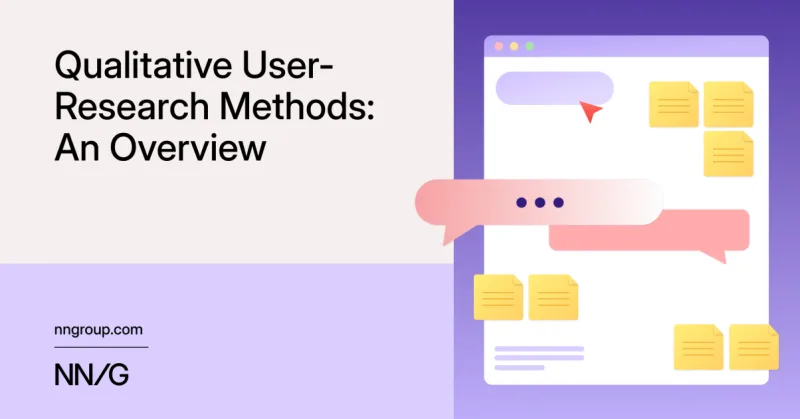
Four Core Qualitative Research Methods for Understanding User Behavior
Usability testing, user interviews, field studies, and diary studies form the foundation of qualitative research in UX. Each method answers different questions about how people behave, what they need, and why they make the choices they do.
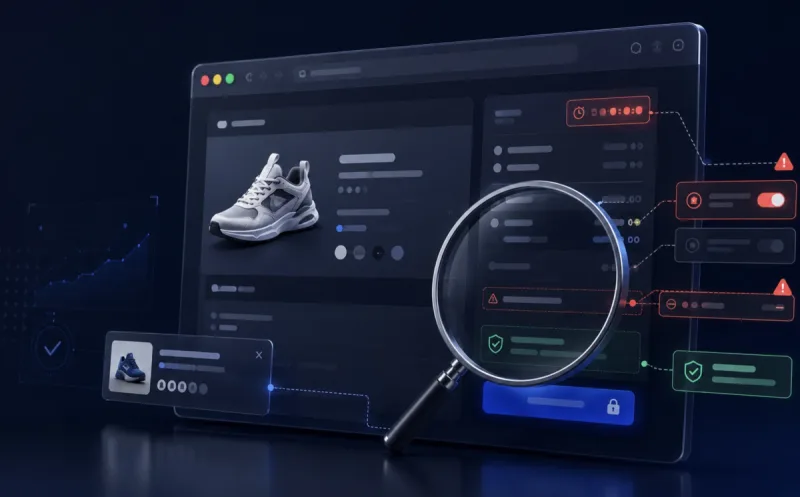
Why Dark Patterns Are Tanking E-Commerce Conversions: What 100 Store Audits Reveal
An analysis of 100 major online retailers found that manipulative design tactics—fake urgency, hidden fees, forced subscriptions—deliver short-term conversion bumps but destroy customer lifetime value and invite regulatory action.