The Prompt Box Is Reshaping How We Navigate Software
As conversational interfaces replace traditional menus and dropdowns, websites are becoming faster to use but harder to explore. The shift from clicking to typing is fundamentally changing the user experience.
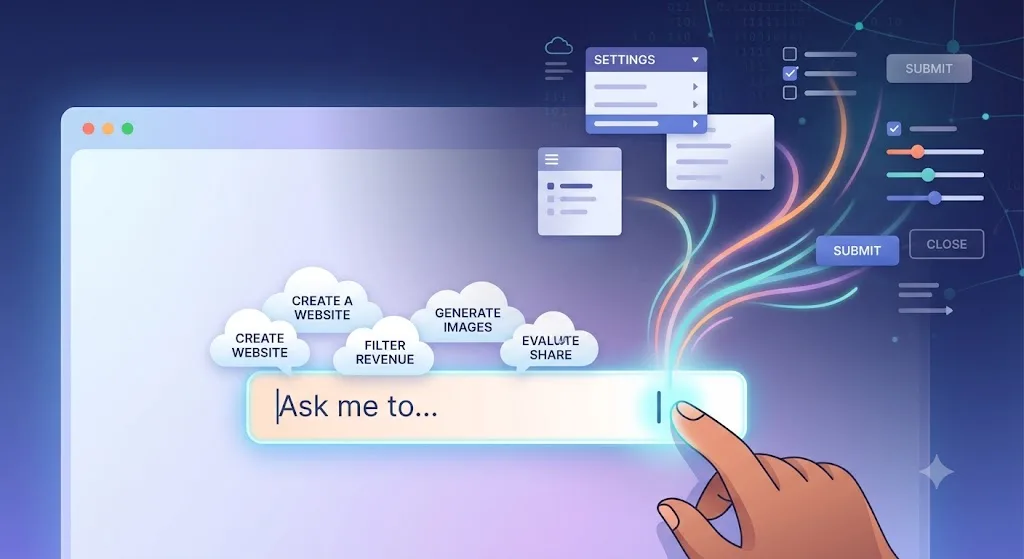
A routine task recently illustrated a stark contrast in modern software design. Generating a financial report through traditional interface elements required navigating a sidebar menu, expanding nested dropdowns, wrestling with a calendar widget, toggling custom filters, and clicking apply—eight interactions in total. Mere inches away sat an unadorned text field with the invitation: "Or, just ask me." After typing "Show me Q3 revenue from Northwest clients, grouped by month," the requested chart appeared instantly. The experience was striking: the interface paradigm that has dominated web design for thirty years is being displaced by something far simpler—a single, empty input box.
The transformation underway represents a fundamental shift in how people interact with digital products. Rather than clicking predetermined options, users are increasingly typing natural-language requests. This transition is redefining what it means to navigate the internet.
The End of Digital Hide-and-Seek
Web design has historically centered on concealing complexity. Designers have invested enormous effort determining how to tuck advanced features away without overwhelming the interface. The hamburger menu icon, cascading hover effects, and multi-level settings pages all emerged from this philosophy. Mastering any sophisticated web application—banking platforms, project management tools, booking systems—required learning the site's organizational structure and remembering where specific controls resided.
The prompt-based approach dismantles this entire system. Instead of requiring users to traverse a digital labyrinth, the interface flattens completely. The learning curve evaporates. There is no need to hunt for an "Export to CSV" option buried in settings; typing "Download this as a spreadsheet" accomplishes the same goal. The system molds itself to the user rather than demanding the user adapt to its structure.
The Blank Canvas Problem
From a user experience standpoint, this shift appears overwhelmingly positive. It is more approachable, quicker, and makes sophisticated tools accessible to those without technical expertise.
Yet as websites trade structured menus for text input fields, a different category of friction emerges: the blank page dilemma. Menus and buttons function as a communication tool. A filter dropdown displaying Price, Color, and Size options immediately clarifies what the system can do. The boundaries become transparent.
A text box offers no such guidance. It presents an empty expanse with no hints about capabilities. When an interface depends entirely on text input, the cognitive load transfers from the designer to the user. Phrasing the command correctly becomes the user's responsibility. Does "Show my top clients" mean highest revenue, most orders, or greatest profit? If the system misinterprets the request, the user receives incorrect results without necessarily recognizing the error. Rather than a straightforward interaction, using the site becomes an exercise in trial and error, typing variations of the same request hoping to trigger the correct backend function.
The Loss of Accidental Discovery
A less obvious consequence accompanies the shift from navigation to prompts: the disappearance of serendipitous exploration. Browsing an online retailer or video platform often yields unexpected finds through clicking through menus and subcategories. The act of navigating creates opportunities for discovery.
The prompt box converts the web into a transaction mechanism. It requires users to know precisely what they seek before typing. Without the correct phrasing, features and content effectively vanish from reach.
The Conversational Interface Future
Traditional buttons and links will not vanish overnight. For straightforward actions—liking content, adding items to a cart, switching between display modes—clicking remains faster than typing. These interactions will persist.
The trajectory, however, is unmistakable. Tomorrow's websites will likely abandon static menu grids in favor of conversational partners. Interfaces will begin as blank spaces, then reconfigure based on user input. This represents both opportunity and uncertainty. The web is becoming more conversational and responsive, yet simultaneously less transparent. Speed and efficiency are being gained, but the ability to survey an entire system at a glance may be lost. As prompt boxes replace traditional navigation, the challenge will be maintaining the exploratory dimension that has always made the internet compelling.
Read more
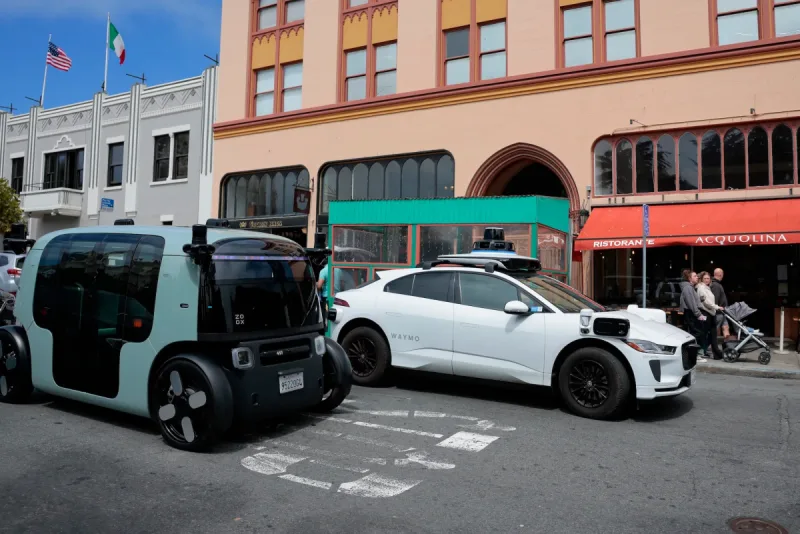
California Tightens Rules on Robotaxis as Incidents Mount
A new state law sets safety standards and accountability measures for autonomous vehicle operators, requiring local support staff and penalties for blocking emergency responders.

Wawa Elevates Long-Tenured Executive to CIO Role
The convenience store chain has named Bill O'Donnell, a 25-year company veteran, as its new chief information technology officer, putting him in charge of tech strategy, cybersecurity and digital operations.

ServiceNow Debuts Flow, a Conversational Service Desk Built for Speed Over Complexity
ServiceNow is rolling out Flow, a natural language service desk tool that automates employee requests through Slack and Microsoft Teams without requiring a full IT service management overhaul.