Seven Strong Budget Phones Under $500 for 2026: Google, Nothing, OnePlus, and More
Flagship smartphones keep getting pricier, but capable devices that handle messaging, maps, streaming, and photography remain available well below $500. Here are the best budget options for 2026.
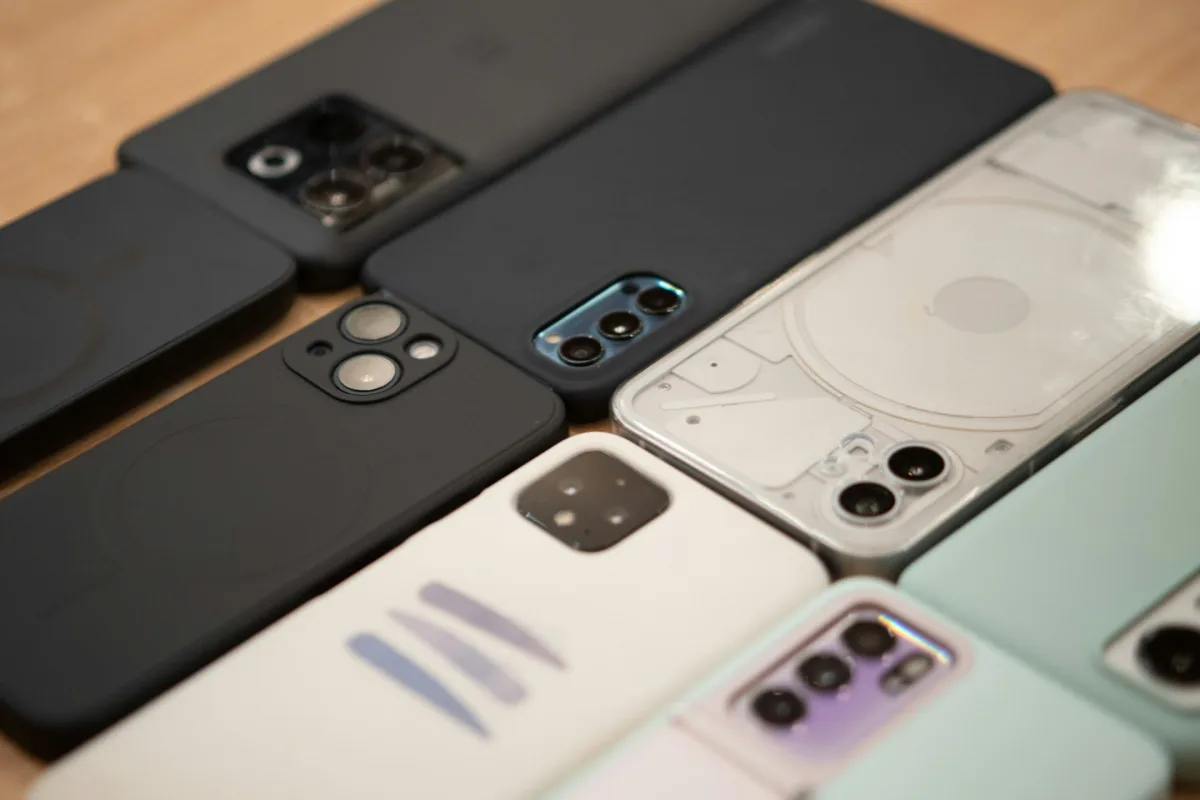
Handset makers continue pushing flagship prices toward four figures, making it harder to justify the expense when typical daily use revolves around messages, maps, work apps, streaming, photos, and occasional gaming.
The good news is that the sub-$500 market still delivers phones capable of handling everyday tasks without feeling compromised. This roundup covers seven standouts for 2026, spanning both widely available US models and international options that sometimes offer bigger batteries, more powerful processors, or more ambitious camera systems in exchange for less convenient local availability.
Each selection targets a specific strength: battery endurance, photography capabilities, raw performance, extended software support, or fitting within an even tighter budget.
Google Pixel 10a: Best for balanced everyday use
The Pixel 10a delivers solid fundamentals for anyone seeking a phone that manages work apps, photography, streaming, navigation, and regular multitasking without complications. A 6.3-inch 120Hz OLED display, 5,100mAh battery, and Qi wireless charging provide everyday conveniences that make regular use more pleasant.
Wireless charging proves particularly useful for those who prefer setting their phone on a pad at a desk or nightstand rather than dealing with cables. The stabilized 48MP primary sensor captures solid everyday photos, while a 13MP ultrawide lens steps in when you need to capture more of a scene.
Storage represents the main limitation. The $499 entry model includes just 128GB, and there is no dedicated telephoto lens for optical zoom. Google's commitment to seven years of OS and security updates means owners planning to keep their device long-term will enjoy substantial software longevity.
What you'll like: A well-rounded Android experience with extended support, capable cameras, and conveniences such as wireless charging.
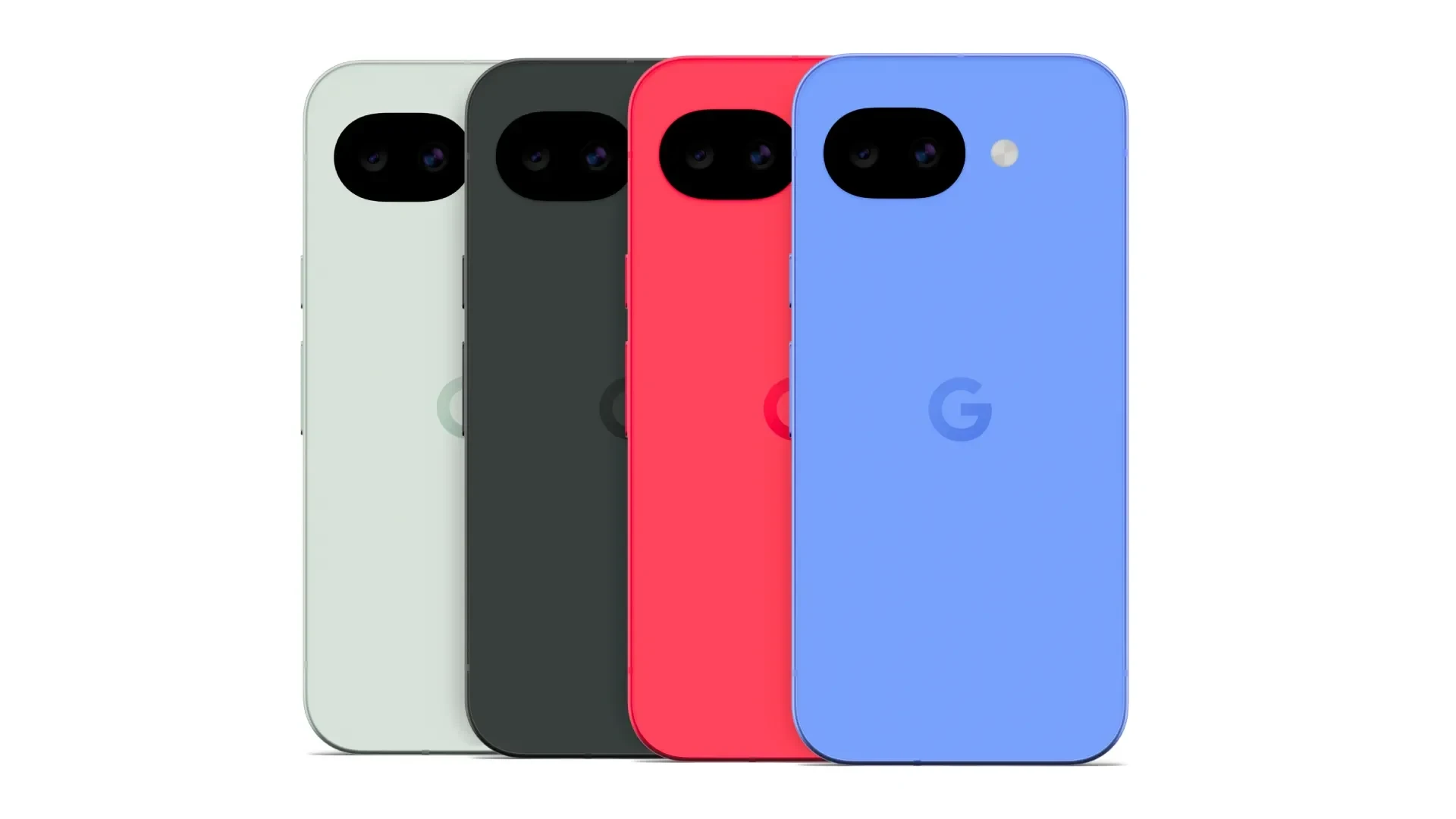
HONOR X9d: Best for durability and battery life
HONOR emphasizes resilience and endurance with the X9d. Its 8,300mAh battery can stretch beyond three days under HONOR's test conditions, making it valuable during trips, demanding work days, or weekends when charging access is limited.
Toughness extends beyond basic water resistance. HONOR subjected the phone to drop tests from 2.5 meters and IP69K water resistance under controlled conditions. Rain, dust, and occasional accidents should prove less concerning than with more fragile devices.
A midrange Snapdragon 6 Gen 4 processor handles social media, video, navigation, messaging, and moderate gaming comfortably. Those focused on demanding titles should look elsewhere. Purchasing the X9d in the US typically requires sourcing an international unit, with after-sales support depending more on the seller than the manufacturer.
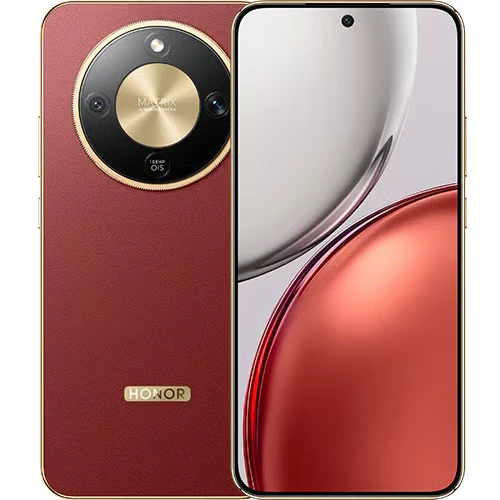
What you'll like: A massive battery and reinforced construction for situations when your phone needs to keep functioning with minimal attention.
Motorola Moto G Power 2026: Best for spending under $300
The Moto G Power 2026 leaves substantial room in a $500 budget. Motorola combines a 5,200mAh battery with 128GB of storage and microSD expansion up to 1TB, letting you store downloaded shows, music, photos, and files locally without upgrading to a pricier storage tier.
Motorola estimates up to two days between charges under its testing, and IP68/IP69 protection provides confidence around dust, spills, and rain. A 120Hz display keeps scrolling smooth relative to the price, though it relies on LCD technology rather than the OLED panels found on several competitors here.
Software longevity represents the larger tradeoff. Motorola's update commitments have varied across its lineup, and the company currently schedules Moto G Power 2026 security updates only through January 2029. Those keeping phones for many years may prefer the longer support windows offered by Google or Samsung.
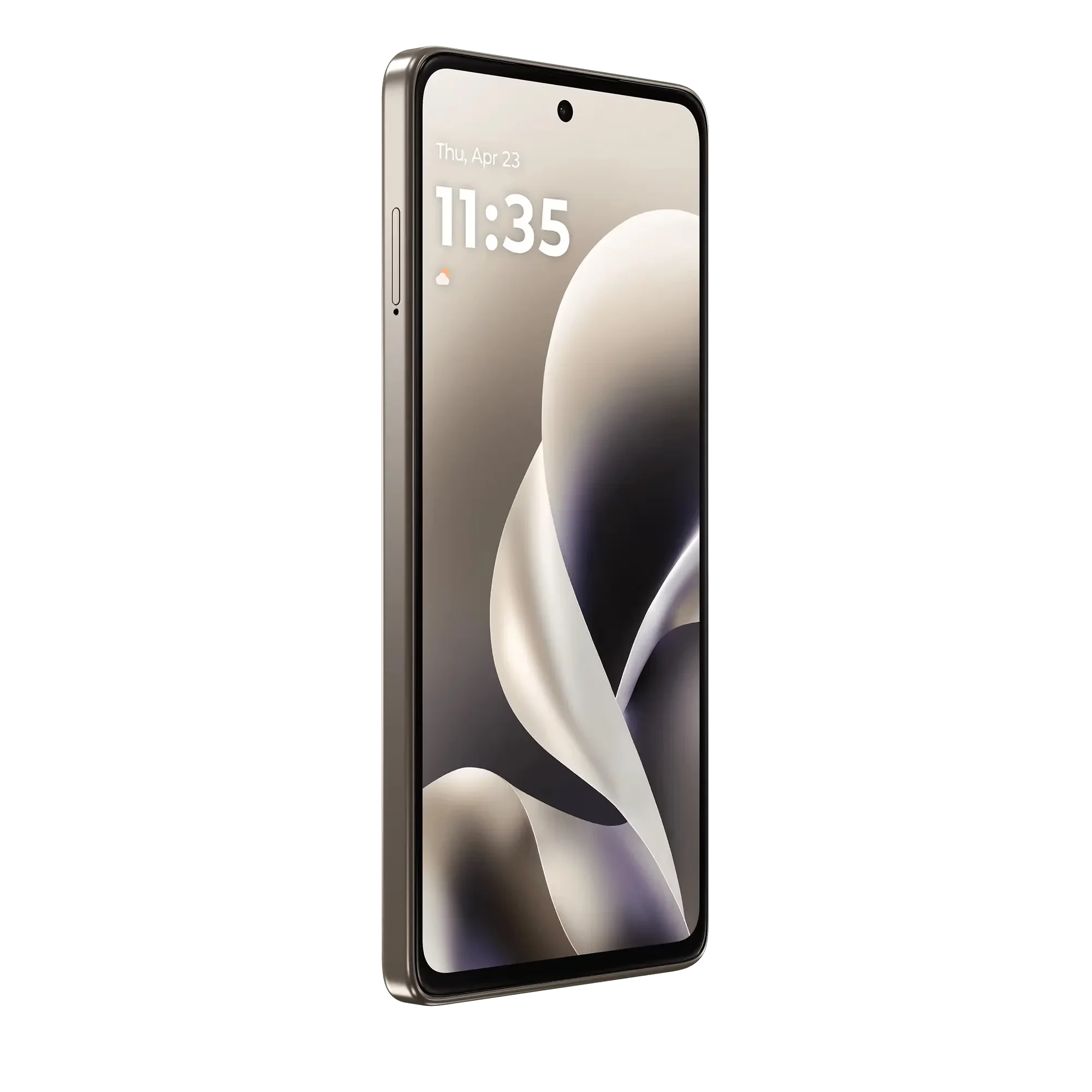
What you'll like: Extended battery life, expandable storage, and solid weather protection while staying well under the $500 ceiling.
Nothing Phone (4a) Pro: Best for zoom photography
The Nothing Phone (4a) Pro distinguishes itself from most sub-$500 competitors through a 50MP periscope camera delivering 3.5x optical zoom. This capability lets you frame closer shots of pets, performers, buildings, or distant people without depending entirely on digital cropping.
A separate 50MP stabilized main camera handles standard shots, and the Snapdragon 7 Gen 4 provides sufficient performance for everyday multitasking and gaming. Nothing OS 5.0 is scheduled for the Phone (4a) Pro, keeping it aligned with the company's current software ecosystem.
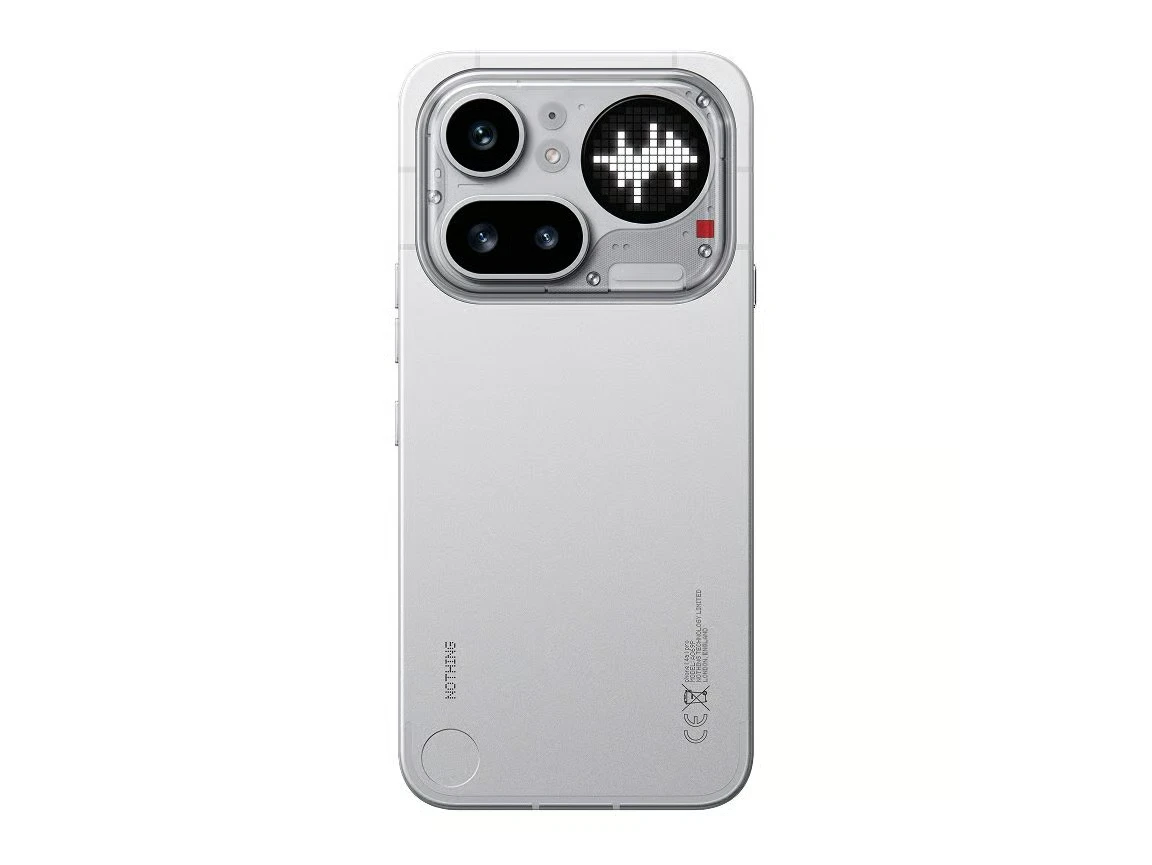
US pricing constrains storage options within our budget. The $499 version comes with 128GB, but stepping up to 256GB exceeds $500. IP65 protection also trails the water-resistance ratings available on several alternatives.
Price: $499 for 8GB of RAM and 128GB of storage.
What you'll like: Genuine optical zoom enables better shots when moving physically closer to your subject isn't feasible.
OnePlus Nord 6: Best for performance
The OnePlus Nord 6 emerges as the performance choice for mobile gamers, those juggling demanding apps, or anyone expecting their phone to handle intensive workloads. A Snapdragon 8s Gen 4 processor, rapid UFS 4.1 storage, and a 165Hz AMOLED screen deliver substantially more power than typical phones at this price point.
The global model's 7,500mAh battery provides ample capacity for gaming and extended days away from outlets. When the battery does deplete, 80W charging refills it considerably faster than several US-market competitors.
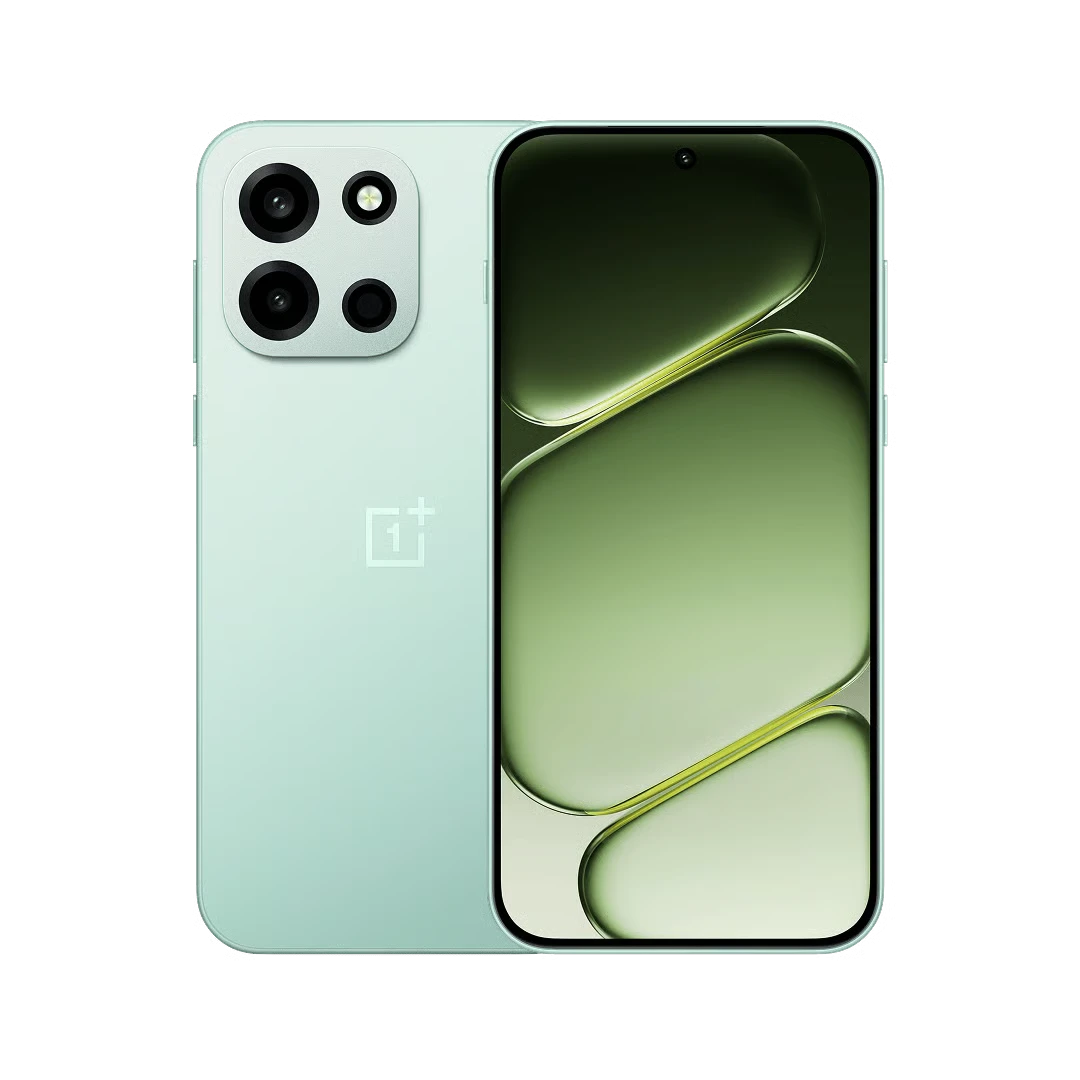
Availability requires compromise. OnePlus has discontinued new product launches in North America and Europe, meaning US buyers must import this model. Older OnePlus inventory may still appear domestically, but the Nord 6 itself lacks a standard US release.
Price: Starting at about $452 (₹42,999) for 8GB of RAM and 256GB of storage.
What you'll like: Substantial processing power for gaming and intensive multitasking, paired with a large battery and rapid charging.
Samsung Galaxy A37 5G: Best for long software support
The Galaxy A37 5G deserves consideration if you typically retain the same phone for several years. Samsung pledges six generations of OS upgrades and six years of security updates, providing an extended timeline before software support becomes a reason to upgrade.
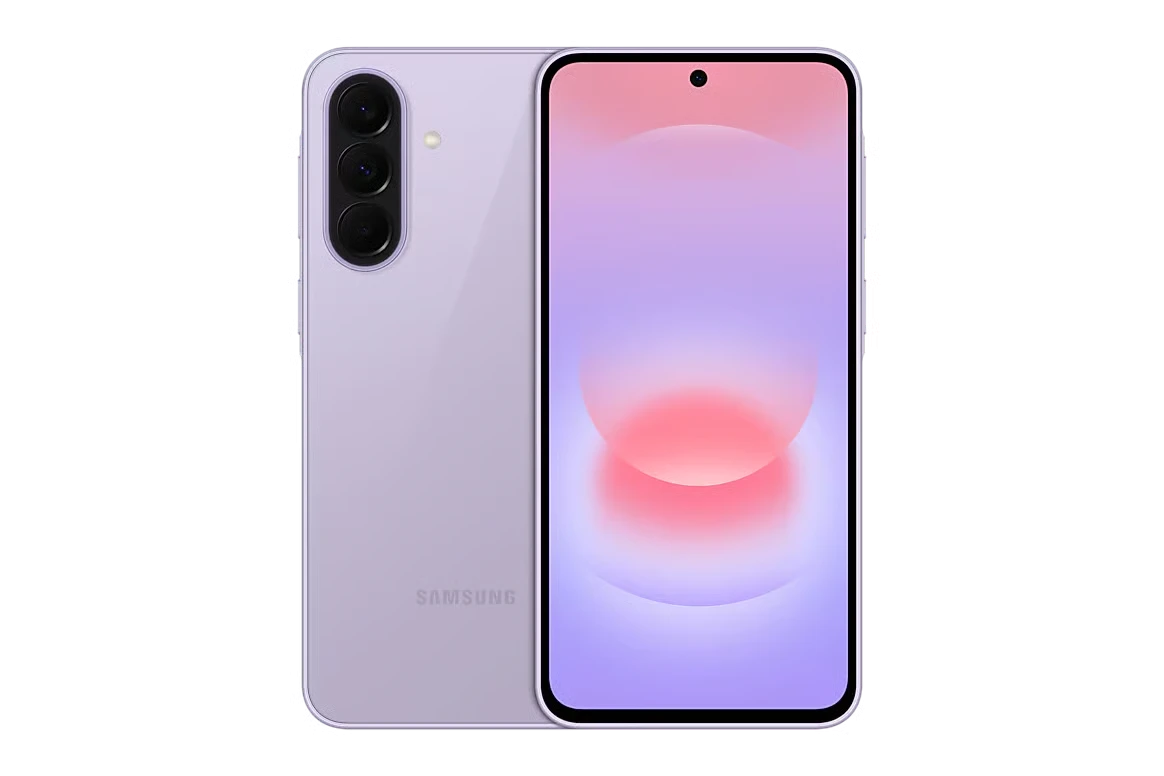
A 6.7-inch 120Hz AMOLED screen offers substantial space for video, reading, maps, and split-screen activities. IP68 protection helps with spills and wet conditions, while the stabilized 50MP main camera handles the everyday photography most owners require.
Storage is where the budget constraint bites. Samsung charges $449.99 for 128GB, but 256GB pushes the phone above the $500 threshold. Long-term buyers should evaluate whether 128GB will remain adequate several years ahead, since software support can outlast the storage capacity that seemed sufficient at purchase.
Price: $449.99 for 128GB.
What you'll like: Years of software coverage and familiar Galaxy features without the cost of Samsung's flagship models.
Redmi Note 15 Pro 5G: Best for camera and display
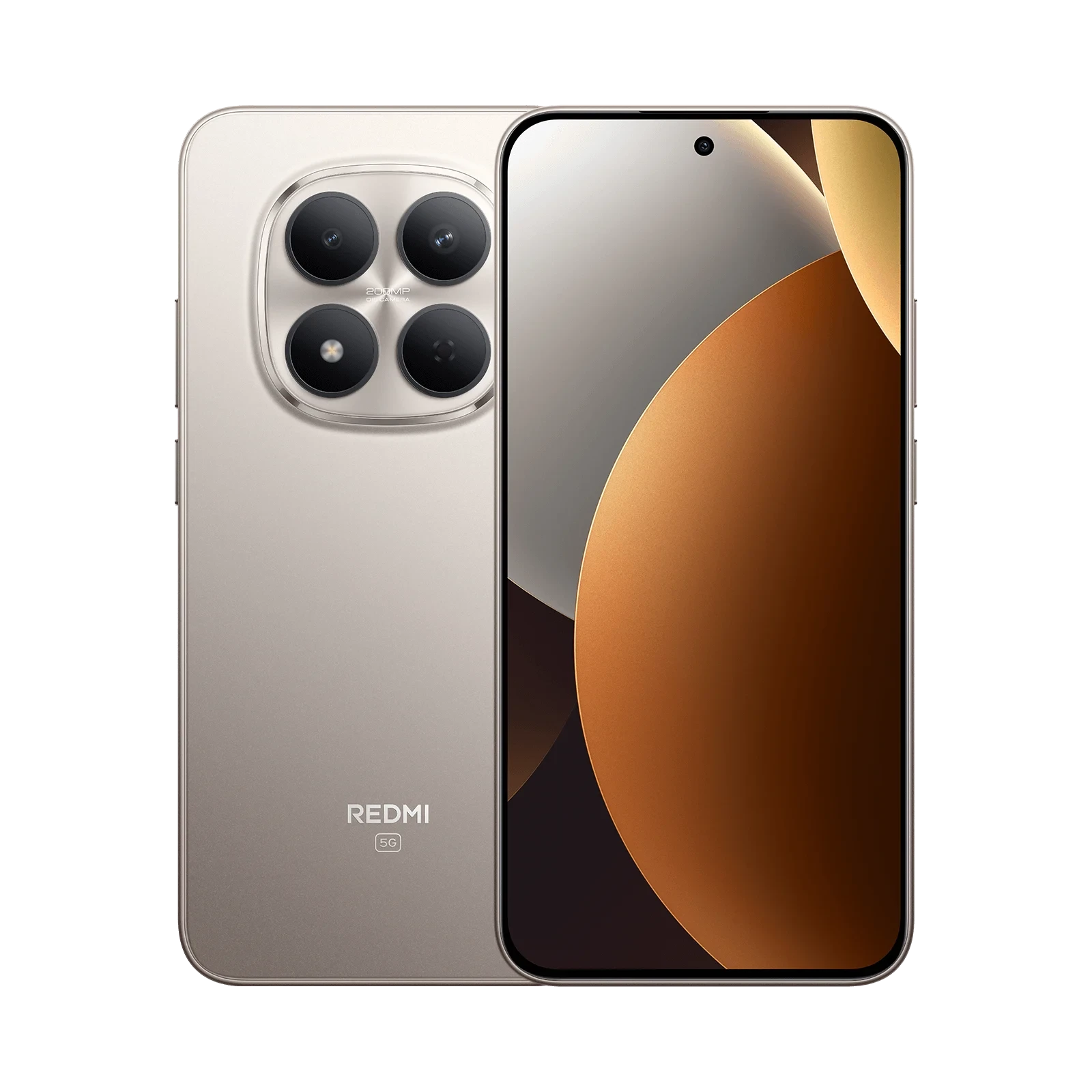
The Redmi Note 15 Pro 5G prioritizes imaging and screen real estate. A 200MP stabilized main camera and 6.83-inch 1.5K AMOLED display deliver substantial resolution for photos, reading, video, and light editing directly on the device.
High-resolution capture provides extra latitude for cropping photos after capture without sacrificing significant detail. Starting configurations across several markets include 256GB of storage, which proves valuable when large photo collections and downloaded media accumulate.
Camera versatility falls short of what the 200MP specification may suggest. An 8MP ultrawide handles broader scenes, but there is no dedicated optical telephoto lens. US shoppers examining Xiaomi phones should anticipate purchasing outside the company's domestic retail channels, with available models varying by seller and location.
Price: About $473 (£349) for the 8GB/256GB configuration.
What you'll like: Abundant storage, a large AMOLED screen, and a high-resolution main camera suited for photos and media.
Which budget smartphone should you buy?
Begin by considering what you genuinely do with your phone. The Pixel 10a fits those wanting a dependable all-rounder with extended support, the Moto G Power stretches a limited budget much further, Nothing delivers genuine optical zoom, and the Nord 6 provides greater processing capability for games and demanding tasks.
International models warrant one additional verification before purchasing. HONOR and Redmi deliver substantial hardware value, but US buyers should verify network bands, carrier compatibility, warranty coverage, and return policies before importing.
Saving $100 or $150 stops appearing like a bargain quickly if your new phone struggles on your network or becomes difficult to service. Price gets a phone onto this list, but how well it matches your daily routine should determine which one ends up in your pocket.
Read more
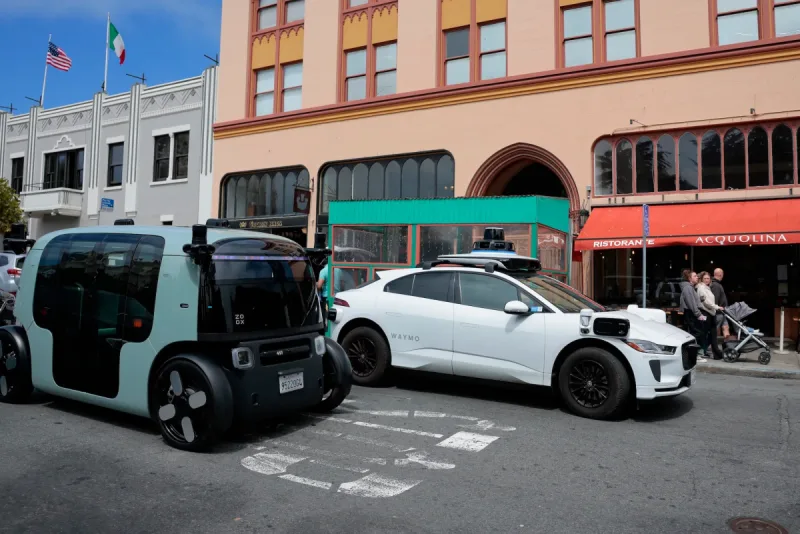
California Tightens Rules on Robotaxis as Incidents Mount
A new state law sets safety standards and accountability measures for autonomous vehicle operators, requiring local support staff and penalties for blocking emergency responders.

Wawa Elevates Long-Tenured Executive to CIO Role
The convenience store chain has named Bill O'Donnell, a 25-year company veteran, as its new chief information technology officer, putting him in charge of tech strategy, cybersecurity and digital operations.

ServiceNow Debuts Flow, a Conversational Service Desk Built for Speed Over Complexity
ServiceNow is rolling out Flow, a natural language service desk tool that automates employee requests through Slack and Microsoft Teams without requiring a full IT service management overhaul.