Samsung's Galaxy Z Fold 3 and Flip 3 Exit Support Window: What Users Should Know
Samsung has ended its guaranteed security update commitment for the Galaxy Z Fold 3 and Z Flip 3, marking the conclusion of a five-year support period that ended in August 2026. The question now facing owners is whether to continue using these 2021 foldables or begin planning an upgrade.
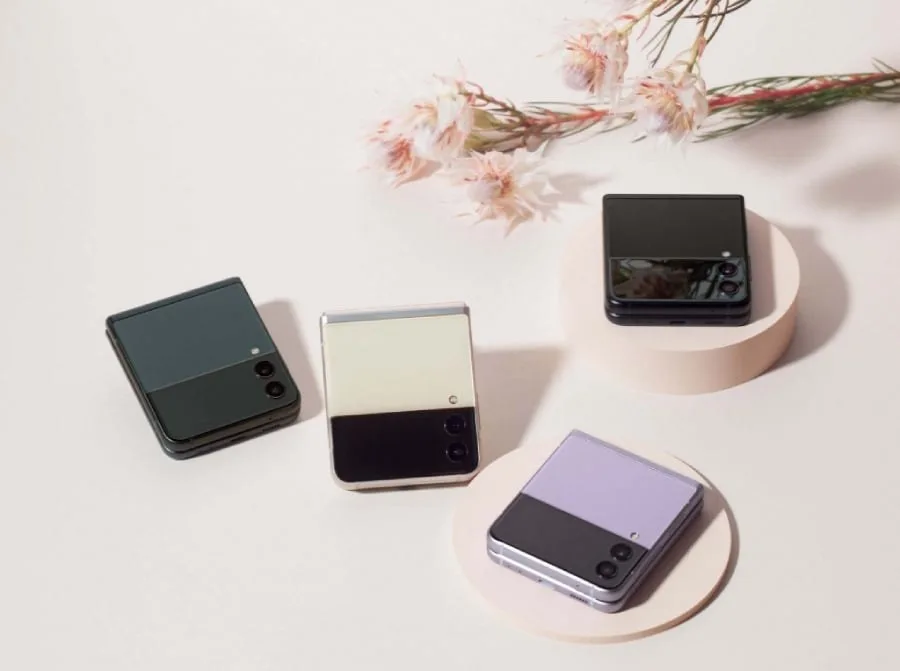
The devices will remain functional, but Samsung no longer guarantees regular security patches. Both the Galaxy Z Fold 3 and Galaxy Z Flip 3, which debuted in August 2021, have now exhausted their promised security maintenance window after approximately five years of coverage.
This development raises a practical concern for users: when should a smartphone be retired if manufacturer security updates are no longer assured?
Samsung reaches the end of the Fold 3 and Flip 3 support window
The two foldable models launched in August 2021 and helped establish Samsung's foldable phones as mainstream devices. In 2022, Samsung committed to providing four generations of Android and One UI upgrades alongside up to five years of security updates for these models.
Both devices have now reached their support endpoint, with Samsung's Knox documentation identifying August 2026 as the final guaranteed month for security patches. The same documentation designates Android 15 as the final guaranteed operating system version for each device.
Some final updates have arrived into September depending on the specific model and region, though installation dates after the security patch release do not necessarily indicate receipt of the latest security fixes. Samsung might issue an extraordinary update if a critical vulnerability surfaced, but routine security updates should not be anticipated beyond the guaranteed support period.
The industry landscape has shifted considerably. Samsung currently guarantees up to 7 years of operating system and security updates for certain newer Galaxy devices, while Google has made comparable commitments for recent Pixel phones. This extended support duration is increasingly influencing purchasing decisions, with update longevity becoming a material factor in determining how long an expensive phone remains practical to use.
Do Fold 3 and Flip 3 owners need to upgrade now?
Not necessarily. The absence of guaranteed support does not render the phone inoperable. These devices will continue functioning, though application compatibility may shift as developers modify software requirements.
The concern lies in what unfolds over time. New Android vulnerabilities will emerge, but Fold 3 and Flip 3 owners can no longer count on Samsung addressing them. This becomes increasingly significant for those relying on their phones for banking, two-factor authentication, work email, corporate applications, password storage, or other confidential functions.
Google continues strengthening Android security in domains including app installation and fraud mitigation. Recent developments include new restrictions on Android sideloading as Google introduces additional safeguards against potentially harmful software.
For individuals using a Fold 3 or Flip 3 as a secondary device, the support termination may not warrant an immediate purchase. For those using one as their primary work or personal phone, however, this represents an appropriate moment to begin considering an upgrade rather than postponing until hardware failure occurs.
Enterprises should adopt an even more cautious stance. IT departments permitting employee-owned Android devices should verify whether their mobile device management and security policies permit phones that no longer receive guaranteed manufacturer security updates.
Software support is becoming part of a phone's real price
The Fold 3 debuted at $1,799.99, while the Flip 3 began at $999.99. For devices commanding such prices, durability and longevity carry substantial weight.
A smartphone receiving seven years of security support can potentially function as a viable primary device far longer than one whose guaranteed update period concludes after four or five years, even if their hardware deteriorates at comparable rates. This reality explains why Android update commitments have evolved beyond a minor specification-sheet detail.
Motorola's Android 17 deployment has once again demonstrated how dramatically update eligibility diverges among manufacturers and individual models. Examining Motorola's Android 17 eligibility illustrates why consumers increasingly must weigh support policies alongside factors like camera quality, processing power, and battery capacity.
Fold 3 and Flip 3 owners need not rush into purchasing replacements immediately. However, circumstances have shifted. If your device continues meeting your requirements, continued use while planning your subsequent purchase remains viable. If it houses work credentials, financial applications, sensitive information, or functions as your primary device, transitioning to a phone with active security support represents the increasingly prudent approach.
The broader takeaway extends well beyond these two foldable devices: a phone's practical lifespan is no longer dictated solely by battery degradation or screen damage. Software support increasingly determines the sensible duration for continued use.
Read more
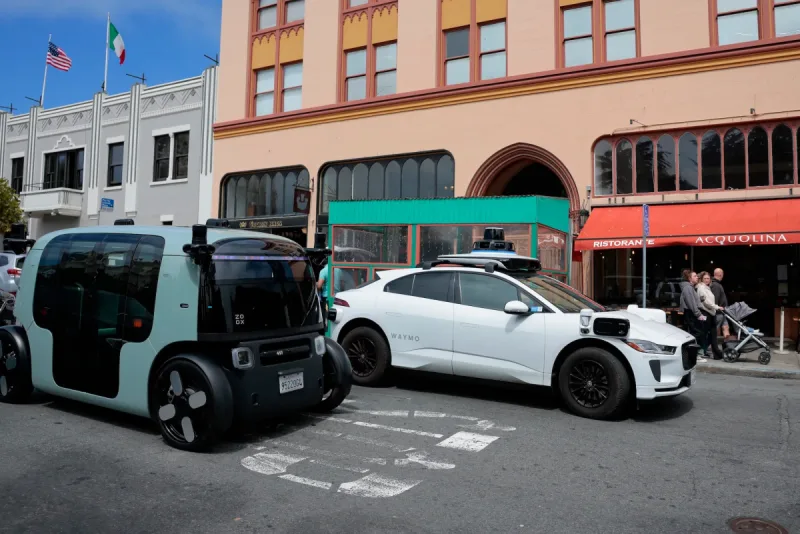
California Tightens Rules on Robotaxis as Incidents Mount
A new state law sets safety standards and accountability measures for autonomous vehicle operators, requiring local support staff and penalties for blocking emergency responders.
Wawa Elevates Long-Tenured Executive to CIO Role
The convenience store chain has named Bill O'Donnell, a 25-year company veteran, as its new chief information technology officer, putting him in charge of tech strategy, cybersecurity and digital operations.

ServiceNow Debuts Flow, a Conversational Service Desk Built for Speed Over Complexity
ServiceNow is rolling out Flow, a natural language service desk tool that automates employee requests through Slack and Microsoft Teams without requiring a full IT service management overhaul.