OpenAI Rolls Out ChatGPT Images 2.5 With Sketch Tool and Granular Editing
OpenAI's latest image model emphasizes hands-on creative control, replacing tedious prompt rewrites with visual editing tools that let users sketch, comment, and refine outputs without scrambling the entire composition.
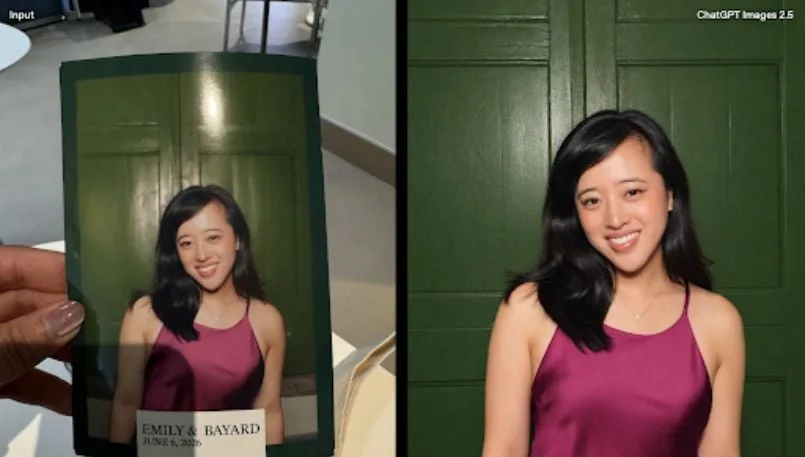
OpenAI has introduced ChatGPT Images 2.5, a refreshed iteration of its image generation system, which debuted this week with capabilities designed to reduce the frustration of iterative AI art creation. Rather than repeatedly rewriting prompts to fix minor issues, users can now mark up their work directly—much like an art director circling problems on a proof. The new model produces sharper detail, more convincing lighting, richer surface qualities, and improved accuracy when rendering people, animals, and objects based on reference imagery.
Performance has also improved substantially, with generation speeds reaching up to 50% faster than the prior Images 2.0 release.
Core improvements and features
The update merges accelerated generation with fresh approaches to image creation and refinement that move beyond text prompts alone.
- Enhanced visual quality: sharper details, more natural lighting, richer textures, and stronger fidelity to reference photos
- Generation latency reduced by up to 50% relative to Images 2.0
- Refined edits with greater consistency across sequential modifications
- Sketch capability, preset templates, inline image comments, and prompt-sharing functionality
- Flare variant for rapid, high-volume applications; Sunburst variant for detailed creative projects
Surgical editing without collateral damage
A persistent problem with AI image tools has been that minor adjustments frequently destabilize the entire output. Images 2.5 addresses this by isolating edits to only the requested elements—swapping backgrounds, substituting objects, or changing text—while preserving surrounding content across multiple revision cycles. Axios, granted preliminary access, verified this capability by directing the model to design a tattoo, incorporate feedback, and refine a logo through several iterations while maintaining the core design intent.
Visual input replaces written description
A new Sketch feature enables users to draw directly within ChatGPT—roughing out room layouts, garment silhouettes, or other compositional elements—which then informs the generated final image. Activating this tool requires typing "@Sketch." Additional enhancements include preset layouts for common deliverables such as posters and branded merchandise, the capacity to annotate images with targeted revision notes, and functionality to export the underlying prompt for others to adapt with their own source materials.
API access for development teams
OpenAI is introducing two distinct models via its API infrastructure. GPT-Image-2.5 Flare targets high-frequency, routine applications including social media content and product photography, prioritizing speed. GPT-Image-2.5 Sunburst operates at a slower pace but delivers heightened precision suitable for polished marketing campaigns. The company maintains its existing safeguards, C2PA metadata integration, and imperceptible watermarking systems to flag AI-generated content.
Strategic significance
OpenAI is working to transform AI image generation from an arcane process requiring specialized knowledge into an intuitive creative tool. The introduction of sketch-based and comment-driven workflows shifts the paradigm from "refine your description until satisfied" to "identify and adjust," lowering barriers to entry for nonprofessionals seeking usable outputs. This matters particularly for small enterprises and independent creators who lack the time or inclination to master prompt engineering for basic marketing materials or product imagery.
Adele Li, OpenAI's product lead overseeing image capabilities, explained to Axios that the objective centers on maintaining active user participation in creation: "The sketch tool and these templates are kind of an attempt to make people more engaged in the process of creation, rather than them being a passive force." She further stated, "I don't want to be able to see ChatGPT in the world. I want people to be able to generate and express their own individualism."
The rollout encompasses all ChatGPT, ChatGPT Work, and Codex subscribers across desktop, mobile, and web platforms.
Read more
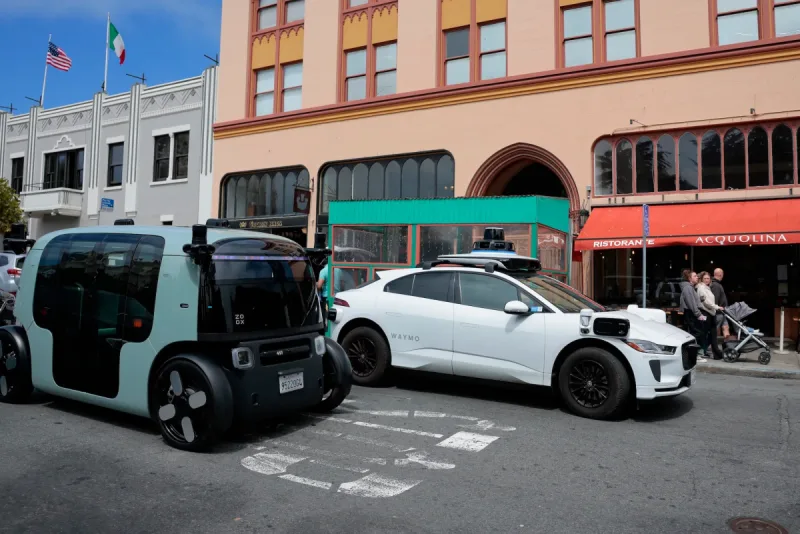
California Tightens Rules on Robotaxis as Incidents Mount
A new state law sets safety standards and accountability measures for autonomous vehicle operators, requiring local support staff and penalties for blocking emergency responders.
Wawa Elevates Long-Tenured Executive to CIO Role
The convenience store chain has named Bill O'Donnell, a 25-year company veteran, as its new chief information technology officer, putting him in charge of tech strategy, cybersecurity and digital operations.

ServiceNow Debuts Flow, a Conversational Service Desk Built for Speed Over Complexity
ServiceNow is rolling out Flow, a natural language service desk tool that automates employee requests through Slack and Microsoft Teams without requiring a full IT service management overhaul.