OpenAI Rolls Out ChatGPT Images 2.5 With Faster Generation and Sketch Tool
OpenAI has unveiled ChatGPT Images 2.5, a major update to its image-generation capabilities that delivers 50% faster processing, improved detail preservation, and a new Sketch feature for touchscreen-based image composition.

OpenAI Group PBC unveiled ChatGPT Images 2.5 today, the latest iteration of its image-generation platform following the April release of ChatGPT Images 2.0. The upgrade brings substantial improvements in rendering quality and user control, positioning the tool as a more capable solution for creative workflows.
The refreshed model produces images featuring "more natural lighting and richer textures" while demonstrating enhanced responsiveness to user directives "across multiple turns." Performance gains are equally significant: the system now generates images up to 50% faster than its predecessor. A standout addition is Sketch, a feature enabling users to draw directly on touchscreens—particularly useful with styluses like the Apple Pencil—and leverage those sketches as visual foundations for AI-generated compositions.
Precision in detail handling represents another major advancement. ChatGPT Images 2.5 excels at maintaining distinctive characteristics from reference photos, including facial features and identifying markers, across successive generations and edits within a single session. When users request modifications, the system now preserves unmodified elements with greater fidelity, even in complex scenes containing multiple subjects, objects, or intricate backgrounds—a weakness that plagued version 2.0.
Extended conversations benefit from improved consistency. As users request multiple edits over time, the model ensures earlier modifications remain intact and stable, with each new adjustment building on previous work without quality degradation. This architecture supports iterative creative processes where refinement happens gradually.
Sketches as a starting point
Sketch stands as the most prominent feature addition to version 2.5. Users can sketch rough layouts, visual directions, or compositional frameworks directly within ChatGPT, and the model transforms these sketches into polished, finished images. The feature proves especially valuable for those employing stylus input devices.
Additional enhancements include preset templates for standard image formats such as flyers and product photography. The platform now supports inline image annotations for precise edits and enables users to share both generated images and their accompanying prompts, facilitating collaboration among colleagues and friends who wish to build upon existing concepts.
Two model variants
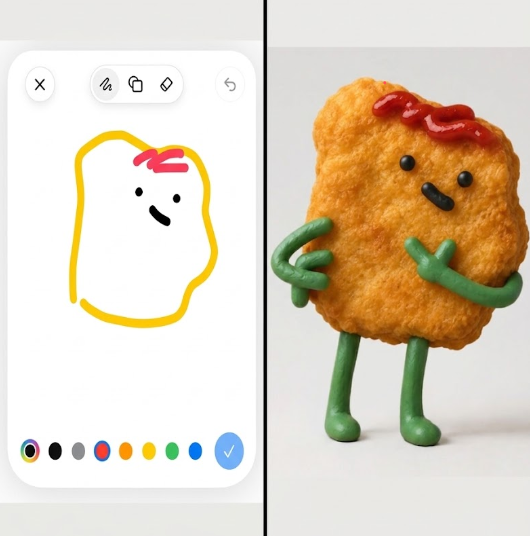
OpenAI offers two distinct ChatGPT Images 2.5 configurations. GPT-Image-2.5 Flare serves as the default option, prioritizing speed with output generation two to four times faster than GPT-Image-2. This variant includes enhanced transparent background support, making it well-suited for brand assets, presentations, and web content.
GPT-Image-2.5 Sunburst takes the opposite approach, trading processing velocity for heightened precision. While requiring additional processing time, this model delivers superior detail fidelity and consistency—attributes critical for creative professionals, artists, and commercial applications like product photography and marketing materials where brand-perfect accuracy is non-negotiable.
Security and availability
The new model incorporates multiple safeguards against harmful content generation through prompt and output filtering. OpenAI employs C2PA metadata and invisible watermarking to mark generated images, preventing unauthorized distribution and deepfake creation.
ChatGPT Images 2.5 is now accessible across ChatGPT, ChatGPT Work, and Codex platforms on desktop, mobile, and web interfaces. Developers can integrate both GPT-Image-2.5 Flare and GPT-Image-2.5 Sunburst through dedicated application programming interfaces.
Read more
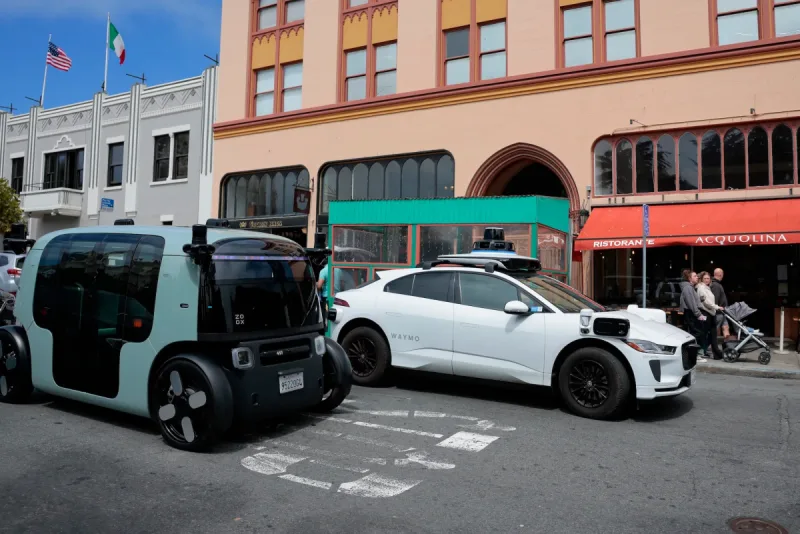
California Tightens Rules on Robotaxis as Incidents Mount
A new state law sets safety standards and accountability measures for autonomous vehicle operators, requiring local support staff and penalties for blocking emergency responders.
Wawa Elevates Long-Tenured Executive to CIO Role
The convenience store chain has named Bill O'Donnell, a 25-year company veteran, as its new chief information technology officer, putting him in charge of tech strategy, cybersecurity and digital operations.

ServiceNow Debuts Flow, a Conversational Service Desk Built for Speed Over Complexity
ServiceNow is rolling out Flow, a natural language service desk tool that automates employee requests through Slack and Microsoft Teams without requiring a full IT service management overhaul.