NVIDIA Embeds AI Tools Deeper Into Live Broadcast Workflows
NVIDIA is pushing artificial intelligence directly into real-time broadcasting operations, introducing new capabilities for video enhancement, frame generation, and content verification at IBC 2026.

Rather than confining AI to post-production work, NVIDIA is driving the technology into the heart of live broadcast operations. The company unveiled fresh software capabilities under its NVIDIA AI for Media initiative at the International Broadcasting Convention (IBC 2026), designed to enhance, create, and examine video content as it streams. The suite encompasses Video Super Resolution to boost image quality through upscaling, Video Frame Generation to create intermediate frames for smoother playback, and Synthetic Video Detector to flag artificially produced footage.
The value proposition extends beyond visual improvements. NVIDIA is framing its technology collection as a comprehensive solution for production infrastructure, content authenticity verification, and instantaneous video analytics — though deeper adoption may also lock broadcasters into NVIDIA's hardware and software ecosystem.
Real-world deployment has already begun in major sporting events. During the 2026 FIFA World Cup, Lenovo applied AI-powered video enhancement to referee camera feeds, demonstrating how instantaneous processing can be woven directly into active broadcast systems.
Real-world deployment of NVIDIA's broadcast AI capabilities
Wowza rolled out its Video Intelligence Framework (VIF) in July 2026 to process live video streams in real time. Operating across more than 170 nations with approximately 35,000 video deployments, Wowza created VIF to deliver instantaneous insights from video content.
A key capability within VIF involves recognizing AI-generated video material. The system leverages NVIDIA SVD software to fulfill the company's video compliance obligations.
Instead of simply transporting and storing video, VIF enables organizations to understand it, take action on it, and turn every live stream into a source of real-time operational intelligence.
Krish Kumar, Wowza CEO
While NVIDIA contends that its platform will minimize the engineering effort needed for each specific use case, questions persist about vendor lock-in. When organizations build multiple segments of their media infrastructure on NVIDIA technologies, they may face substantial costs if they later decide to switch platforms.
The NVIDIA offering spans a diverse range of components: AI models, NIM microservices, GPUs, Holoscan, MXL, and third-party solutions. This breadth introduces complexity for technical teams deciding what to implement.
NVIDIA positions its AI for Media software as an embedded layer within existing platforms and software systems, rather than as a standalone application for editing and post-production.
The cost of expanding the NVIDIA footprint
NVIDIA AI for Media delivers a broad toolkit for enterprises managing live streams, producing content, and maintaining regulatory compliance.
NVIDIA indicates that its media capabilities function across distributed edge systems, private data centers, public cloud services, and mixed deployments. This flexibility means organizations can integrate the technology into their current infrastructure in multiple ways.
The downside involves the breadth of the NVIDIA AI for Media portfolio, which encompasses AI models, NIM microservices, GPUs, Holoscan, MXL, and external software partners. Organizations assessing this collection must decide which pieces align with their needs and evaluate how tightly those pieces will bind future operations to NVIDIA systems.
Migration away from the platform may not be impossible, but enterprises that standardize multiple layers of media operations on a single vendor should factor in potential switching expenses when making architectural choices.
Read more

California Tightens Rules on Robotaxis as Incidents Mount
A new state law sets safety standards and accountability measures for autonomous vehicle operators, requiring local support staff and penalties for blocking emergency responders.
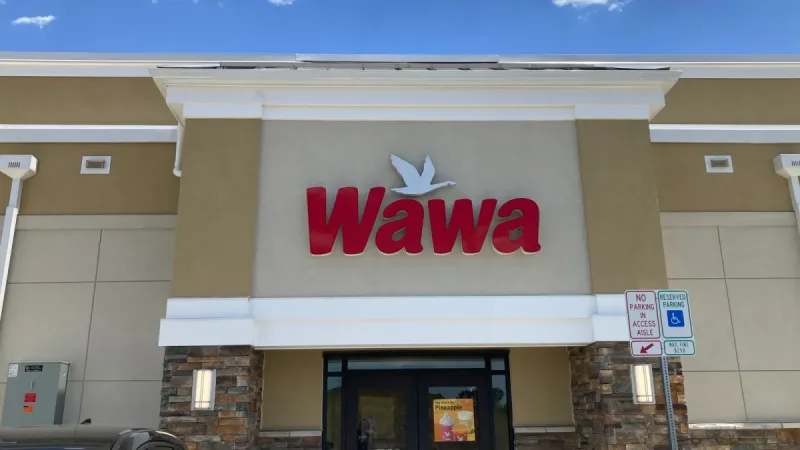
Wawa Elevates Long-Tenured Executive to CIO Role
The convenience store chain has named Bill O'Donnell, a 25-year company veteran, as its new chief information technology officer, putting him in charge of tech strategy, cybersecurity and digital operations.

ServiceNow Debuts Flow, a Conversational Service Desk Built for Speed Over Complexity
ServiceNow is rolling out Flow, a natural language service desk tool that automates employee requests through Slack and Microsoft Teams without requiring a full IT service management overhaul.