Compute Exchange Launches GPU Inventory Tool to Streamline Enterprise Procurement
The GPU marketplace startup is rolling out a new inventory management system that aggregates graphics processing unit availability across more than 100 providers, allowing enterprise buyers to compare capacity, pricing and terms in one place.
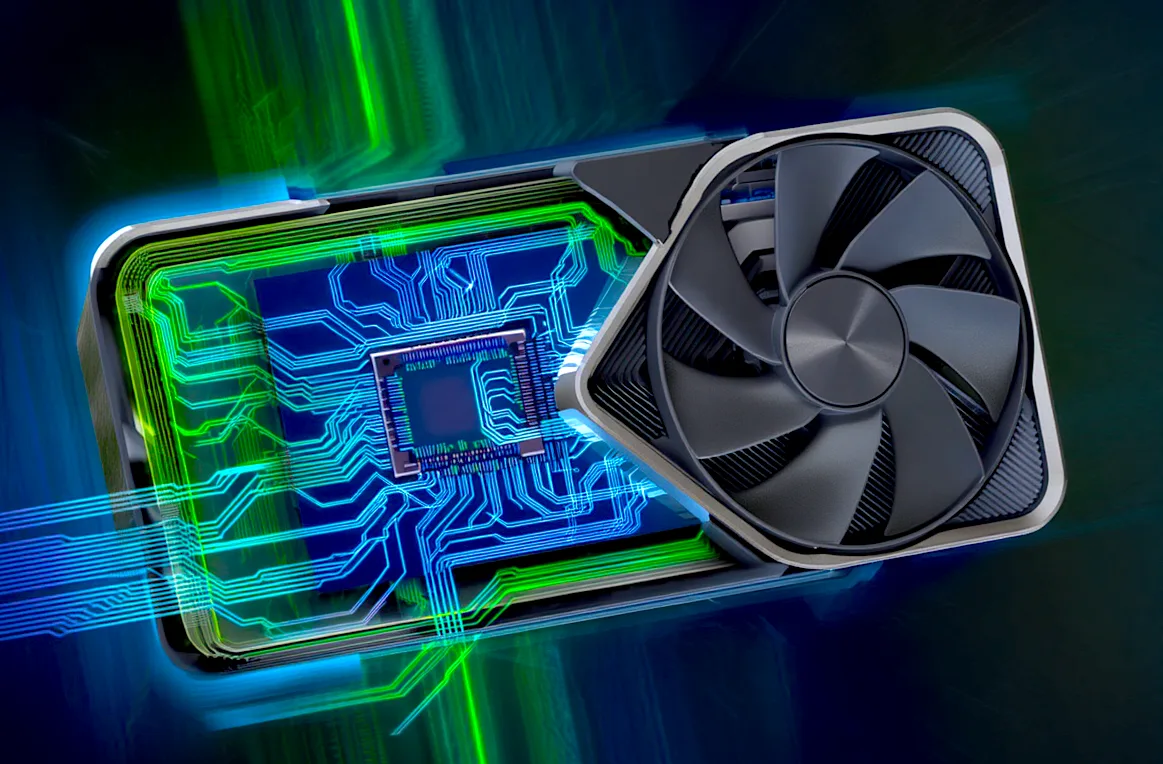
Compute Exchange Inc., which operates a marketplace connecting GPU buyers and sellers, has unveiled a GPU inventory management system designed to provide enterprise purchasers with a unified view of available and future AI computing resources from over 100 vendors.
The capability builds on the company's existing request-for-quotation platform, enabling buyers to examine current stock, reserved capacity and forward inventory while evaluating pricing, technical specifications, geographic locations, service-level agreements and deal terms. The system currently includes major Nvidia Corp. and Advanced Micro Devices Inc. processors such as the H100, H200, B200, A100 and MI series, alongside full server configurations and inference token commitments.
The GPU acquisition landscape has grown substantially more complex as the ecosystem of specialized GPU cloud operators, known as neoclouds, has proliferated. Compute Exchange Chief Executive Carmen Li noted that hundreds of such providers now exist in the market, making side-by-side evaluation extremely difficult.
You don't want to call 400 salespeople and compare specs and negotiate. It's just not efficient.
Carmen Li, Compute Exchange Chief Executive
The company's RFQ service previously directed buyer inquiries to vendors thought to possess suitable capacity. The new inventory feature supplements this by offering searchable listings of both immediately available resources and equipment or services scheduled for future deployment. Purchasers can evaluate multiple suppliers and complete transactions directly on the platform.
Provider data enters the marketplace through application programming interfaces or spreadsheet submissions. Li indicated that Compute Exchange has engaged with more than 100 vendors over the previous 18 months and is onboarding nearly one additional provider daily.
The platform performs verification of providers using know-your-business and know-your-customer procedures. For future capacity, it examines purchase orders and colocation agreements. For existing installations, verification includes chip identification numbers, system configurations, network performance and metrics including floating-point operations and thermal degradation.
We try to verify and give as much information as we can to the users, not just the specs.
Carmen Li
Compute Exchange neither possesses GPUs nor manages data center operations—a distinction Li emphasized eliminates conflicts of interest that could arise when a marketplace also supplies its own inventory. Initially, buyers encounter technical information, performance benchmarks, geographic details, pricing and service commitments associated with each listing, though provider identification remains hidden until a buyer advances specific options for deeper consideration.
Neutrality is the most critical thing. We don't take positions.
Carmen Li
Vendors pay a standard fee only upon successful transaction completion. The inventory feature incurs no supplementary costs. Li disclosed that the company has achieved seven-figure revenue this year and operates profitably. Marketplace requests have ranged from single-node configurations to 20,000-node deployments, though Li noted that constrained supply has limited fulfillment to roughly 40% of RFQ demand.
The platform accommodates reserved and forward GPU contracts, token agreements and secondary transactions involving used hardware. This secondary market enables purchasers to liquidate surplus capacity they no longer require.
Li projected that supply would expand in the coming year but warned that demand might accelerate proportionally. Pricing fluctuates based on processor type, region and contract configuration, reducing the reliability of straightforward price comparisons.
The price is only one indicator. You get the specs, get the [service-level agreements], locations and prices. It's up to you to choose.
Carmen Li
Compute Exchange envisions transitioning from a marketplace model toward a comprehensive exchange incorporating automated matching and spot trading mechanisms. Currently, Li emphasized that the platform's primary advantage lies in reducing the effort buyers expend reaching out to individual providers and conducting separate negotiations, while simultaneously offering sellers an additional outlet for promoting unused or upcoming capacity.
Read more

California Tightens Rules on Robotaxis as Incidents Mount
A new state law sets safety standards and accountability measures for autonomous vehicle operators, requiring local support staff and penalties for blocking emergency responders.
Wawa Elevates Long-Tenured Executive to CIO Role
The convenience store chain has named Bill O'Donnell, a 25-year company veteran, as its new chief information technology officer, putting him in charge of tech strategy, cybersecurity and digital operations.

ServiceNow Debuts Flow, a Conversational Service Desk Built for Speed Over Complexity
ServiceNow is rolling out Flow, a natural language service desk tool that automates employee requests through Slack and Microsoft Teams without requiring a full IT service management overhaul.