Beyond Uptime: Why Black Friday Tests Customer Trust, Not Just Infrastructure
As retailers prepare for peak shopping season, technical reliability alone won't drive conversions. Brands must ensure their communications infrastructure delivers trustworthy, connected experiences across every channel.
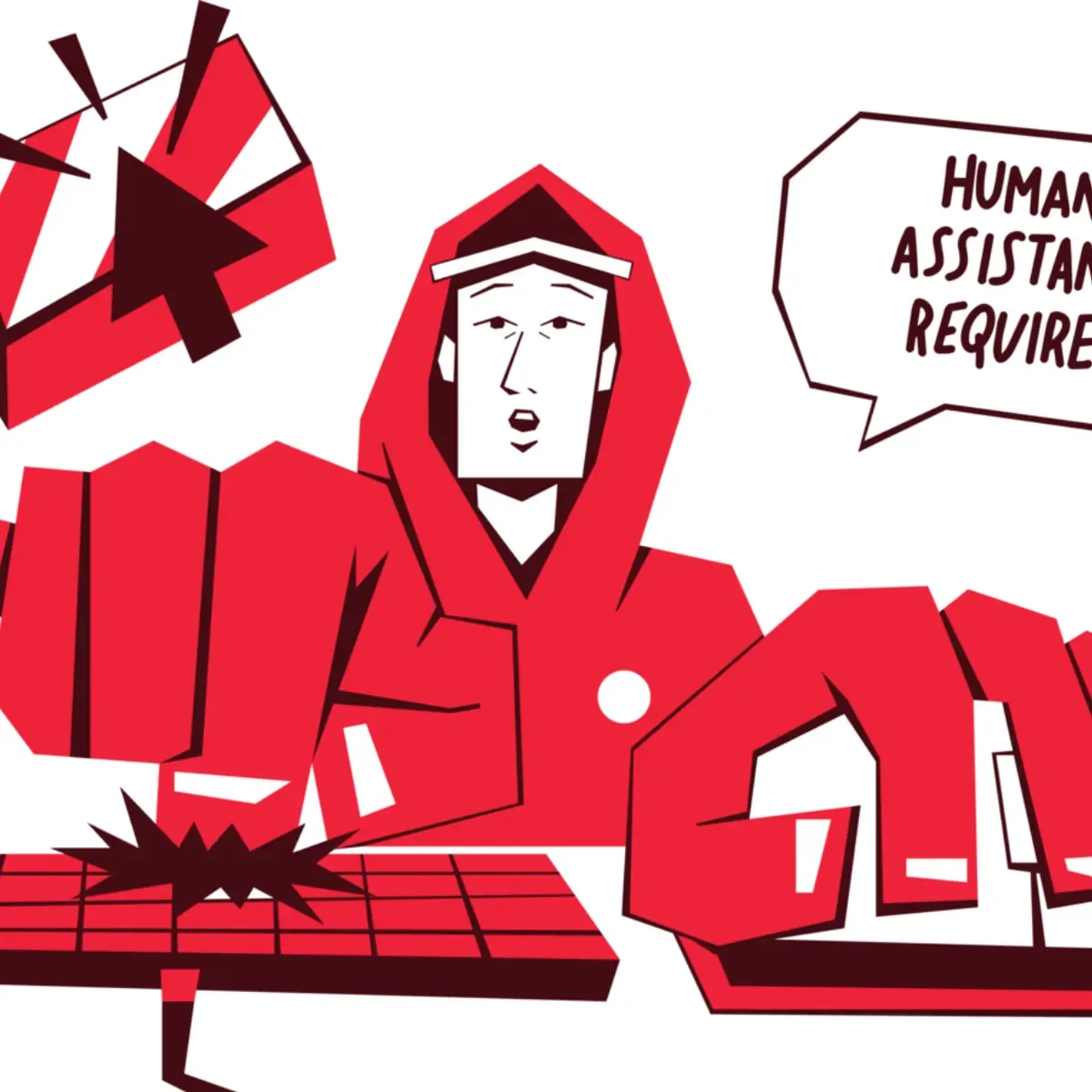
The holiday shopping rush presents a paradox for many retailers. Systems hum along flawlessly, dashboards glow green, and messages flood customer inboxes without interruption. Yet conversions stall. Customers dismiss communications as suspicious, abandon carts when verification codes lag, and grow frustrated when support handoffs between AI and human agents falter. From an infrastructure standpoint, everything works. From a customer experience standpoint, something fundamental breaks down.
This gap reveals what most brands overlook during their Black Friday Cyber Monday readiness planning: the real stress test isn't whether systems survive high volume—it's whether customers trust the experience those systems deliver.
Small problems become catastrophic at scale
On an ordinary Wednesday, a delayed SMS or lost customer context between chat and email represents a minor inconvenience. During Cyber Week, when millions of interactions compress into days, those same friction points cascade into revenue loss. For first-time customers, a single awkward interaction may be enough to prevent them from ever returning.
The problem intensifies when communications channels operate in isolation. Customers perceive their brand experience as unified, regardless of whether SMS, email, WhatsApp, authentication, and support messages originate from separate systems. Research shows 87% of consumers prefer multichannel interactions with brands. Yet offering multiple channels differs fundamentally from weaving them into a coherent experience. Disconnected channels on ordinary days become visibly fractured under peak traffic.
By the time Black Friday arrives, fixing architectural problems becomes nearly impossible. Code freezes lock in place, and swapping communications platforms weeks before the year's largest shopping event isn't feasible. Brands must rely on the infrastructure they've already built.
Uptime metrics miss the customer perspective
Developers measure success through availability and delivery reliability. Marketers track engagement, conversions, and revenue. These metrics address different dimensions of the same experience, yet both matter equally. A flawlessly delivered message that customers distrust becomes a technical win but a business loss.
Behind each seemingly straightforward customer interaction during peak season, multiple systems verify identities, route time-sensitive messages, and synchronize customer data across channels while absorbing traffic surges. Customers should never perceive this complexity. They don't care how many systems enable their experience—they simply expect it to work.
From the customer's vantage point, reliability means:
- Meeting them on their preferred channels without compromising consistency or quality
- Retaining their history and context across channels so switching between SMS and chat doesn't reset the conversation
- Handling traffic spikes and technical disruptions invisibly, with automatic message rerouting and real-time adaptation that keeps communications flowing
Customers don't contemplate uptime percentages. They expect every interaction to be fast, effortless, and seamless.
Trust requires intentional design
Holiday inboxes overflow with promotions, shipment alerts, and order updates. Brands must cut through the noise while convincing customers their messages are legitimate, not fraudulent. Reputation alone cannot overcome these obstacles. Trust must be embedded into every communication so customers can instantly distinguish genuine messages from spam.
Protect customers and preserve marketing budgets
When holiday budgets demand measurable returns, wasted spending on fraudulent traffic becomes unacceptable. In 2025, Twilio Verify Fraud Guard blocked over 1.3 billion fraud attempts, saving enterprises more than $160 million in unnecessary messaging costs. Automated fraud detection and verification solutions protect legitimate interactions while eliminating wasteful expenditure.
Make your brand instantly recognizable
Few people answer calls from unknown numbers, click links in texts from unfamiliar senders, or open suspicious-looking emails. Black Friday might represent a customer's first encounter with a brand, but verified sender checkmarks, custom branding, and logos can establish immediate legitimacy and confidence.
Research from Twilio demonstrates the impact of trustworthy communications:
- 75% of consumers who received a branded text reported increased trust in the message
- Brands migrating from SMS to RCS achieved 29% higher conversion rates and 38% higher average order values
- 42% of consumers make repeat purchases from brands using trustworthy communication methods
Branded channels including RCS, branded calling, and WhatsApp Business, combined with identity measures like BIMI, STIR/SHAKEN, and A2P 10DLC registration, help customers recognize legitimate communications. First impressions matter—customers should think "I know this brand," not "Is this a scam?"
Build for trust, not just traffic
Retailers best positioned for peak season possess infrastructure that withstands extraordinary demand while simultaneously protecting customers, connecting interactions across channels, and ensuring every message radiates legitimacy.
Maintaining communications during peak season represents the baseline expectation. Converting that reliability into business results requires earning customer confidence. While Black Friday serves as the ultimate stress test, the infrastructure that passes it should perform year-round. The same qualities that matter when traffic peaks—reliability, continuity, security, and trust—define what customers expect from every interaction.
Rather than building communications infrastructure that merely survives Black Friday, construct systems that cultivate customer trust throughout the year. Let the holiday season demonstrate that your architecture delivers.
Read more

Equifax Slashes Database Support Tickets by Moving Oracle Billing System to AWS
The credit bureau migrated its massive billing database to Oracle Autonomous AI Database on AWS, eliminating the need for query tuning and cutting daily support workload from 15-20 tickets to just one or two per month.

Four Core Qualitative Research Methods for Understanding User Behavior
Usability testing, user interviews, field studies, and diary studies form the foundation of qualitative research in UX. Each method answers different questions about how people behave, what they need, and why they make the choices they do.
Superhuman Rebrands From Grammarly, Launches Personal AI Agent Across Productivity Suite
The company formerly known as Grammarly has unveiled an expanded Go platform featuring a customizable personal AI assistant that operates across its entire product lineup, alongside new agentic capabilities in Docs and Mail.