Apple's 2026 Lineup Pivots to Foldables and Health Tech, Leaving Familiar Upgrades Behind
The iPhone Duo marks Apple's entry into the foldable market years after rivals, while new health sensors and a variable-aperture camera reshape the Pro lineup.
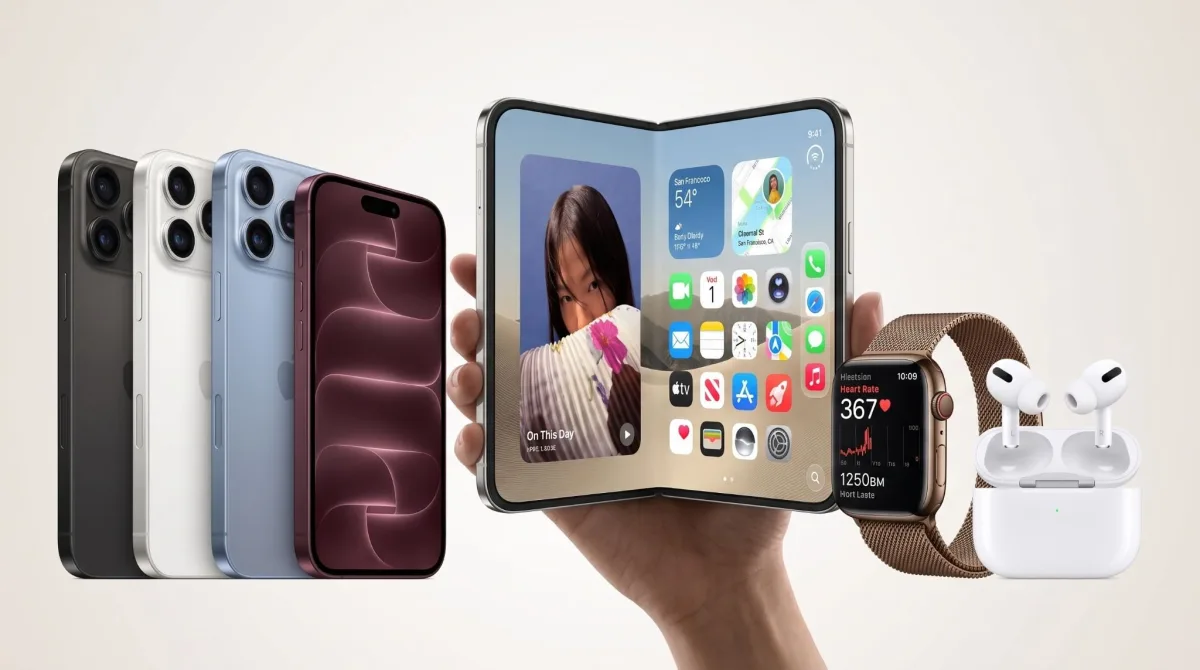
Apple's fall showcase delivered a departure from its typical annual rhythm of incremental improvements. While the iPhone Duo—the company's first folding smartphone—grabbed headlines, the real story may lie in the health monitoring capabilities arriving across its wearable ecosystem. This year's announcements forced buyers to choose between proven, iterative upgrades and experimental first-generation technology.
iPhone Duo: Apple's first fold
The centerpiece of Apple's event is the iPhone Duo, a foldable device featuring a 7.6-inch interior screen and a 5.4-inch exterior display. Both screens maintain identical aspect ratios, allowing content to scale smoothly without distortion. In its closed state, the phone resembles a passport; when opened, Apple contends it represents the thinnest iPhone ever manufactured.
The company emphasized its integration of hardware and software to justify the foldable concept. "iPhone Duo is the most transformational change to iPhone since the original," stated John Ternus, Apple's CEO, further noting that it "redefines what it means to use a foldable phone."
Powering the device is the A20 Pro chip paired with dual batteries and a custom vapor chamber designed to manage heat during intensive gaming or multitasking. The hinge comprises over 100 components reinforced with titanium, Ceramic Shield glass, and carries an IP68 rating for water and dust resistance—a direct response to durability concerns that have plagued folding phones since their introduction.
Camera capabilities include features tailored to the foldable format. Smart Take leverages on-device AI to capture photos when subjects are posed, while Duo Preview displays a live feed on the outer screen for those being photographed. A feature called Kid Cue displays Peanuts animations on the exterior display to encourage young children to look toward the camera.
iOS 27 reorganizes navigation controls to the screen edges on both displays, preserving vertical space. The iPhone Duo supports Split View, enabling two apps to operate simultaneously on an iPhone for the first time. When placed flat, an enhanced StandBy mode converts it into a photo display or widget interface.
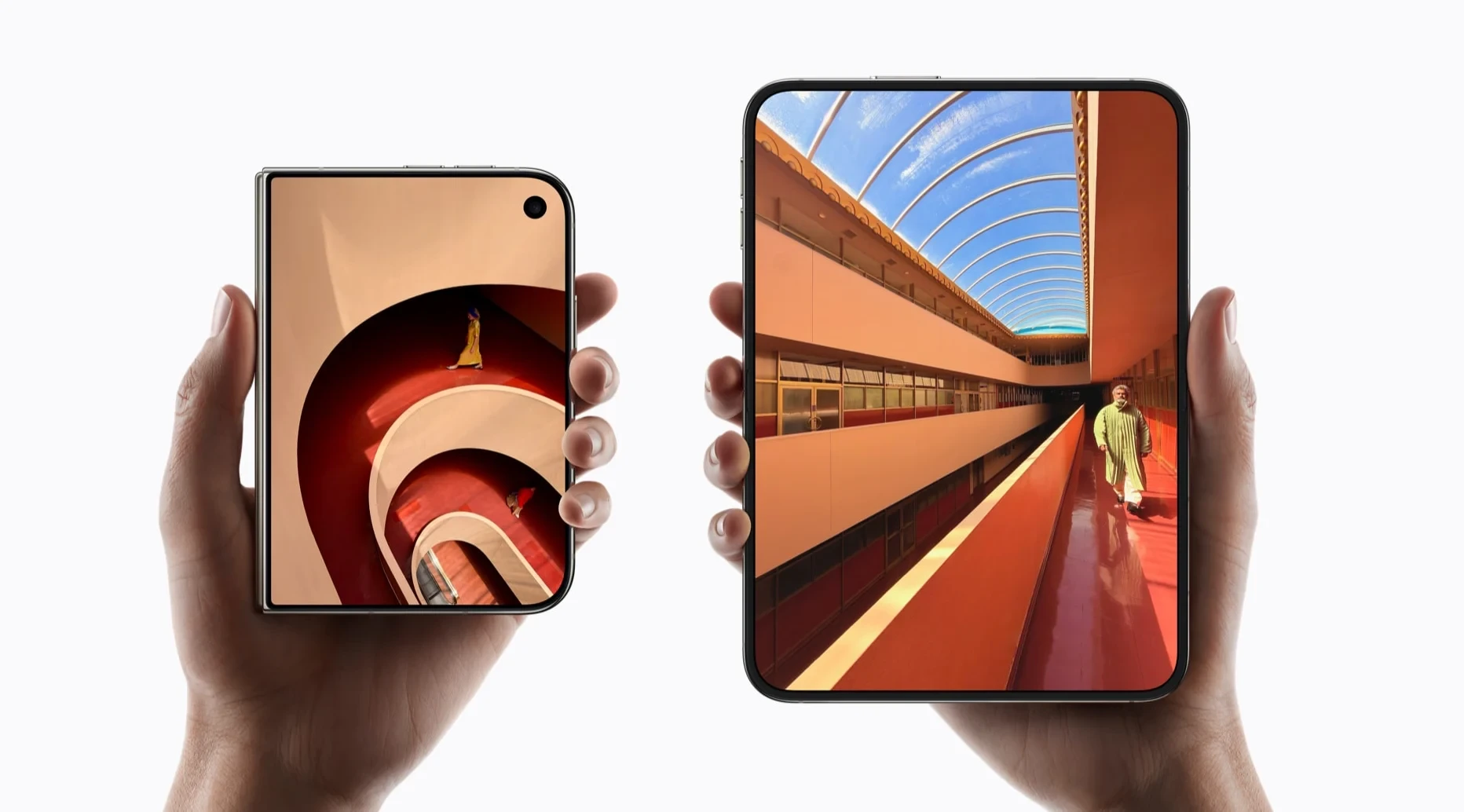
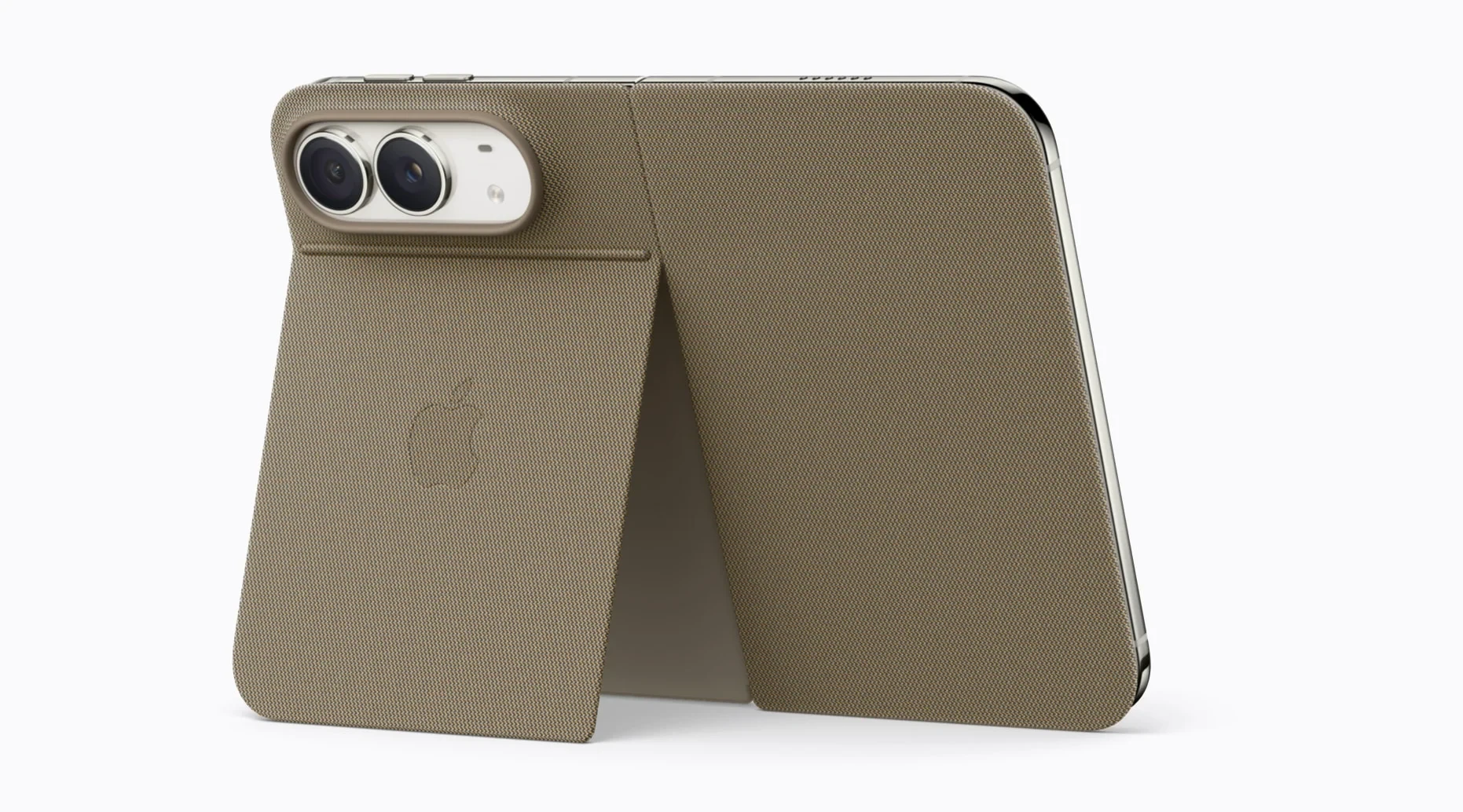
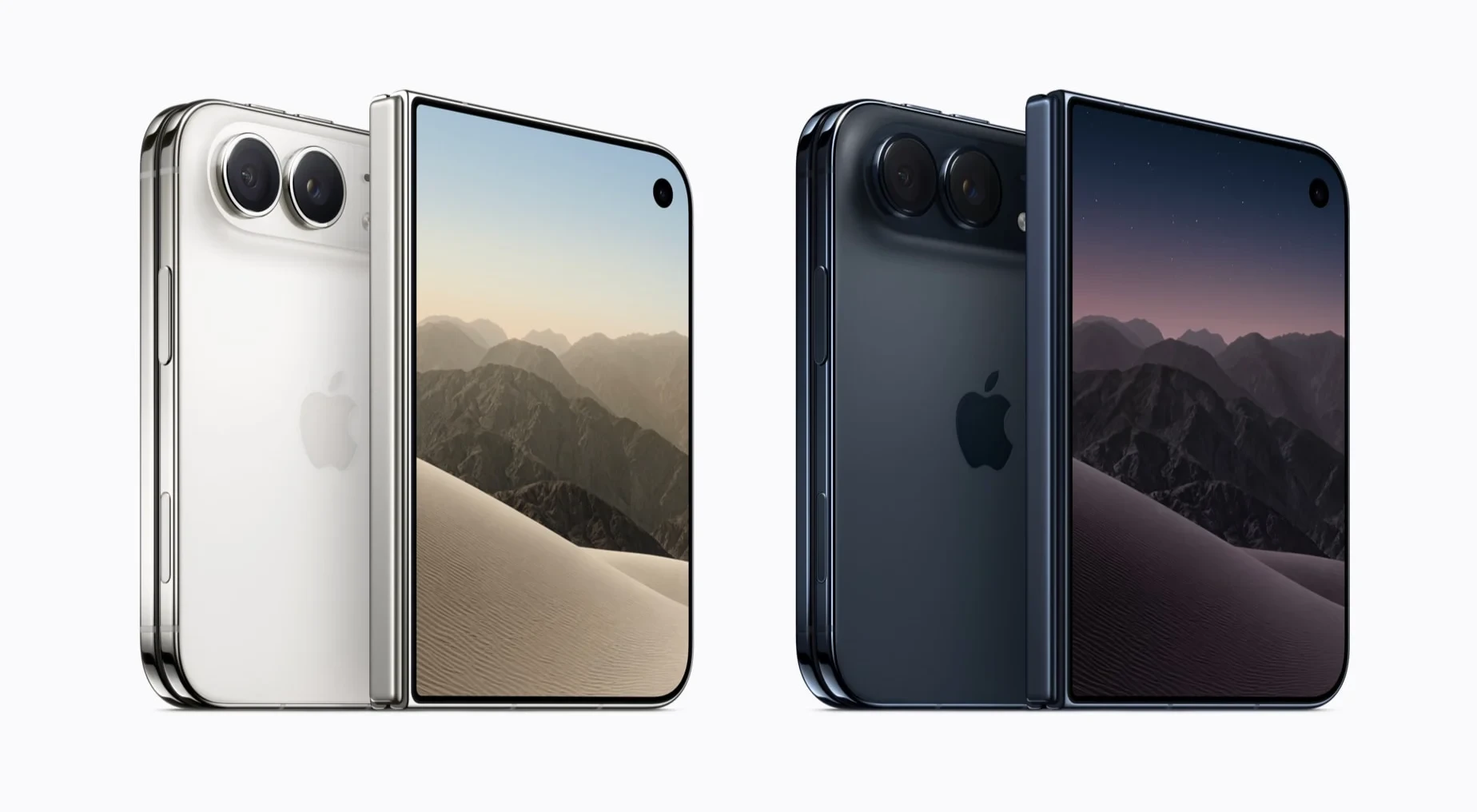
Video playback estimates span 24 to 44 hours depending on active screen, with 50% charge achieved in approximately 20 minutes via wired connection. The device operates exclusively on eSIM and launches in star white and night sky colorways at $1,999 for 256GB storage. Preorders commence October 16, with retail availability beginning October 23.
Apple selected a passport-oriented form factor rather than the taller, narrower designs competitors employ. Its 5.4-inch outer display creates a more compact profile than many competing book-style foldables, though real-world portability will depend on folded thickness and weight.
iPhone 18 Pro and Pro Max: A camera that adjusts its own aperture
The traditional Pro models introduce variable aperture, a first for iPhone. Six laser-cut blades mechanically open and close to regulate exposure and depth of field, borrowing conceptually from professional camera design.
Greg Joswiak, Apple's senior vice president of Worldwide Marketing, characterized the feature as democratizing photography. "iPhone 18 Pro makes it easy for anyone to capture stunning photos and videos using variable aperture, while providing more versatility for creators and more control for pros," he explained.
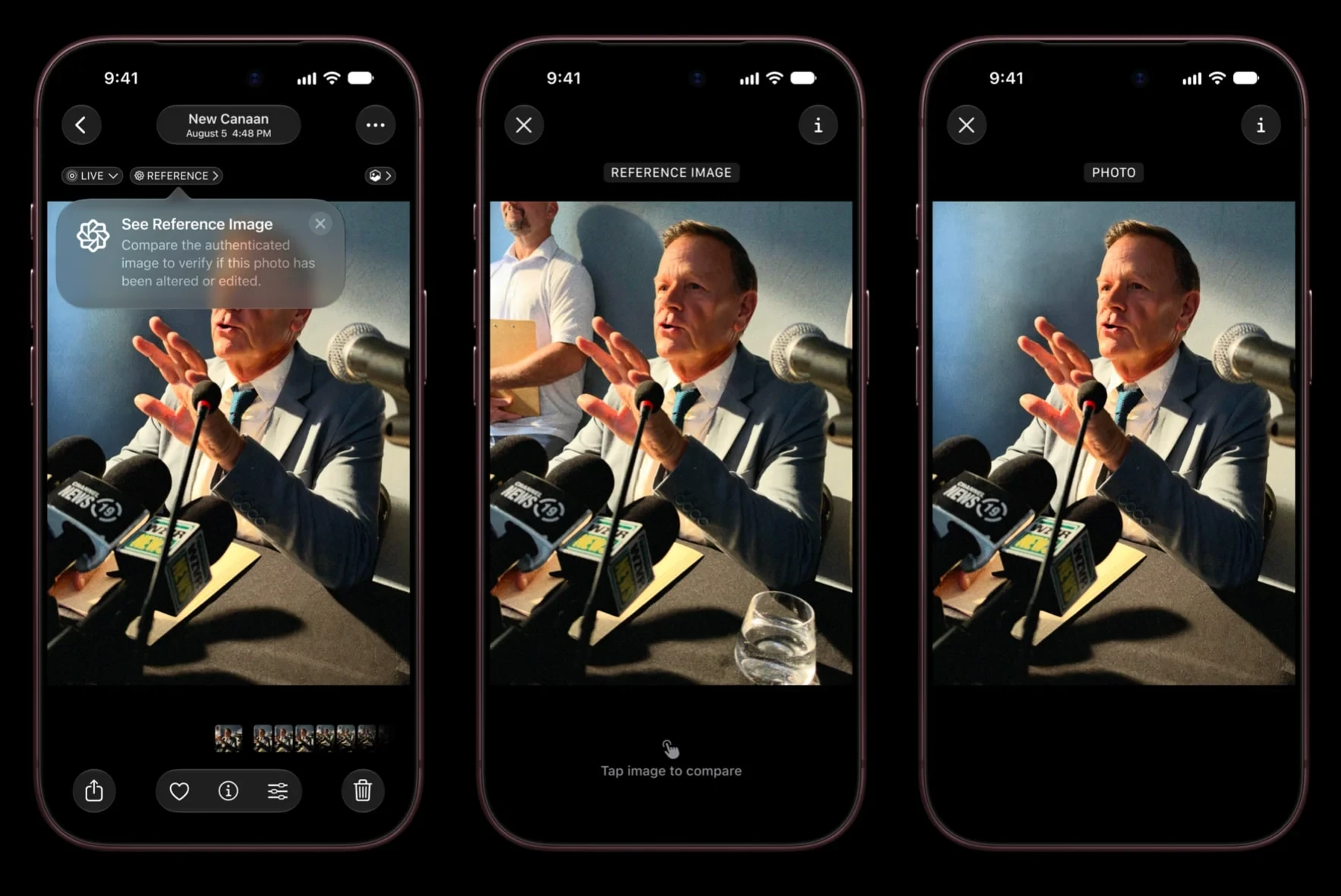
Apple Reference Image works with the enhanced camera sensor to generate a tamper-evident "digital negative" for compatible photos, addressing growing concerns about AI-manipulated and synthetic imagery. Users can directly compare edited versions against original reference images within the Photos application.
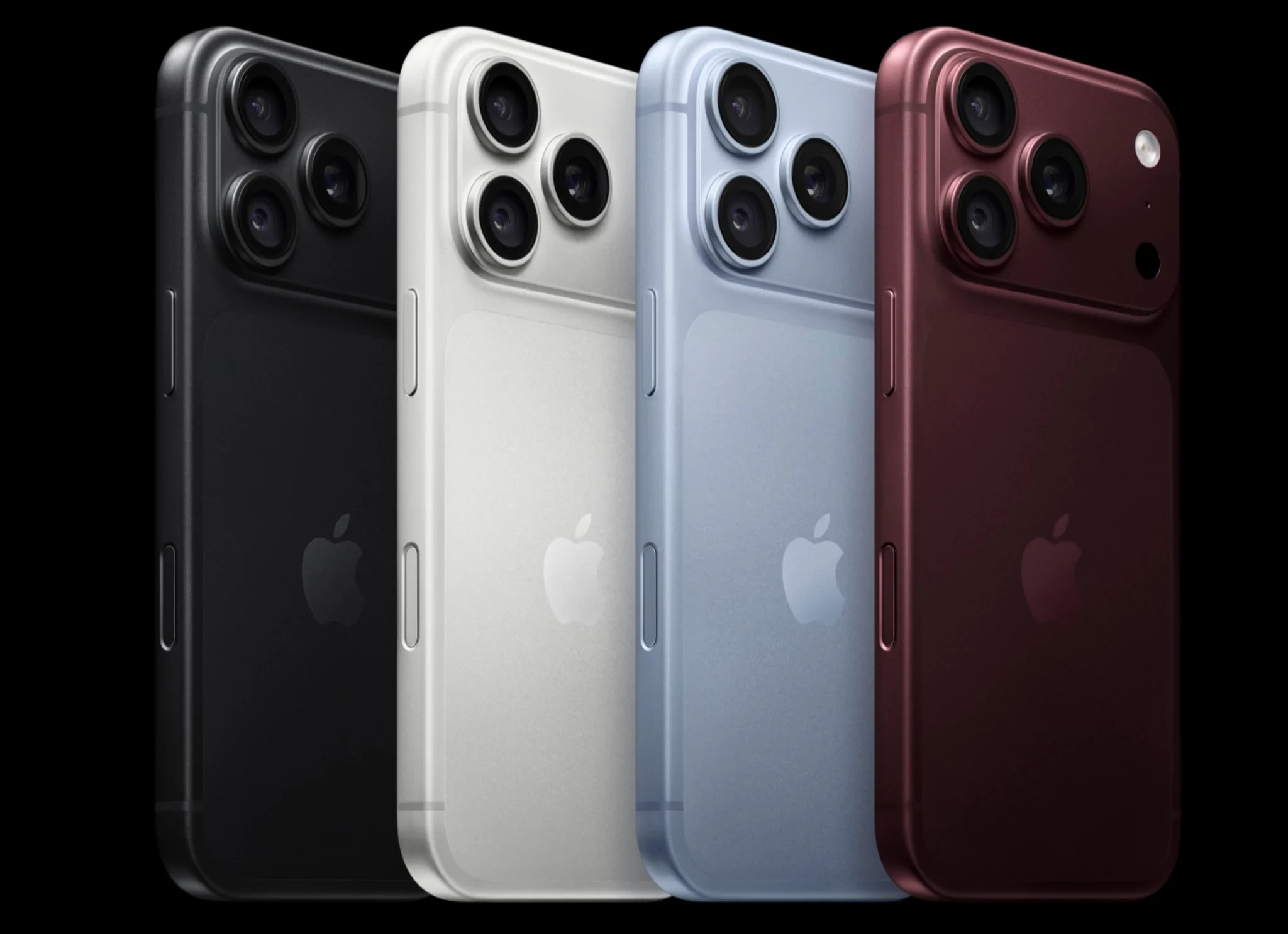
Both models incorporate the A20 Pro chip alongside a redesigned vapor chamber delivering up to 40% improved sustained performance compared to its predecessor. The Dynamic Island now accommodates three Live Activities simultaneously.
Battery performance shows substantial gains—the Pro Max achieves up to 45 hours of video playback, representing what Apple describes as the largest single-generation battery improvement in iPhone history.
Available in black, silver, glacier, and a new burgundy option, the iPhone 18 Pro begins at $1,199, while the Pro Max starts at $1,299. Preorders open September 12, with in-store availability September 18—five weeks before the iPhone Duo launches.
AirPods 5: Noise cancellation comes to the cheap earbuds
Apple's entry-level earbuds received a meaningful refresh. AirPods 5 now include Active Noise Cancellation throughout Apple's budget open-ear lineup, extending a capability previously limited to the pricier ANC variant of AirPods 4 and the AirPods Pro range. The new acoustic design blocks up to 50% additional noise compared to ANC-equipped AirPods 4.
"We're thrilled that with AirPods 5, we're able to bring Active Noise Cancellation — one of our most beloved features — to our most affordable AirPods," said Dave Pakula, Apple's vice president of Hardware Engineering.
The earbuds introduce Live Translation and hands-free Siri AI access, permitting users to respond through head gestures rather than physical contact with the earbuds.
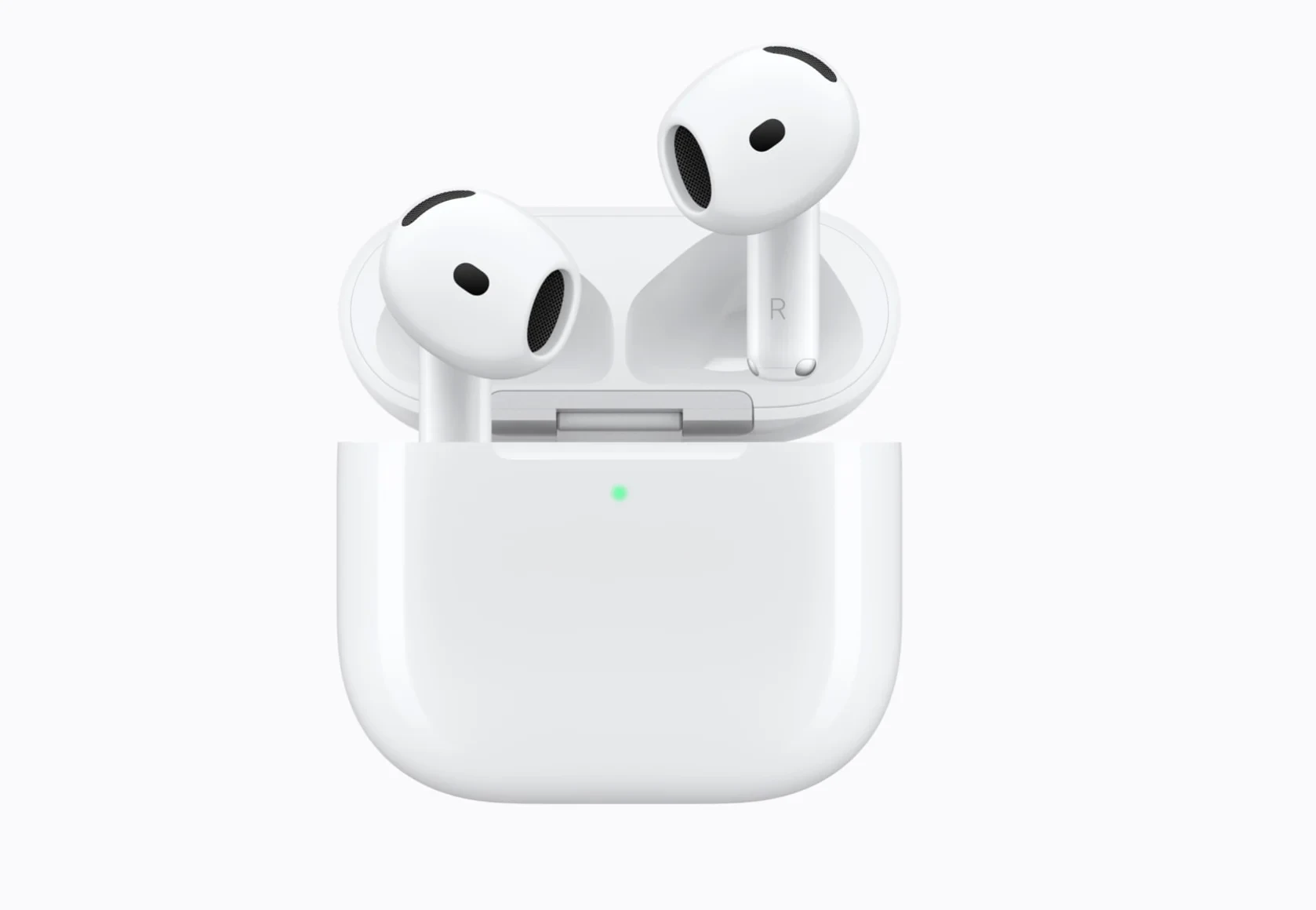
Standard AirPods 5 retail for $129; a variant with wireless charging case and stem-based volume control costs $149. Both are available for preorder immediately, arriving in stores September 18.
Apple Watch Series 12: A sensor overhaul, not just a new case
Apple Watch Series 12 introduces a Health Sensing System combining new optical and electrical heart sensors with the S11 chip. The system captures background heart-rate data every five seconds throughout the day, exceeding previous models' measurement frequency outside workout sessions. Heart rate variability, an indicator of stress and recovery, now registers up to 24 times more frequently.
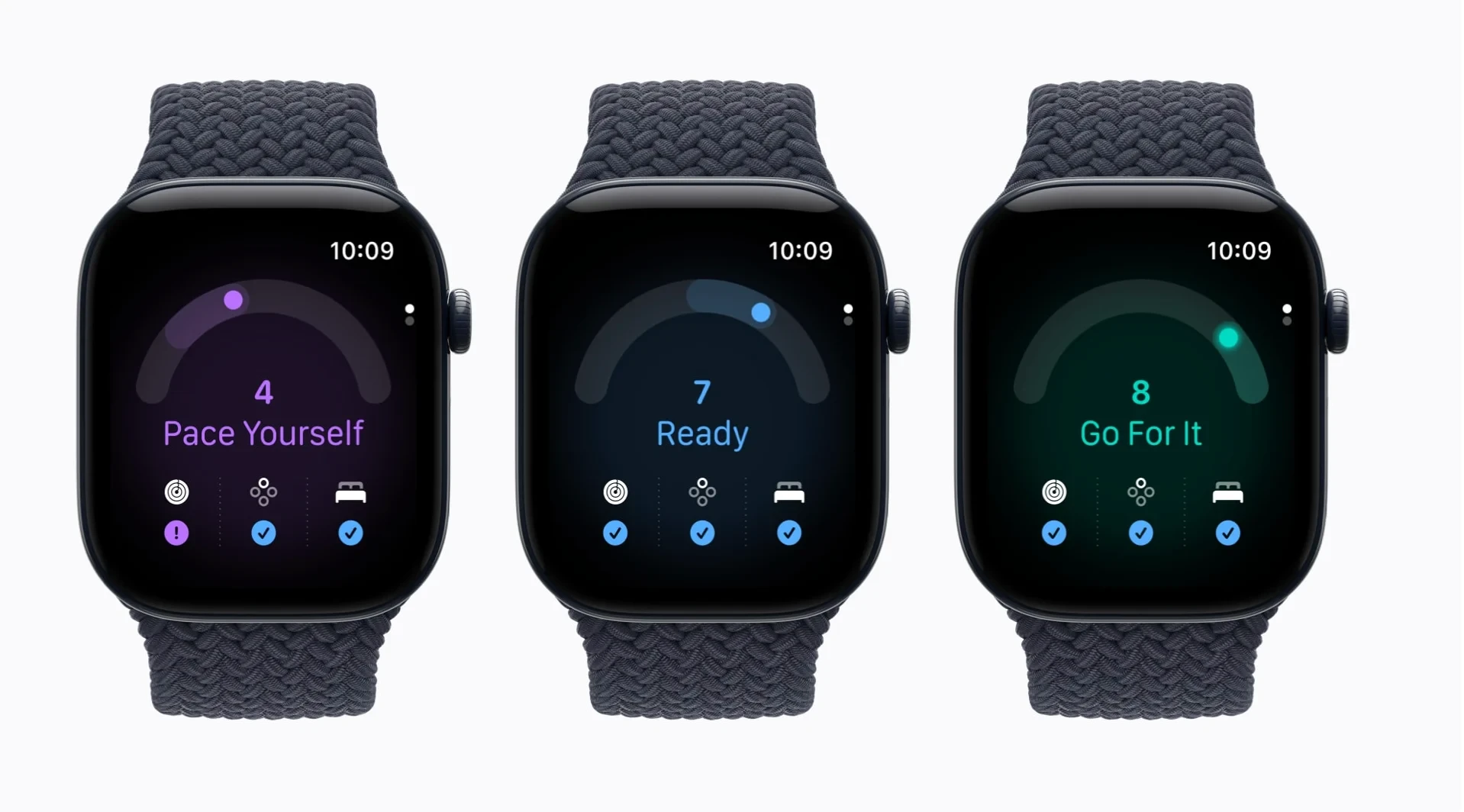
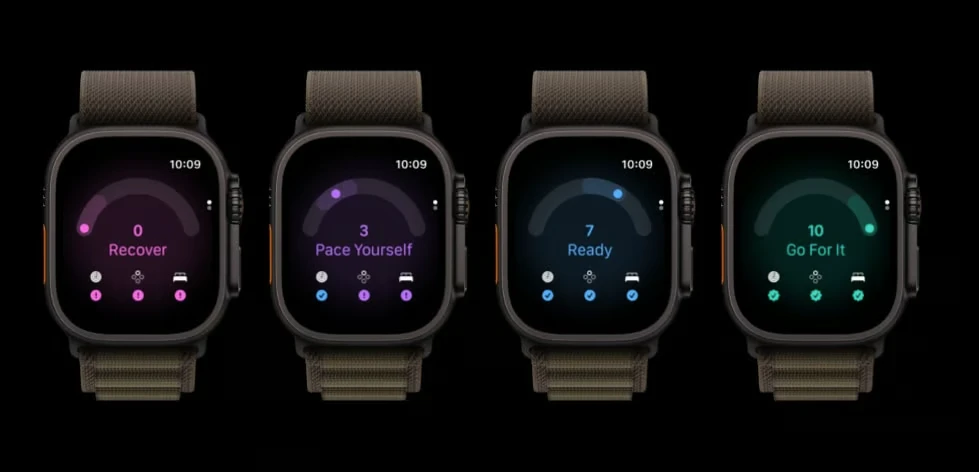
This data informs a new readiness feature—a daily 0-10 score paired with plain-language guidance: Recover, Pace Yourself, Ready, or Go For It. Recommendations derive from recent activity, training load, vitals, and sleep patterns.
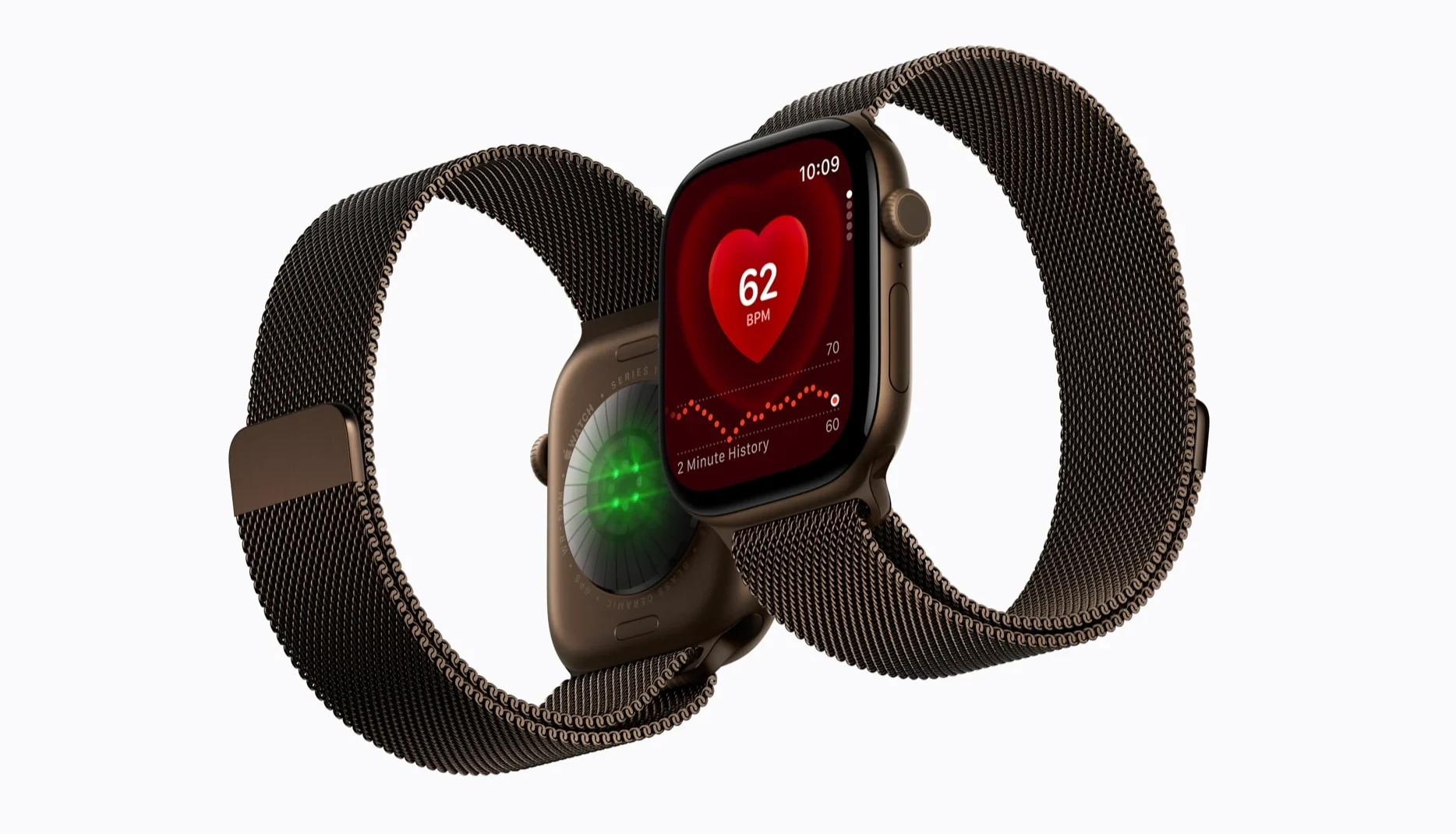
Kaiann Drance, Apple's vice president of Worldwide Apple Watch Product Marketing, positioned it as a practical tool. "With our new Health Sensing System and S11 chip, Apple Watch Series 12 gives you meaningful insights, like readiness, so you can better understand how to take on your day and care for your health," she stated.
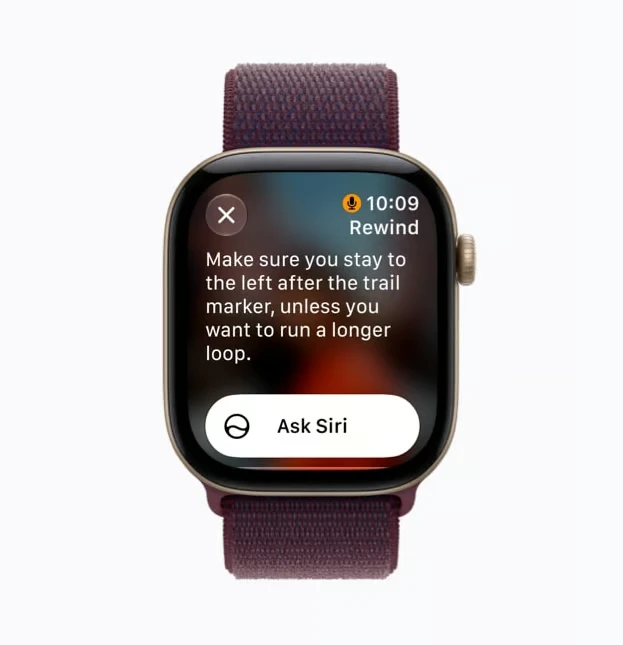
Audio Intelligence capabilities include Live Rewind, which transcribes the previous 15 seconds of nearby conversation, Siri Recap for auto-generated conversation summaries, and Sound Recognition for deaf and hard-of-hearing users. Apple processes audio on-device and immediately deletes it through a hardware-isolated component called Secure Exclave.
Series 12 comes in aluminum, titanium, and a new ceramic finish, starting at $399, with daily battery life reaching 24 hours and outdoor workout duration up to 10 hours.
Apple Watch Ultra 4: More battery, same rugged mission
The adventure-focused watch inherits the Health Sensing System and S11 chip from Series 12 while extending battery performance—up to 50 hours during daily use and 45 hours in a new Max Extended Workout mode. Apple positions this as sufficient for tracking 100-mile races while maintaining second-by-second GPS logging.
"The new Health Sensing System and S11 chip take Apple Watch Ultra 4 — our most rugged and capable Apple Watch — to the next level, delivering longer battery life, faster charging, and the most accurate heart rate sensing in a wearable," Drance remarked.
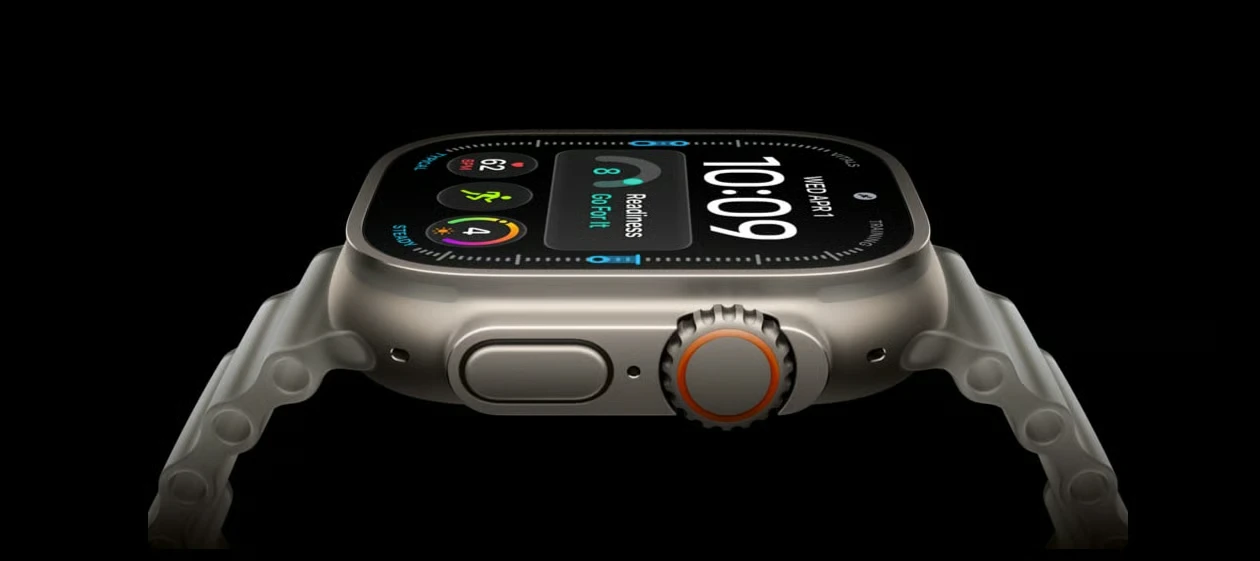
Charging speed improves as well: 15 minutes of charging delivers 18 hours of battery capacity. The watch maintains its titanium construction in natural and black finishes, priced from $799.
Redesigned Health App: An app that tries to explain you to yourself
Perhaps the least prominent yet most ambitious announcement involves a redesigned Health app arriving on iPhone later this year. It introduces a Longevity tab centered on a Health Age score, comparing Apple Watch metrics—VO2 max, resting heart rate, sleep, HRV—against chronological age. Users may also incorporate lab results such as A1c and LDL cholesterol.
Dr. Sumbul Desai, Apple's vice president of Health and Fitness, connected the update to Apple's preventive health agenda. "By combining breakthrough sensing on Apple Watch with Apple Intelligence in the Health app, we're able to translate complex biometric data into clear guidance for users," she explained.
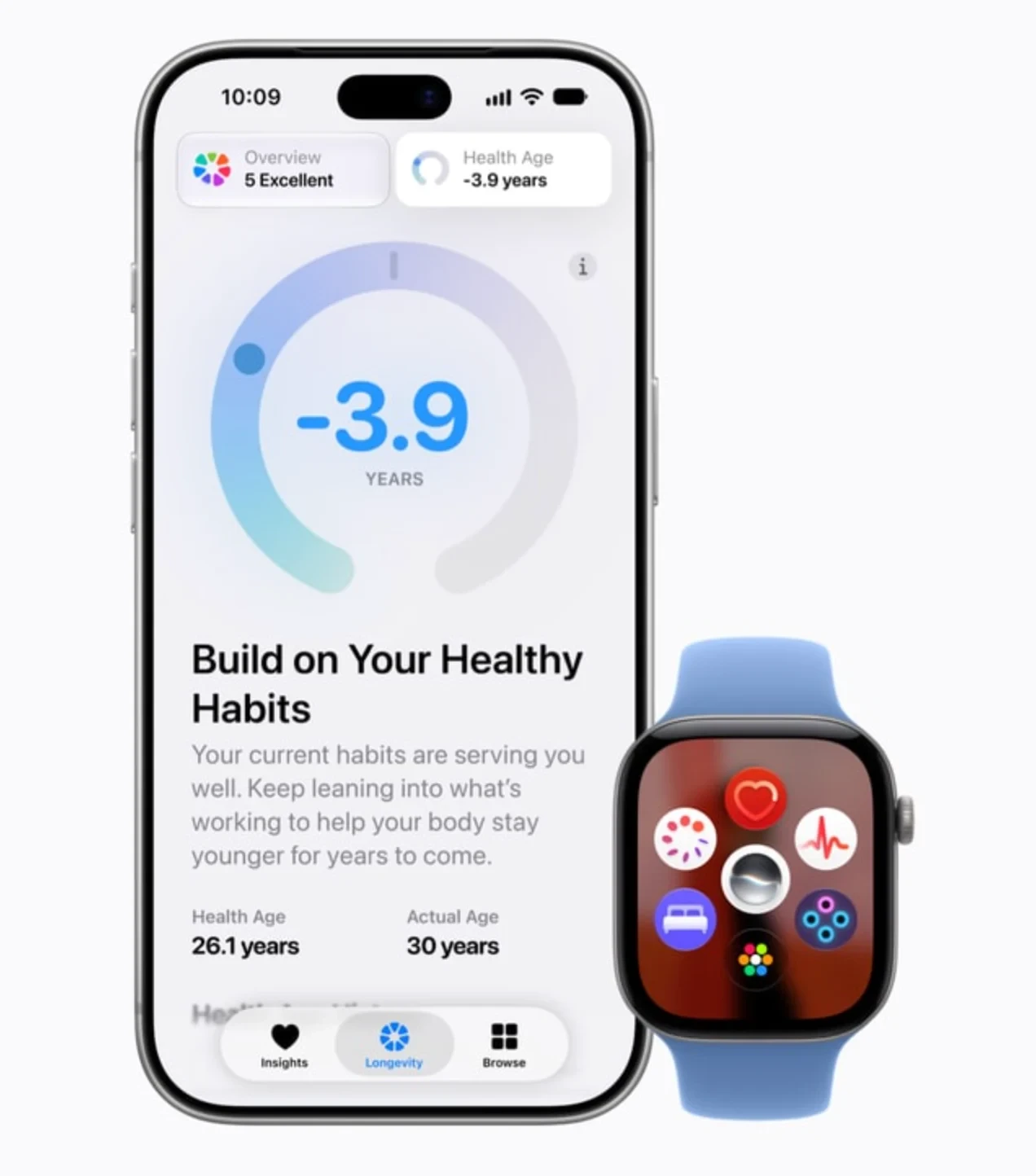
The app enables users to schedule lab tests—covering more than 50 biomarkers for $119—through roughly 2,000 Quest Diagnostics locations across the United States. At-home movement evaluations utilize the iPhone camera to measure flexibility, balance, and strength without storing video. Cycle Tracking now formally supports perimenopause and menopause, with notifications for users 40 and older whose logged patterns suggest the transition may be underway.
Pricing and availability at a glance
- iPhone 18 Pro/Pro Max: From $1,199/$1,299; preorders begin Sept. 12, in stores Sept. 18
- AirPods 5: $129, or $149 with a wireless charging case; preorders open now, in stores Sept. 18
- Apple Watch Series 12: From $399; preorders open now, in stores Sept. 18
- Apple Watch Ultra 4: From $799; preorders open now, in stores Sept. 18
- iPhone Duo: From $1,999; preorders begin Oct. 16, in stores Oct. 23
- Redesigned Health app: Arriving later this year, initially in US English
What it means for buyers
The purchasing calculus remains largely unchanged for most consumers. iPhone 18 Pro and Pro Max stay the logical premium choice, delivering faster processing, extended battery life, and a genuinely useful variable aperture camera system.
iPhone Duo represents a wager on foldable technology's future—suited for those desiring tablet-scale screens in pocket-sized form, yet carrying uncertainties inherent to any first-generation folding device, including screen creasing and hinge longevity concerns. Its $800 premium over the standard Pro Max adds to the risk calculus.
Apple's durability assertions—titanium frames, reinforced glass, IP68 protection—directly counter concerns raised by earlier folding devices from competitors. However, confirming hinge reliability demands years of actual consumer usage.
On health features, readiness scoring and Health Age metrics offer genuine value for those already monitoring recovery data. Yet these additions push Apple Watch deeper into health interpretation and wellness recommendations, raising questions about data privacy and whether users might treat algorithmic guidance as medical counsel.
The most conservative upgrades remain the proven iPhone Pro and Apple Watch lines. The Duo delivers the most dramatic transformation but its $1,999 cost and unproven long-term durability warrant waiting for independent testing rather than purchasing based solely on Apple's technical specifications.
Read more

California Tightens Rules on Robotaxis as Incidents Mount
A new state law sets safety standards and accountability measures for autonomous vehicle operators, requiring local support staff and penalties for blocking emergency responders.

Wawa Elevates Long-Tenured Executive to CIO Role
The convenience store chain has named Bill O'Donnell, a 25-year company veteran, as its new chief information technology officer, putting him in charge of tech strategy, cybersecurity and digital operations.

ServiceNow Debuts Flow, a Conversational Service Desk Built for Speed Over Complexity
ServiceNow is rolling out Flow, a natural language service desk tool that automates employee requests through Slack and Microsoft Teams without requiring a full IT service management overhaul.