Apple's $100 Price Hike on Older iPhones Breaks a Decades-Old Shopping Strategy
Following the launch of the iPhone 18 Pro and iPhone Duo, Apple raised prices across its entire previous-generation lineup, upending the traditional advantage of waiting for new releases.
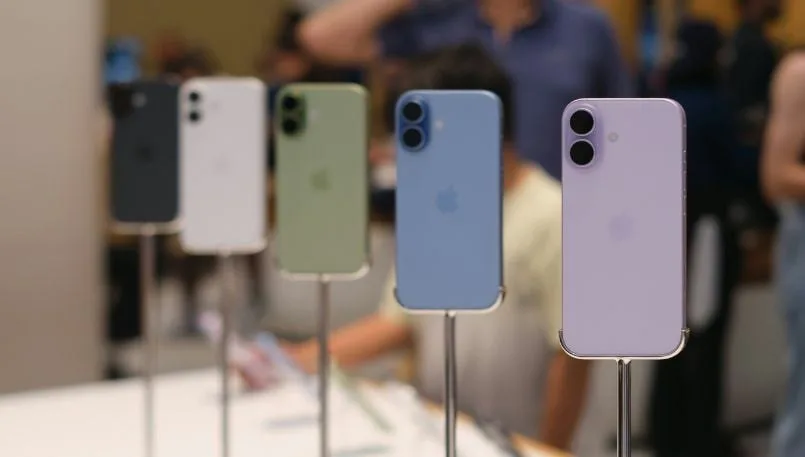
Apple's 'Surprise and Shine' event delivered an unexpected jolt to consumers: the company has increased prices on all remaining older iPhone models by $100 each, a move that contradicts the usual post-launch pricing pattern.
The price adjustments took effect immediately after Wednesday's unveiling of the iPhone 18 Pro and Apple's inaugural foldable device, the iPhone Duo. The iPhone 16 returned to its original $799 launch price after having been marked down to $699. The budget-focused iPhone 17e climbed from $599 to $699. Starting prices for the standard iPhone 17 moved to $899, while the iPhone Air reached $1,099. Apple has discontinued the iPhone 17 Pro and Pro Max entirely.
This pricing shift upends conventional wisdom for cost-conscious shoppers. Historically, purchasing an older iPhone model after a new release would yield meaningful savings. This year's dynamic reversed that advantage entirely.
Why it's happening
The increases stem from mounting memory expenses as the industry grapples with a worldwide shortage of DRAM and flash storage.
Former Apple CEO Tim Cook had already signaled this possibility. During a June conversation with The Wall Street Journal, Cook cautioned about unavoidable pricing pressures ahead.
We're doing our best to mitigate the huge increases that are being passed to us, and we've been trying to shield our customers from the increases, but the situation has become unsustainable.
Tim Cook
Cook characterized the crisis as resembling a "hundred-year flood." Mac and iPad pricing had already been adjusted upward before the company extended the increases to iPhones.
Consumers outside the United States face steeper increases. In India, certain models have jumped by approximately 20%, according to Business Today, substantially exceeding the $100 U.S. adjustment.
This development breaks a longstanding consumer expectation. New iPhone launches traditionally made previous-generation devices more affordable—a benefit for price-sensitive buyers. That dynamic no longer holds true.
Apple's Upgrade program, which divides payments into monthly installments, may ease the psychological impact, though the total cost remains the same. Interestingly, the AirPods Pro 3 maintained its $249 price point, likely because the product contains no integrated memory.
What it means for you
Those anticipating price drops on the iPhone 16 or iPhone 17 following Apple's newest announcement will find that strategy no longer produces the expected discounts. Consumers now confront three primary options: absorb the higher cost, utilize Apple's financing and upgrade programs, or extend the lifespan of their existing device.
The critical question ahead involves whether memory expenses decline sufficiently for Apple to reverse these increases. Without such relief, the conventional wisdom to delay an iPhone purchase until after a new launch has lost much of its reliability.
Apple's 2026 product lineup centers on the $1,999 iPhone Duo foldable, alongside the iPhone 18 Pro, AirPods 5, and updated Apple Watch models.
Read more
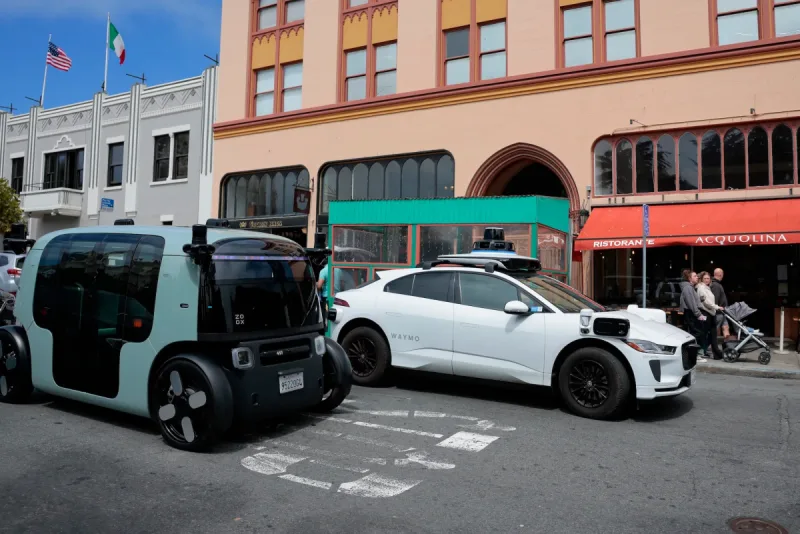
California Tightens Rules on Robotaxis as Incidents Mount
A new state law sets safety standards and accountability measures for autonomous vehicle operators, requiring local support staff and penalties for blocking emergency responders.

Wawa Elevates Long-Tenured Executive to CIO Role
The convenience store chain has named Bill O'Donnell, a 25-year company veteran, as its new chief information technology officer, putting him in charge of tech strategy, cybersecurity and digital operations.

ServiceNow Debuts Flow, a Conversational Service Desk Built for Speed Over Complexity
ServiceNow is rolling out Flow, a natural language service desk tool that automates employee requests through Slack and Microsoft Teams without requiring a full IT service management overhaul.