Apple Internally Debates Dropping MagSafe From Future iPhones
A tech leaker reports that Apple is reconsidering whether to keep MagSafe as a standard feature on upcoming models, citing space constraints and cost pressures.
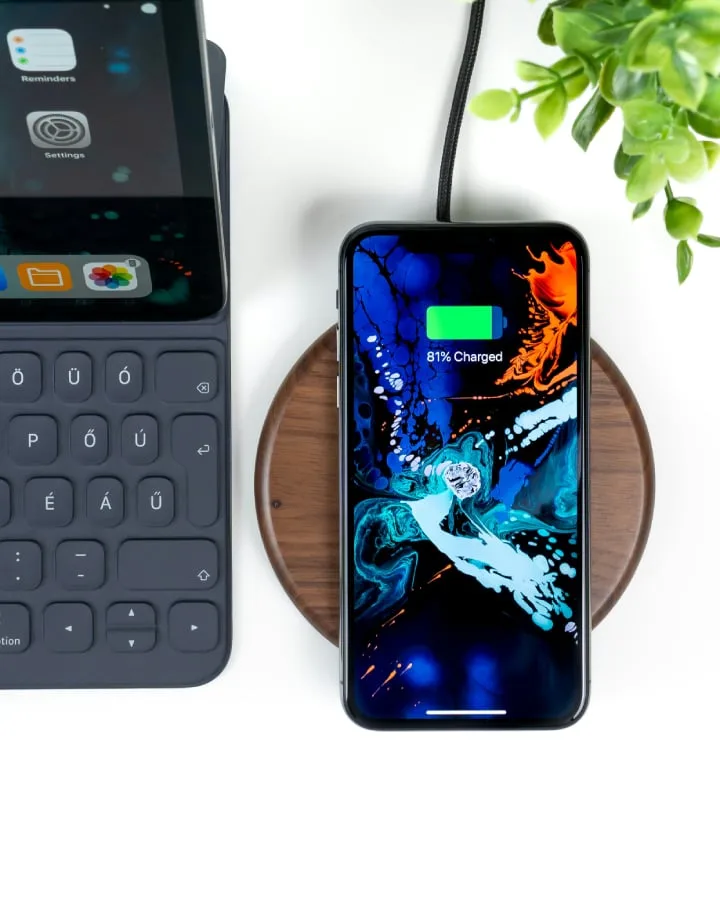
One of Apple's signature technologies is facing an uncertain future within the company's walls. According to Instant Digital, a prominent tech leaker on Weibo, Apple engineers and executives are engaged in contentious discussions over the future of MagSafe—the magnetic ring system that has become central to iPhone design since its debut.
The magnetic charging system has won over millions of users who depend on its convenience for wireless chargers and magnetic accessories. Yet sentiment at Apple headquarters has shifted markedly from enthusiasm to doubt. "There has been a lot of controversy within Apple recently over whether iPhones [should] come standard with MagSafe magnets," the leaker wrote.
This internal conflict is not entirely unexpected, though tensions are escalating. When MagSafe debuted alongside the iPhone 12 in 2020, Apple embraced the technology wholeheartedly. The company even explored incorporating magnets into iPad models, though those plans never materialized despite years of development and speculation.
Apple has already tested a future without MagSafe. The iPhone 16e, positioned as an affordable option, eliminated the magnetic system entirely last year—a decision that drew swift criticism from both consumers and tech reviewers who found themselves limited to conventional wired charging or unreliable wireless charging pads.
The company appeared to respond to this feedback by restoring MagSafe to the iPhone 17e, which launched earlier this year. Yet the latest leak suggests that this reversal may prove temporary.
Why ditch a fan favorite?
The motivation behind potentially abandoning MagSafe boils down to practical engineering and financial considerations. Magnetic components consume precious space within a device's internal structure. As Apple pursues designs that approach a seamless glass aesthetic, every fraction of a millimeter becomes critical. The anticipated foldable iPhone Ultra, expected to measure just 4.5mm when unfolded, presents an especially tight constraint.
Prototype units of the foldable model show no accommodation for a MagSafe array, suggesting it could become the first premium iPhone in years to ship without magnets. Manufacturing expenses also play a role. With component costs—particularly memory chips—rising, eliminating the magnetic coil represents a straightforward method for reducing production expenses.
The Qi2 dilemma
A decision to phase out MagSafe would have consequences extending well beyond Apple's product line. The company previously transferred its magnetic technology specifications to the Wireless Power Consortium, enabling the creation of Qi2—a universal charging standard that essentially made MagSafe the baseline for Android devices as well.
Should Apple reduce its commitment to MagSafe, the company could shift responsibility for magnetic functionality to third-party case manufacturers, following the model established by iPhone 16e users.
The internal deliberations continue without resolution. The iPhone 18 Pro, anticipated to arrive this autumn, is still projected to retain MagSafe magnets.
Read more

California Tightens Rules on Robotaxis as Incidents Mount
A new state law sets safety standards and accountability measures for autonomous vehicle operators, requiring local support staff and penalties for blocking emergency responders.

Wawa Elevates Long-Tenured Executive to CIO Role
The convenience store chain has named Bill O'Donnell, a 25-year company veteran, as its new chief information technology officer, putting him in charge of tech strategy, cybersecurity and digital operations.

ServiceNow Debuts Flow, a Conversational Service Desk Built for Speed Over Complexity
ServiceNow is rolling out Flow, a natural language service desk tool that automates employee requests through Slack and Microsoft Teams without requiring a full IT service management overhaul.