Science Corporation Reaches $3.5B Valuation on $400M Series D for Brain-Interface Technology
Max Hodak's medical technology firm has secured major backing from Khosla Ventures and other investors to advance its vision restoration device and develop direct brain-computer interfaces.
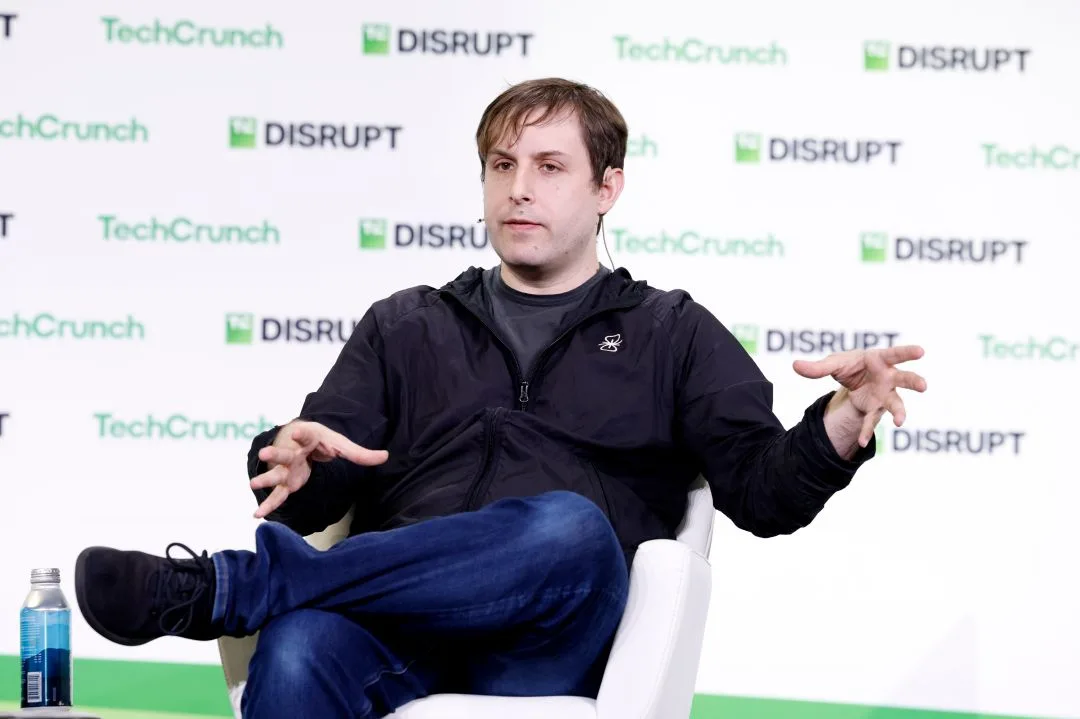
Science Corporation, a medical technology company established by Max Hodak following his departure from Neuralink in 2021, has completed a $400 million Series D funding round, according to an announcement made through the company's blog. The investment values the firm at $3.5 billion, according to sources with knowledge of the transaction.
The funding round drew participation from Khosla Ventures, the Ackman Oxman Institute, Tenet Healthcare, 885 Capital, Y Combinator, and PLC Neurotech. Hodak, whose career in biotechnology began when he secured entry into a graduate neuroscience program as an undergraduate, launched Science Corporation to harness emerging technologies for understanding and interfacing with the brain.
The company's initial offering is PRIMA, a device combining wearable and implantable components designed to restore vision in individuals with age-related macular degeneration. The technology has received regulatory clearance in Europe and is currently accessible to patients in Germany, with ongoing trials exploring additional medical applications.
During a presentation at TechCrunch Disrupt, Hodak revealed that PRIMA is entering clinical trials for Stargardt disease, a separate condition causing blindness. Science Corporation intends to pursue United States market access via the FDA's Humanitarian Device Exemption pathway, which permits use of experimental medical devices for treating rare conditions. The company has successfully argued to regulators that advanced macular degeneration affecting both eyes qualifies as sufficiently uncommon to warrant approval for domestic use.
Beyond its current vision restoration work, Science Corporation's core mission centers on establishing direct connections to the human brain through a bio-hybrid sensor combining cultured neurons with silicon components. The organization is currently preparing initial human trials of this technology in collaboration with Yale neurosurgery professor Murat Günel, who indicated to TechCrunch that the approach could potentially address Parkinson's disease alongside other neurological conditions and brain injuries.
Read more

Silicon Valley faces rising threat from intelligence operatives using romance and friendship as cover
As alleged honey-trap schemes targeting tech executives gain attention, security experts warn that founders and employees across the industry remain dangerously unprepared for social engineering attacks designed to extract valuable corporate secrets.

Science's $400M Neurotech Round Tops Week of Major Funding Announcements
A brain-computer interface startup led this week's funding activity, with eight other U.S. companies securing nine-figure rounds as market momentum persists despite recent tech stock volatility.
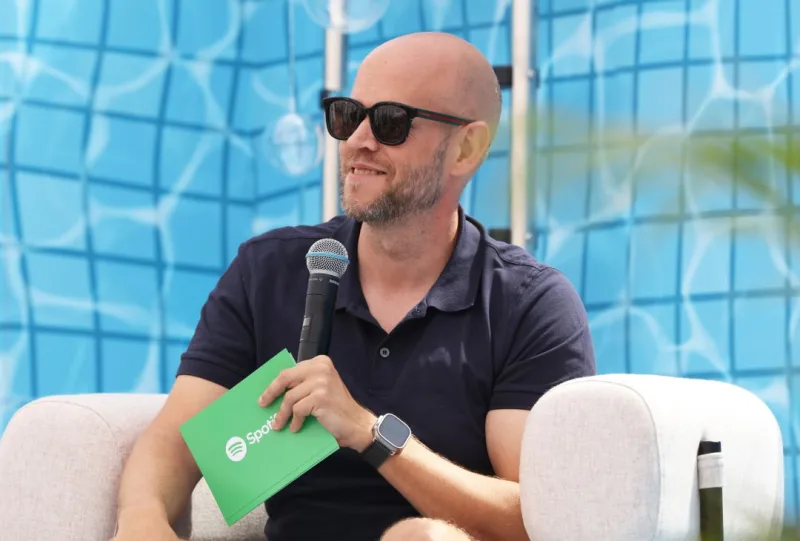
Spotify's Daniel Ek Invests in Europa Fusion, an AI Researcher's Bet on Simulation-First Power
Nantas Nardelli, a machine learning veteran from Google DeepMind and Microsoft Research, has launched a fusion startup backed by Spotify founder Daniel Ek. His approach diverges from hardware-heavy competitors by prioritizing simulation and data.