Silicon Valley faces rising threat from intelligence operatives using romance and friendship as cover
As alleged honey-trap schemes targeting tech executives gain attention, security experts warn that founders and employees across the industry remain dangerously unprepared for social engineering attacks designed to extract valuable corporate secrets.
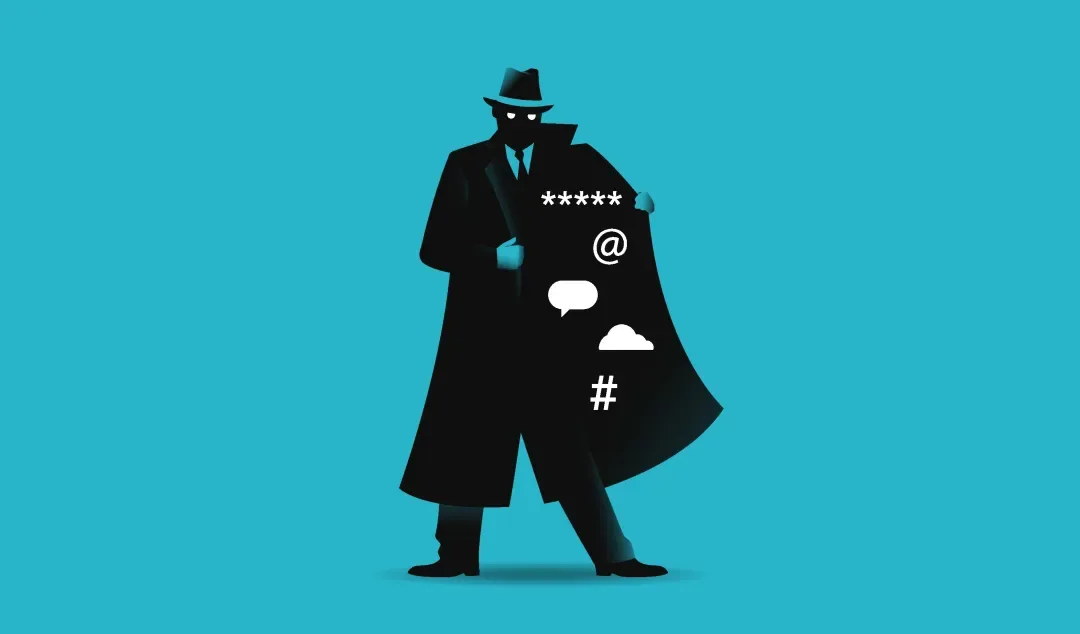
The technology sector is grappling with a vulnerability that has long plagued government and military officials but has largely escaped the attention of corporate leadership. Aaron Brown, a former senior CIA officer now running the software firm Lumbra, identifies a critical gap in how the industry operates: "Nobody briefs founders on counterintelligence," he told TechCrunch.
Historically, honey traps—schemes in which operatives pose as romantic or friendly contacts to extract sensitive information—have targeted politicians, military personnel, and intelligence officials who receive formal training to recognize such approaches. The landscape has shifted dramatically. Brown notes that today's most sensitive assets reside within technology companies developing chips, AI models, and infrastructure. "A spy wants what the CEO can touch. The roadmap, the export decisions, the customer list, who gets the technology. The CEO is the shortest path to all of it," he explains.
The alleged involvement of Nvidia Chief Executive Jensen Huang in such a scheme has brought the issue into sharp focus. Huang has been accused of having an affair with Alice Huang, a former executive at a Singapore-based neocloud company who faces allegations of being a Chinese intelligence operative and of facilitating the smuggling of billions of dollars in restricted Nvidia chips into China.
While the Huang case has dominated headlines, the threat extends far beyond individual executives. OpenAI began alerting employees about outsiders attempting to gain access to company secrets through personal relationships, according to reporting by the Wall Street Journal. Anyone holding access to confidential information—board members, executive assistants, engineers—can become a target.
Contrary to popular perception, romance is not the primary mechanism. Brown emphasizes that friendship represents the oldest and most effective approach. Operatives gain proximity to targets by positioning themselves as investors, customers, recruiters, or consultants. Their inquiries appear legitimate and require no romantic involvement. "They need you to feel comfortable talking," Brown said. "They last longer because nobody's looking."
Perry Carpenter, a cybercrimologist and chief deception strategist at KnowBe4, highlights the paradox at the heart of the problem: "Why fight through a firewall when you can get close to the person who can open doors, influence decisions, or make requests nobody wants to question?"
Technology has dramatically accelerated the execution of such schemes. What once required months or years of preparation—researching targets, developing convincing personas, and executing elaborate plans—can now be accomplished in weeks. Artificial intelligence enables rapid target research, generation of fake social media profiles, fabricated professional backgrounds, and even synthetic voice communications.
"AI can help sustain an entire fictional backstory," Carpenter noted. "The technology helps set the stage, but the deception ultimately plays out through human relationships."
Brown observes that the AI industry "became a national security industry faster than its culture caught up." Once a target realizes they have been compromised, attackers possess leverage for blackmail and further coercion.
Recognizing and defending against the threat
Carpenter recommends beginning with pattern recognition. Watch for "coincidental encounters that happen a little too often," he suggests. Warning signs include persistent questioning about work and colleagues, requests for secrecy around meetings, and pressure to facilitate introductions or share information.
More serious red flags emerge when requests escalate in scope, pushing boundaries of what feels appropriate. Brown proposes a straightforward test: "Would this person still be around if you lost your job tomorrow?"
Carpenter advocates for establishing clear separation between personal and professional spheres. Within organizations, he recommends eliminating what he calls "executive exceptionalism"—the assumption that rules and protocols don't apply to senior leaders.
Company culture itself plays a protective role. Environments where employees feel empowered to raise concerns, question unusual requests, and report potential threats create natural defenses. "One of the most dangerous security cultures is one where nobody feels comfortable questioning the CEO," Carpenter said.
Brown emphasizes that founders must continue taking calculated risks and pursuing legitimate business opportunities. "Paranoia doesn't help. Recognizing you're a target does."
Read more

Science's $400M Neurotech Round Tops Week of Major Funding Announcements
A brain-computer interface startup led this week's funding activity, with eight other U.S. companies securing nine-figure rounds as market momentum persists despite recent tech stock volatility.
Spotify's Daniel Ek Invests in Europa Fusion, an AI Researcher's Bet on Simulation-First Power
Nantas Nardelli, a machine learning veteran from Google DeepMind and Microsoft Research, has launched a fusion startup backed by Spotify founder Daniel Ek. His approach diverges from hardware-heavy competitors by prioritizing simulation and data.

Bending Spoons Acquires Mailchimp From Intuit for $3.68 Billion
The Italian software company has purchased the email marketing platform from Intuit, which paid roughly $12 billion for it just three years earlier.