Spotify's Daniel Ek Invests in Europa Fusion, an AI Researcher's Bet on Simulation-First Power
Nantas Nardelli, a machine learning veteran from Google DeepMind and Microsoft Research, has launched a fusion startup backed by Spotify founder Daniel Ek. His approach diverges from hardware-heavy competitors by prioritizing simulation and data.
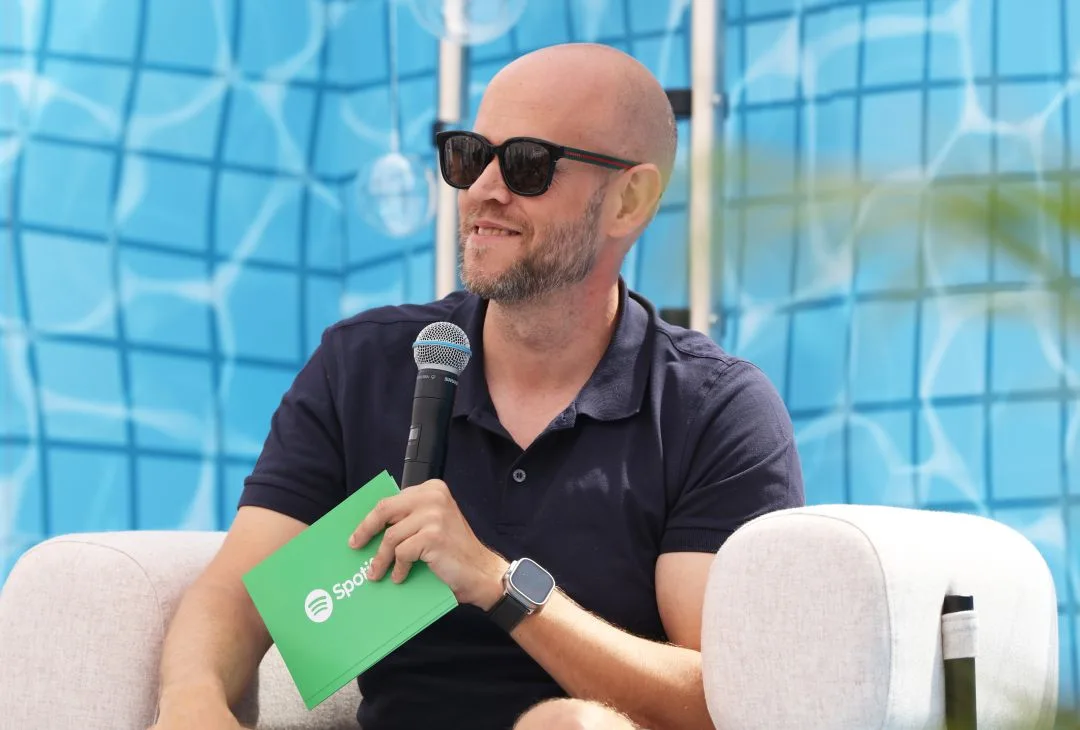
Spotify founder Daniel Ek is now backing Europa Fusion, a secretive fusion energy company established by an artificial intelligence researcher pursuing an unconventional path to building a fusion reactor. Founded in February, the London-based firm represents a departure from traditional fusion development strategies, according to sources who requested anonymity due to the confidential nature of the venture. Bloomberg initially disclosed Ek's investment in the company.
The startup's founder, Nantas Nardelli, brings substantial credentials from the AI sector. His career includes positions at Google DeepMind, Facebook AI Research, and Microsoft Research Cambridge. Most recently, he served as head of machine learning at Pacific Fusion, a Fremont-based fusion startup that has recently begun construction on a demonstration site in New Mexico.
Nardelli's departure from Pacific Fusion appears rooted in a fundamental disagreement about development strategy. While Pacific Fusion, like most fusion ventures of comparable scale, emphasizes physical hardware and testing equipment to validate concepts and refine computational models, Nardelli advocated for a different direction. According to someone with knowledge of his perspective, he believes fusion companies should prioritize simulation and data-driven methodologies rather than hardware-centric approaches.
Europa Fusion will pursue the same pulsed-power fusion method as Pacific Fusion. In this approach, enormous electrical pulses delivered with precise timing compress fuel targets to such extreme densities that atomic nuclei fuse and release energy.
Fusion energy represents a potentially transformative power source for the future, though no commercial fusion facility has yet delivered electricity to the electrical grid. Should fusion technology achieve commercial viability, it could supply vast quantities of carbon-free electricity using nearly inexhaustible fuel sources. The technology could also help address concerns surrounding the energy demands of artificial intelligence systems.
The prospect of fusion as a climate solution appears to have motivated Nardelli's transition away from AI research. On his website, he explained his reasoning: "My original background is in electronics and control engineering. I used to build robots for a living. One day I'll be back to that, but it's time to fix climate change for good."
Read more

Silicon Valley faces rising threat from intelligence operatives using romance and friendship as cover
As alleged honey-trap schemes targeting tech executives gain attention, security experts warn that founders and employees across the industry remain dangerously unprepared for social engineering attacks designed to extract valuable corporate secrets.

Science's $400M Neurotech Round Tops Week of Major Funding Announcements
A brain-computer interface startup led this week's funding activity, with eight other U.S. companies securing nine-figure rounds as market momentum persists despite recent tech stock volatility.

Bending Spoons Acquires Mailchimp From Intuit for $3.68 Billion
The Italian software company has purchased the email marketing platform from Intuit, which paid roughly $12 billion for it just three years earlier.