Noise Raises $5.5M to Scale Micro-Creator Marketing Platform
The startup connects brands with everyday content creators rather than traditional influencers, paying creators per view and helping brands run campaigns across thousands of people simultaneously.
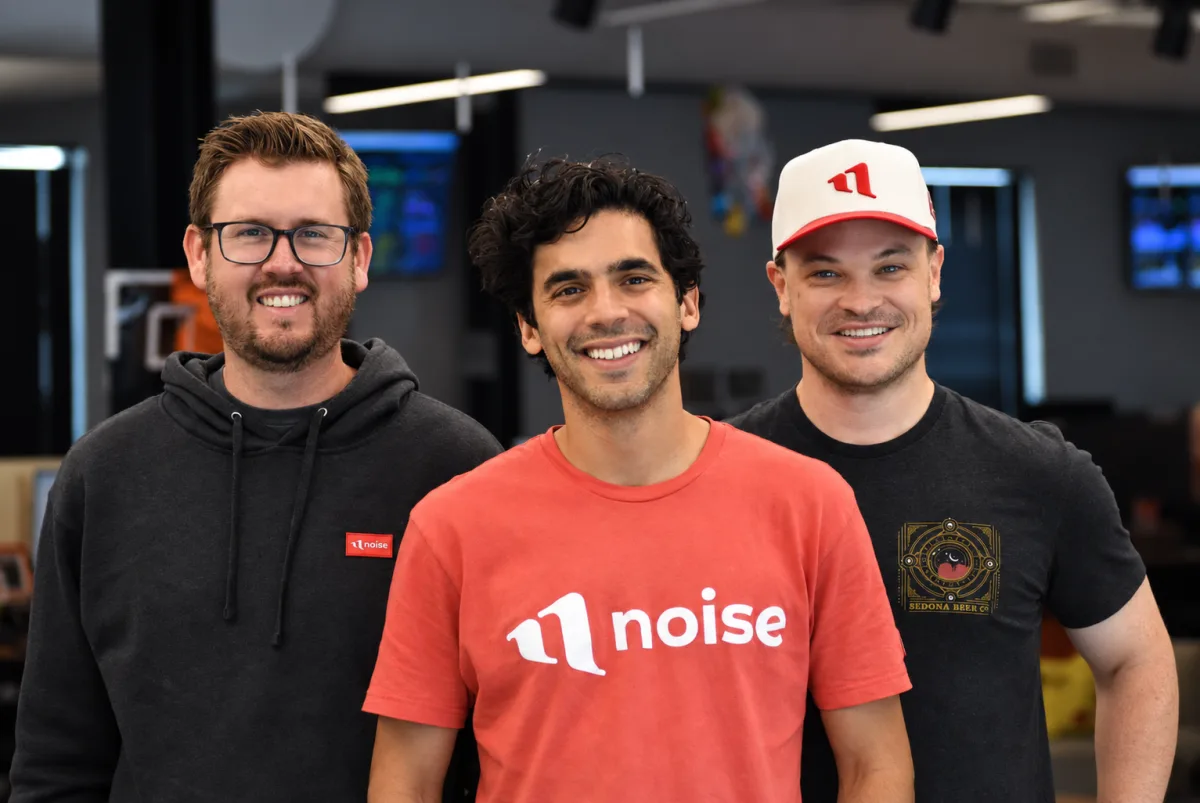
Noise, a marketing infrastructure company, has secured $5.5 million in seed funding to expand its platform that pairs brands with everyday content creators at significantly lower costs than traditional influencer marketing or standard advertising campaigns. The round was led by Capital Midwest, M25, and Girshin Robotics, with participation from CapitalizeVC and operators from companies including DoorDash, bringing Noise's total funding to $7.2 million.
The platform operates on a fundamentally different model than conventional creator marketing. Rather than requiring a large social media following to participate, anyone can download the Noise app and access brand campaigns. Creators produce content for their chosen platforms—TikTok, Instagram, Facebook, or YouTube—and earn compensation based on views generated rather than flat fees. Brands submit campaign briefs and budgets to Noise, which then handles creator sourcing, relationship management, and payments, enabling simultaneous campaigns across thousands of creators.
Founded in 2025 by Diego Kafie, Stu Feldt, and Nic Weber, Noise now hosts 1.5 million creators on its platform. According to Kafie, the company's highest-performing creators earn more than six figures annually, while Noise generates revenue by taking a fee from brand payments once views are delivered.
The founders developed Noise after spending two years building Playbite, a mobile game app. During that venture, they experimented with grassroots creator recruitment, starting with five creators and scaling to 100 people who posted about the game on social platforms. "Before we knew it, our installs were skyrocketing as this small army of people went to places like TikTok and posted engaging content daily about mobile games and our app specifically," Kafie explained. This approach proved far more economical than approaching established creators with large followings.
Noise's current customer base consists primarily of mobile app companies operating with startup-level budgets. Kafie stated that "our top brands work with several thousand creators on autopilot," and the company aims eventually to serve organizations of all sizes. He noted that startups represent ideal early customers because "they are the most interested in reaching a really wide range of potential customers, making them the prime users for something like Noise, where they can easily recruit a small army of people to become their biggest users and advocates."
The platform addresses a growing market opportunity. Research indicates that 57% of young people and just over 40% of U.S. adults overall now wish to participate in content creation. Noise competes within a broader ecosystem that includes similar infrastructure companies like Billo and JoinBrands.
New Features and Creator Support
Noise recently launched its Organic-to-Ads program, which allows brands to take videos created by Noise creators and deploy them as paid advertisements on Meta and TikTok alongside the creators' organic posts. "The creators still post to platforms," Kafie said. "But in addition, the brands can now put paid ads spend behind those creatives to reach more people."
When addressing whether this approach reduces creator earnings compared to what established influencers might command, Kafie emphasized that brands set their rates upfront and creators choose whether to accept. He stressed that Noise focuses on "everyday people and turning them into brand new creators."
New creators on the platform complete training modules that teach content creation for brands. Early-stage creators access only certain campaigns, but as they complete additional training and secure more work, higher-paying opportunities become available. Kafie characterized this progression as essential to the company's mission: "By democratizing 'becoming a creator' to literally anyone with a smartphone, we're bringing costs down for brands, but enabling millions of people to make their first dollar on the internet."
The fresh capital will support product expansion and hiring. According to Kafie, the platform addresses a real friction point in content creation: "It's harder to become an influencer these days, so this could be a way for many people to get around the stress, time, and money it takes to make it big in content creation on their own."
Read more
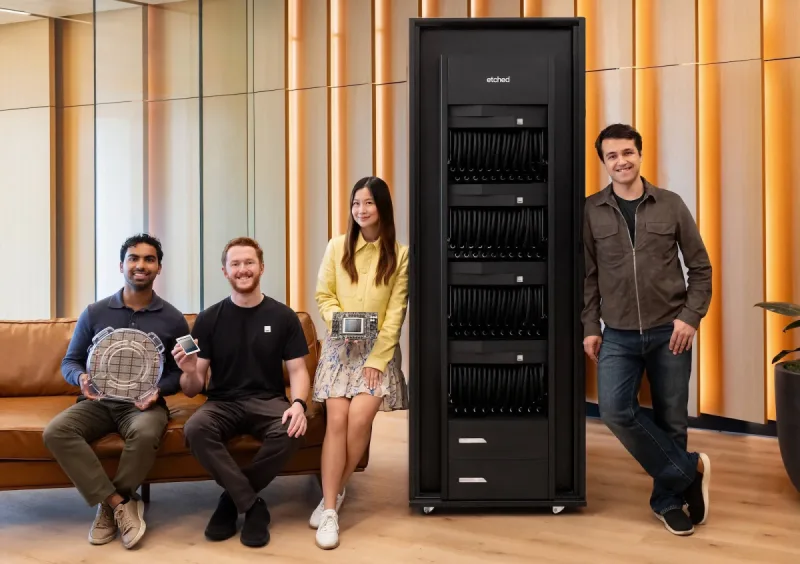
Etched's Valuation Doubles in Months as VCs Bid $40B–$50B for AI Chip Maker
The startup that raised $700 million at a $21 billion valuation just weeks ago is now fielding investment offers valuing it at double or more, as investors race to back its challenge to Nvidia's dominance in AI hardware.
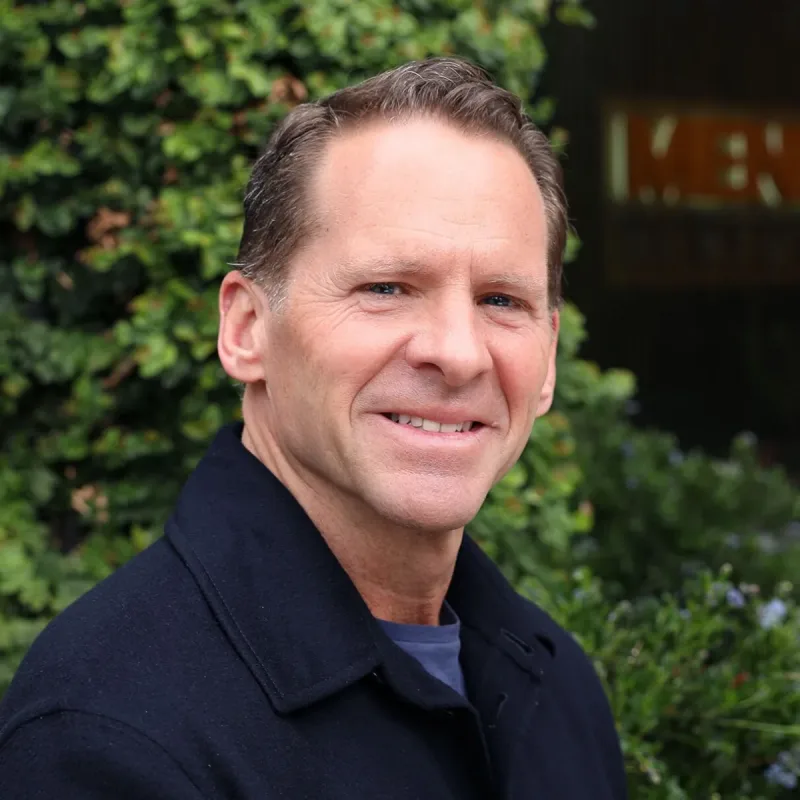
Menlo's Factory bet signals confidence amid founder clash with Khosla
Menlo Ventures has invested in AI coding startup Factory as part of its latest funding round at a $5 billion valuation, a move that carries weight beyond typical round extensions given the company's recent public dispute with prominent investor Vinod Khosla.

Venture funding hits $679 billion in first nine months of 2026 as AI startups dominate
Global venture investment reached $159 billion in Q3 2026, with a record 27 companies closing billion-dollar rounds as artificial intelligence companies continue to attract the vast majority of capital.