Isomorphic Labs seeks funding at $40B–$50B valuation as drug-discovery AI gains traction
The Alphabet spinoff behind IsoDDE, an AI platform for accelerating pharmaceutical research, is in early-stage talks for a new funding round at a significantly higher valuation than its previous raise.
Isomorphic Labs Ltd., a company spun out from Alphabet Inc. to advance drug discovery through artificial intelligence, is reportedly in discussions to secure fresh capital. According to Bloomberg sources, the company is targeting a valuation between $40 billion and $50 billion, though the size of the proposed funding round remains undisclosed.
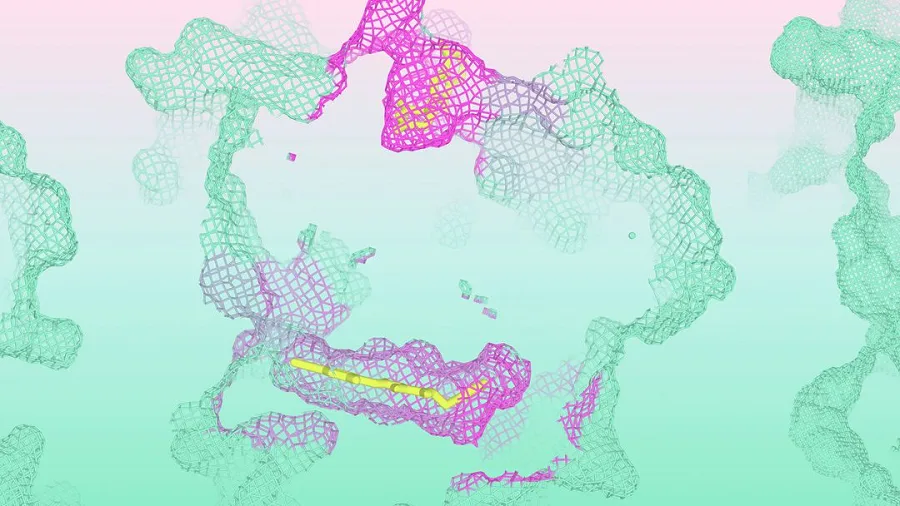
The centerpiece of Isomorphic's business is IsoDDE, an AI-powered platform designed to streamline the research work required to bring new therapies to market. The system emphasizes automation of binding pocket identification, one of the most difficult and time-intensive steps in drug development.
Therapeutic compounds work by binding to specific locations on disease-causing cells—these locations are called binding pockets. Identifying suitable binding pockets presents substantial challenges. Cell surfaces possess intricate topography that demands specialized imaging equipment to map. Additionally, cell surfaces are dynamic structures that shift regularly, causing binding pockets to change or vanish entirely, making them difficult to characterize.
In February, Isomorphic disclosed that IsoDDE outperforms the nearest alternative tool by more than 50% in locating binding pockets. The platform can also construct models of protein-ligand complexes—the molecular assemblies that emerge when a drug binds to a cell's binding pocket.
AlphaFold, the protein-prediction model developed by Google DeepMind that earned its creators half of the 2024 Nobel Prize in Chemistry, can likewise model protein-ligand complexes. IsoDDE accomplishes this task with roughly double the accuracy of AlphaFold.
Beyond drugs, binding pockets are also targeted by antibodies produced by the immune system. Predicting interactions between binding pockets and antibodies presents particular difficulty because antibodies exhibit structural diversity that resists easy prediction. Isomorphic reports that IsoDDE models these interactions approximately 2.3 times more effectively than AlphaFold.
Isomorphic generates revenue by establishing research partnerships with pharmaceutical companies. During 2024, the company completed agreements valued at nearly $3 billion with Eli Lilly and Co. and Novartis AG. In January of this year, Isomorphic initiated a comparable partnership with Johnson & Johnson. Each of these collaborations concentrates on small molecules, the chemical compounds that serve as the foundation for numerous medications.
The fundraising discussions are currently in preliminary phases. Bloomberg's sources have not identified which investors are anticipated to participate in the round. Isomorphic's previous funding round, announced in March and totaling $2.1 billion, included backing from Alphabet, two venture capital arms of the search company, and various external investors.