How Fortell is challenging the hearing aid establishment with AI and $163 million in backing
Matthew de Jonge's startup has secured major funding from Founders Fund, Thrive Capital, and Antonio Gracias to build hearing aids that intelligently process sound in real time—a departure from the one-size-fits-all approach that has dominated the industry for decades.
https://playlist.megaphone.fm?e=TCML8703945164
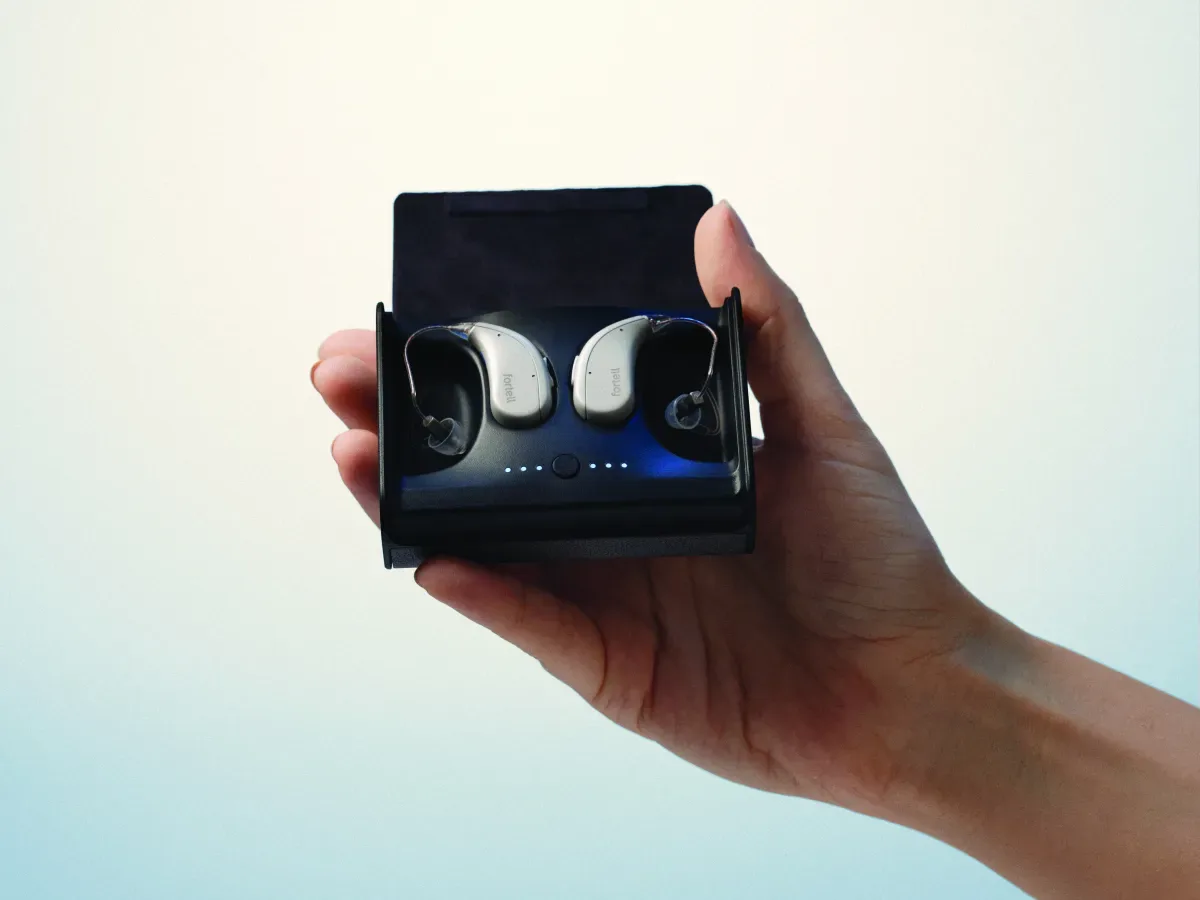
A simple observation sparked Matthew de Jonge's mission to overhaul the hearing aid market. "Why do I have to beg my grandparents to put on their hearing aids, but no one has ever needed to ask me to put on my glasses?" The question led him to spend six years developing Fortell, an artificial intelligence-powered hearing aid company that just closed a $163 million funding round backed by Founders Fund, Thrive Capital, and Valor Equity Partners CEO Antonio Gracias.
Fortell's core innovation centers on intelligent sound processing. Rather than amplifying all audio equally, the company's devices use AI to analyze the acoustic environment in real time, identify what matters and suppress background noise. This selective approach contrasts sharply with conventional hearing aids, which typically boost everything simultaneously.
The hearing aid sector presents both opportunity and challenge. Five companies manufacture 97 percent of all hearing aids sold globally. Insurance coverage remains sparse, and technological progress has stalled. De Jonge's path to the hearing aid space was unconventional. He began his career in mechanical engineering and hedge fund management before joining Butterfly Network, where he worked on portable ultrasound devices. That experience, he has said, gave him the confidence to tackle an entrenched industry.
Technology and market positioning
Fortell's technical foundation rests on a custom silicon chip designed by a former Google TPU engineer. The proprietary architecture underpins the startup's real-time audio processing capabilities.
De Jonge views Apple's AirPods as a complementary force rather than a competitive threat. The devices can serve as hearing aids and enable at-home hearing tests, but he sees them occupying a different market segment than Fortell's clinical-grade solution.
Regulatory and scaling considerations
Remote fitting of hearing aids faces regulatory complexity. State-level telemedicine laws vary significantly and will influence how Fortell expands geographically. Navigating this patchwork of regulations represents a key hurdle as the company scales.
The dominance of the five incumbents reflects decades of slow innovation. That stagnation has shaped how Fortell pitches itself to investors—as a genuine disruption opportunity in a market ripe for change.
Read more

Spotify Founder's Health Screening Startup Neko Brings Preventative Medicine to the U.S.
The body-scanning company co-founded by David Ek has arrived in New York with a 300,000-person waitlist and backing from nearly $1 billion in funding.
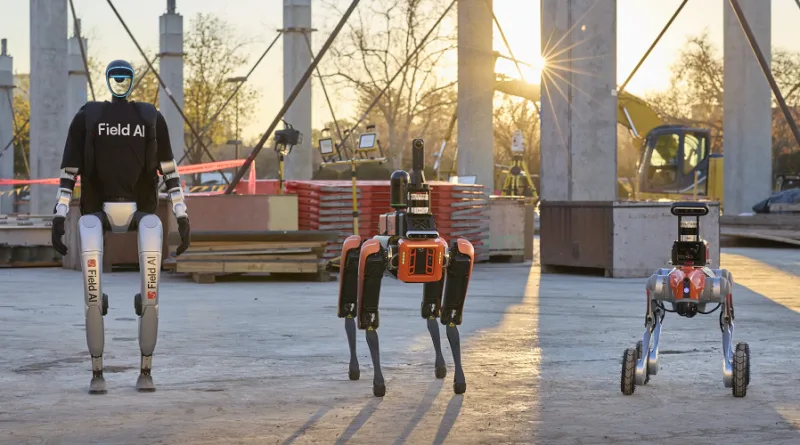
FieldAI Seeks $700M at $10B Valuation as Robot AI Demand Accelerates
The robotics AI startup is in advanced fundraising talks that would quintuple its valuation from last year, according to sources familiar with the matter.

Tech hiring slows even as employers post record open positions
A surge in IT job listings to three-year highs masks a contraction in actual hiring, with technology sector roles declining and unemployment ticking upward.