From Lab to Market: How Founders Scale Prototypes Into Production Systems
TechCrunch Disrupt 2026 will feature leaders from space communications, autonomous systems, and AI infrastructure discussing the real-world challenges of moving breakthrough technologies from prototype to production-ready deployment.
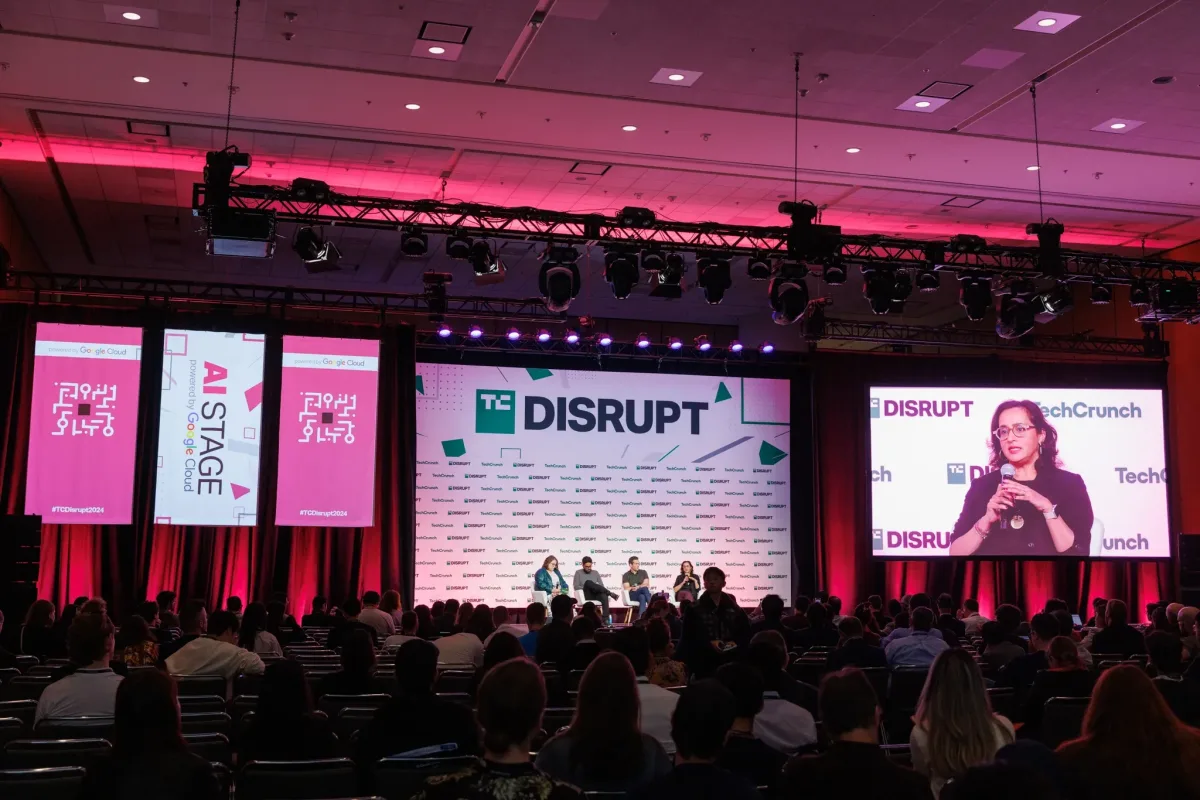
Artificial intelligence has made it easier than ever to build working prototypes. The challenge lies in what comes next: transforming those prototypes into products that customers can depend on in the real world.
Founders frequently envision their innovations becoming reliable products. However, the journey from prototype to production rarely proceeds smoothly. Manufacturing obstacles surface. Systems must scale to handle growth. Autonomous technologies must function reliably outside laboratory settings. Once technology enters the real world, the obstacles multiply and shift rapidly.
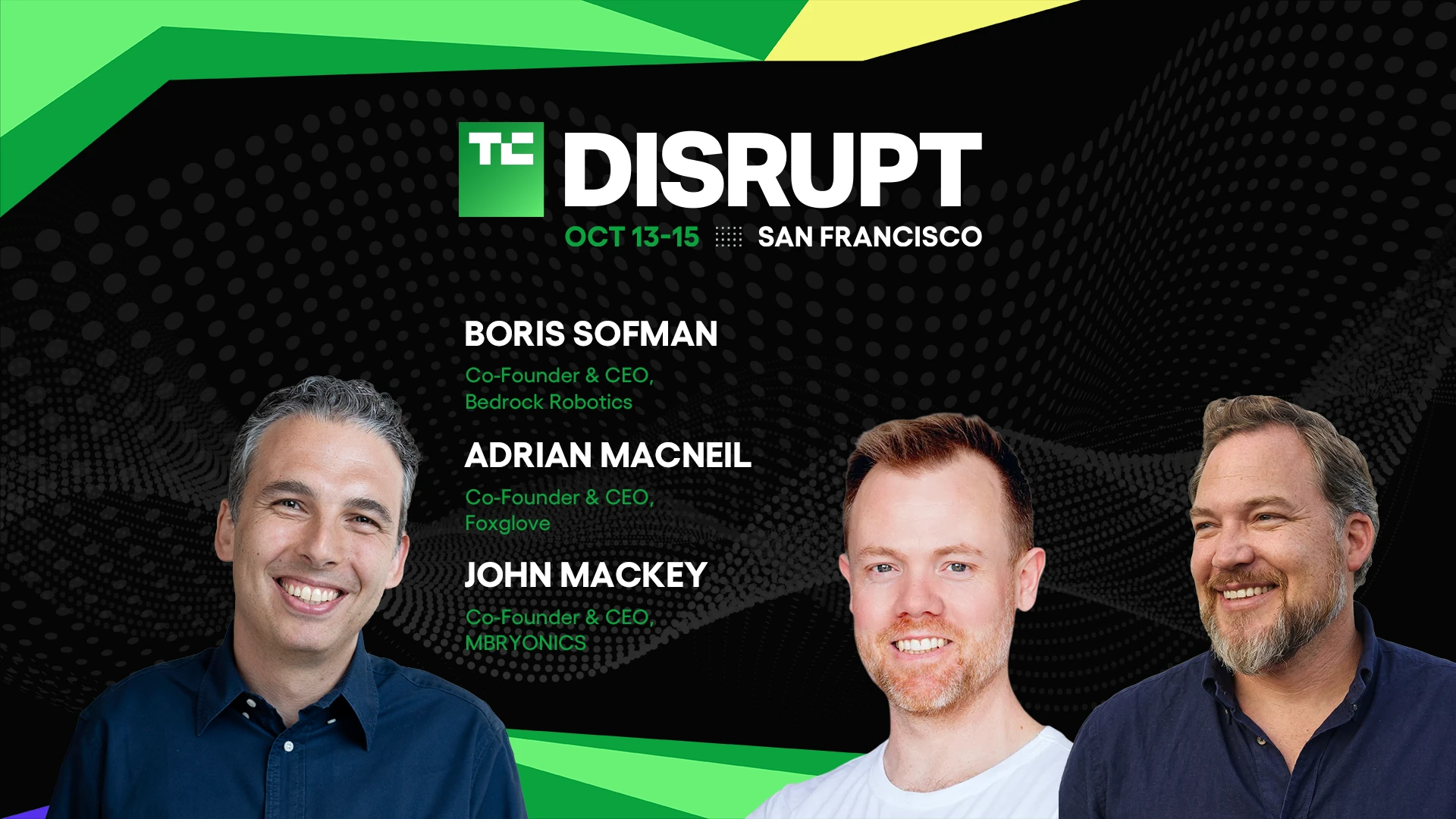
This challenge forms the centerpiece of "From Prototype to Production: Can It Scale in Reality?", a session on the Real World AI Stage at TechCrunch Disrupt 2026. Executives from space communications, autonomous systems, and AI infrastructure will discuss their experiences navigating this transition, from initial breakthrough to deployment at scale. Though each industry faces distinct hurdles, all three speakers have confronted an identical truth: a functioning prototype represents only the first step.
TechCrunch Disrupt returns to Moscone West in San Francisco from October 13–15, assembling more than 10,000 founders, investors, and operators across 250+ sessions examining the technologies and market dynamics shaping the future. Attendees can purchase Disrupt passes to learn how current innovators are transitioning breakthrough technologies into production systems.
When AI leaves the lab
A successful prototype answers a single question: "Can it be done?" Production demands answers to dozens more. Creating optical communications hardware differs fundamentally from deploying autonomous vehicles or autonomous construction machinery. Yet all three demand that technology operate reliably in uncontrolled environments, where manufacturing capacity, infrastructure, reliability, and operational logistics become inseparable from the product itself.
The Real World AI Stage session does not offer a universal formula. Instead, it assembles founders who have approached production from divergent perspectives, creating a distinctive opportunity to examine how scaling unfolds across different sectors.
Lessons from companies that made the leap
Each path from prototype to production tells a distinct story. This diversity makes the discussion valuable. Every founder appearing on the Real World AI stage has charted a unique route from prototype to production, offering insights that emerging companies can adapt to their own circumstances.
- Building the future of space communications: At MBRYONICS, Co-founder and CEO John Mackey has converted a specialized photonics spinout into a major player in space-based optical communications. He has simultaneously expanded high-volume manufacturing and contributed to building infrastructure for next-generation space networks. His presentation will help startups grasp what shifts when a company transitions from prototype development to product manufacturing.
- Deploying autonomy where consistency matters: Boris Sofman, co-founder of Bedrock Robotics, previously held a leadership position in autonomous trucking and core technologies at Waymo, where fully autonomous vehicles accumulated more than 100 million driverless miles. His background illustrates what occurs when autonomous systems move beyond controlled testing environments and begin functioning in settings where daily reliability and safety are critical. He will address how to expand production while maintaining safety and dependability.
- Engineering the foundation for autonomous systems: Adrian Macneil, co-founder of Foxglove, previously served as infrastructure engineering lead at Cruise, where he developed the data platform that enabled autonomous vehicles to operate at scale. His work illustrates that production success depends on the engineering infrastructure surrounding it. His presentation will highlight the systems and infrastructure necessary for complex technologies to transition from experimental phases into practical deployment.
These three speakers bring distinct viewpoints to a milestone every ambitious technology company must reach: transitioning from a working prototype to a product customers can trust in real-world conditions.
What comes after the breakthrough?
Eventually, every promising technology must demonstrate its capabilities outside the laboratory. This Disrupt session begins at that exact inflection point. Rather than examining theoretical possibilities, these founders will explore what unfolds when manufacturing, deployment, infrastructure, and operational realities become integral to the product.
Regardless of the technology being developed, this conversation provides access to founders who have already completed the transition from prototype to production and can share the insights they gained. Attendees can secure Disrupt passes to learn how industry leaders are making the shift from prototype to production, with savings of up to $200 available before September 25.
Read more
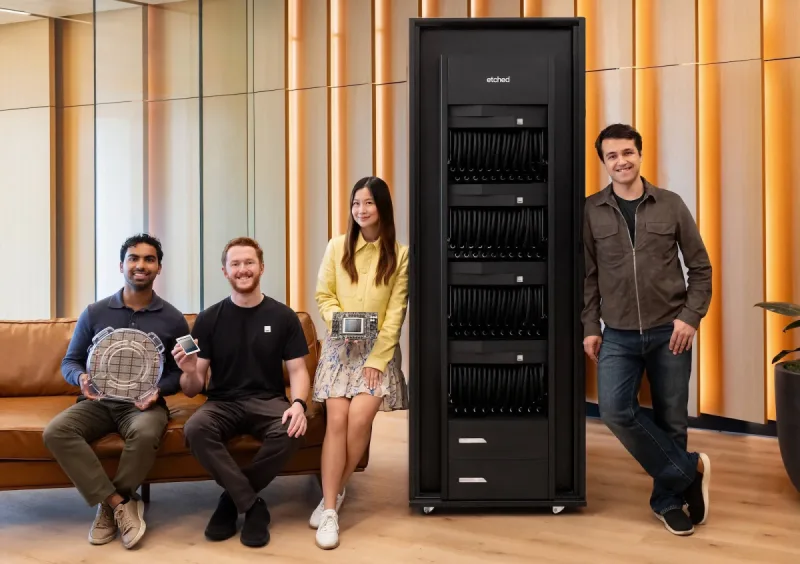
Etched's Valuation Doubles in Months as VCs Bid $40B–$50B for AI Chip Maker
The startup that raised $700 million at a $21 billion valuation just weeks ago is now fielding investment offers valuing it at double or more, as investors race to back its challenge to Nvidia's dominance in AI hardware.
Menlo's Factory bet signals confidence amid founder clash with Khosla
Menlo Ventures has invested in AI coding startup Factory as part of its latest funding round at a $5 billion valuation, a move that carries weight beyond typical round extensions given the company's recent public dispute with prominent investor Vinod Khosla.
Venture funding hits $679 billion in first nine months of 2026 as AI startups dominate
Global venture investment reached $159 billion in Q3 2026, with a record 27 companies closing billion-dollar rounds as artificial intelligence companies continue to attract the vast majority of capital.