Freshworks Veterans Launch $53M AI-Native CRM to Disrupt Salesforce and HubSpot
Dreamteam, founded by former Freshworks leaders, has secured $53 million across seed and Series A funding to build an AI-powered alternative to entrenched CRM giants, betting that artificial intelligence can finally crack a market long dominated by established players.
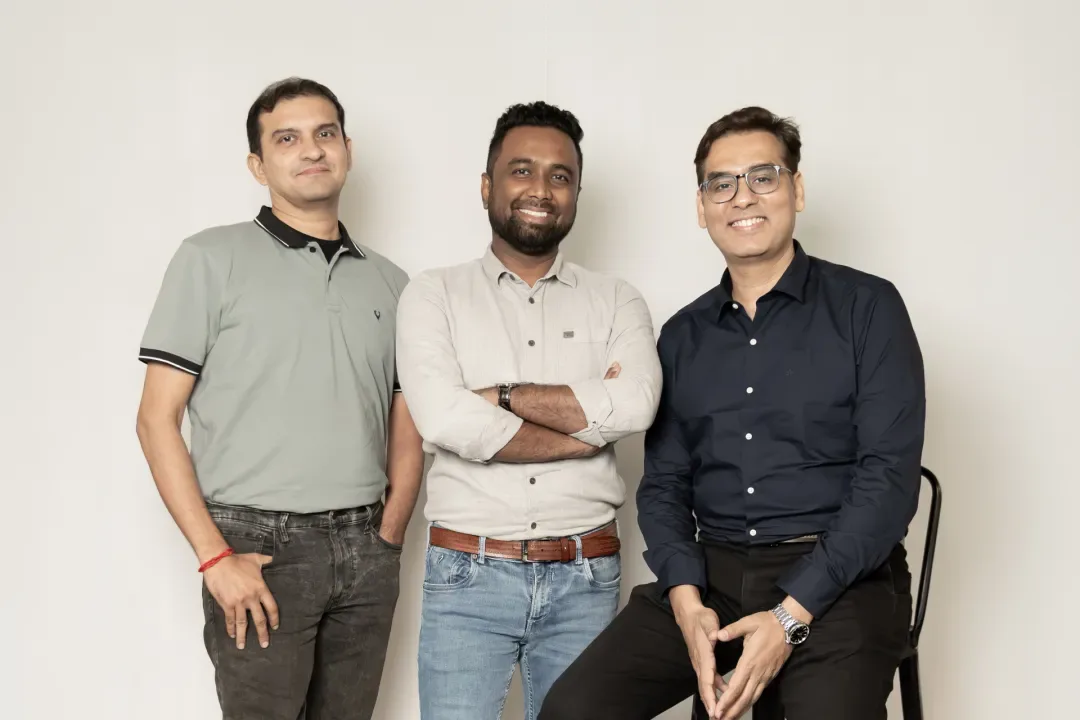
Dreamteam, a startup launched by ex-Freshworks executives, has closed a $53 million funding round to compete against Salesforce and HubSpot by offering an AI-native CRM platform. The company is wagering that artificial intelligence can disrupt a sector where incumbents have maintained their grip despite years of competition. Together Fund and Accel led the seed and Series A rounds respectively, with Premji Invest also participating. The San Francisco outfit has not revealed individual round sizes or its current valuation.
Conventional CRM systems require sales teams to manually log customer interactions and maintain current deal records, frequently resulting in incomplete or stale data. Dreamteam's approach automates much of this burden by extracting context from emails and customer conversations. The platform deploys AI agents to manage activities like sending follow-ups, organizing meetings, and tracking pipeline health.
Anand Venkatraman, Dreamteam's co-founder and chief executive, spent over 25 years in enterprise software roles, including stints at Salesforce and Freshworks, where he repeatedly witnessed the shortcomings of traditional CRM tools. Salespeople invested substantial effort in record maintenance, yet leadership still lacked dependable visibility into business performance. "In all these years, I have never come across an instance where I could click a button and get a forecast from the CRM," he said.
Venkatraman established Dreamteam in 2025 alongside Senthil Kanthaswamy, who spent nine-plus years at Freshworks in product leadership roles including a position at Freshservice, and Ramesh Parthasarathy, who previously led AI and platform engineering initiatives at Freshworks.
The platform's core component is the Company Brain, a system that functions as institutional memory by aggregating data from emails, meetings, and other customer touchpoints to create a unified view of relationships. Four integrated AI agents leverage this information to research leads, compose follow-up messages, identify deal risks, and set up CRM workflows, while keeping sales teams in control of customer-facing communications.
Since launching active sales efforts three months ago, Dreamteam has onboarded more than 100 customers spanning 13 countries, with the majority paying for access, according to Venkatraman. The startup has also displaced established platforms at several organizations, including Salesforce at healthcare provider DMS Health and HubSpot at other firms.
Plex, a media streaming company, selected Dreamteam for its advertising sales division over HubSpot and competing AI-native CRM options. Scott Olechowski, Plex's co-founder and chief product officer, described Dreamteam's capacity to work with AI systems already deployed across the organization as a "game changer."
Dislodging established CRM vendors at scale presents a steeper challenge. Andreessen Horowitz published analysis earlier this year suggesting that although AI could reshape customer relationship management, legacy CRM platforms will likely persist as the primary repositories for customer records, with new AI-powered applications capturing significant value by operating as overlays.
Venkatraman conceded that Salesforce and HubSpot will not vanish quickly, but contended that their current market positions do not ensure they will lead the next wave of CRM innovation. "We see this as an electric-car moment for systems of record," he stated, emphasizing that AI demands a fundamental redesign of CRM architecture rather than incremental feature additions to existing systems.
Kanthaswamy estimates that startups have a window of two to five years to capture market share before incumbent CRM vendors fully integrate AI capabilities. Reconstructing software around a new foundational design requires substantial time, creating an opening for newer entrants to win customers while established players modernize their legacy platforms.
Dreamteam intends to broaden its scope beyond sales into additional customer lifecycle stages, including implementation, support, and revenue expansion. The company has already introduced Magic Apps, a feature enabling users to build custom applications and dashboards using plain-language prompts without coding.
The startup currently has more than 35 employees, with engineering operations centered in Chennai and commercial teams based in the United States. Kanthaswamy stated that Dreamteam targets eight-figure annual revenue by the conclusion of 2027, though the company has not disclosed its present revenue figures.
Read more

Silicon Valley faces rising threat from intelligence operatives using romance and friendship as cover
As alleged honey-trap schemes targeting tech executives gain attention, security experts warn that founders and employees across the industry remain dangerously unprepared for social engineering attacks designed to extract valuable corporate secrets.

Science's $400M Neurotech Round Tops Week of Major Funding Announcements
A brain-computer interface startup led this week's funding activity, with eight other U.S. companies securing nine-figure rounds as market momentum persists despite recent tech stock volatility.
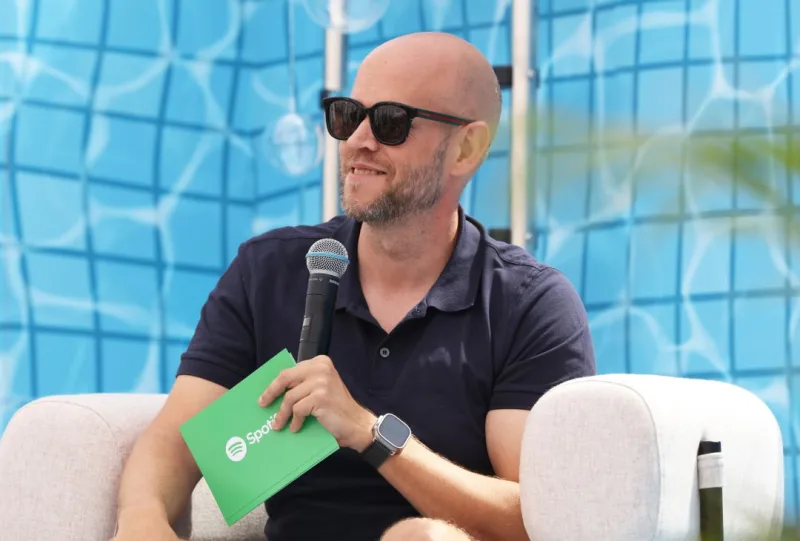
Spotify's Daniel Ek Invests in Europa Fusion, an AI Researcher's Bet on Simulation-First Power
Nantas Nardelli, a machine learning veteran from Google DeepMind and Microsoft Research, has launched a fusion startup backed by Spotify founder Daniel Ek. His approach diverges from hardware-heavy competitors by prioritizing simulation and data.