Flai Closes $27M Series A as AI Dealership Platform Hits 50,000 Monthly Appointments
The automotive AI startup has grown from a three-person team to serving more than 10 of the country's top 50 dealer groups, with its AI handling customer interactions, campaigns, and appointment scheduling across sales and service operations.
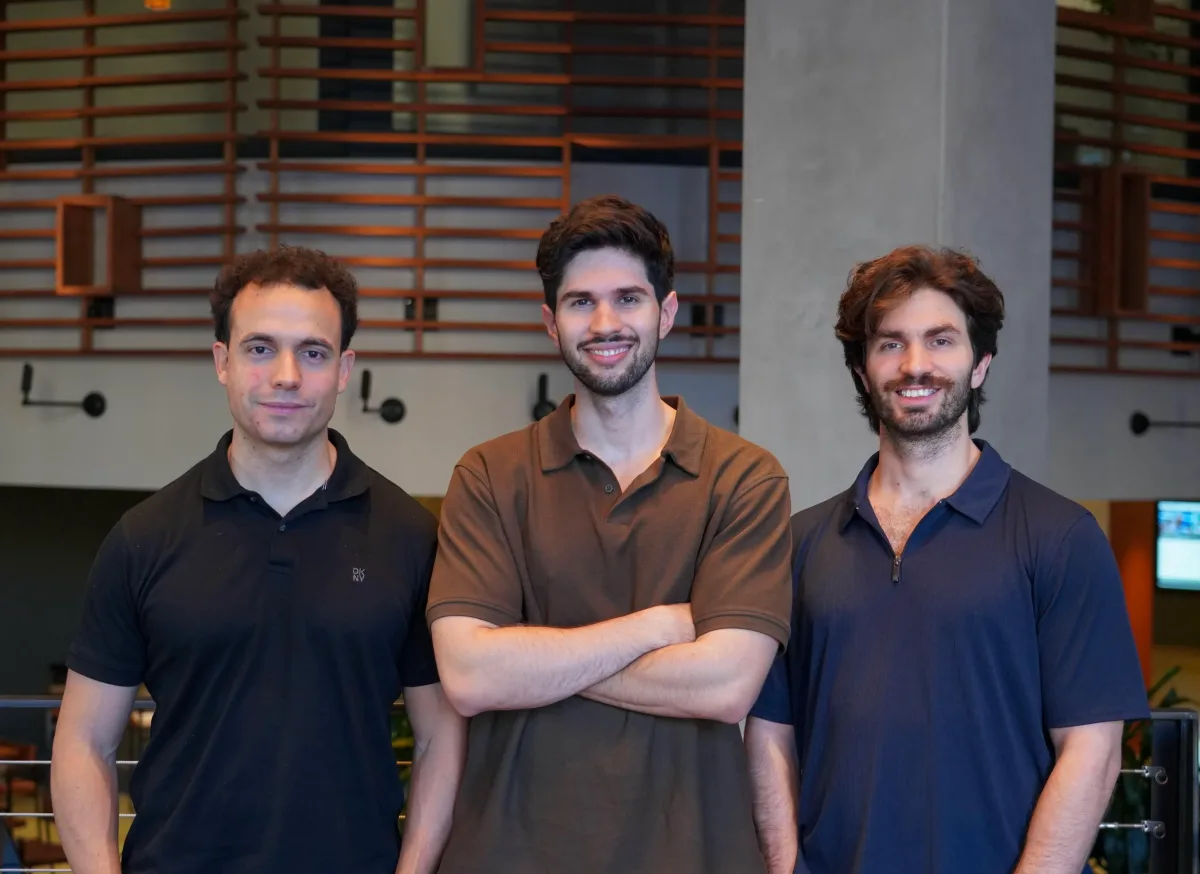
Flai began its journey as a lean operation focused on getting car dealerships to adopt software for managing communications. Founder and CEO Ari Polakof had bigger ambitions from the start, envisioning a system where artificial intelligence would take on substantially more responsibility than basic message routing. That vision is now materializing. The company has expanded to work with more than 10 of the nation's largest 50 dealer groups, deploying AI to answer customer inquiries, execute outbound marketing efforts, and book appointments—totaling 50,000 monthly across both sales and service divisions. Revenue has grown 20x in the past year, according to Polakof.
The momentum has caught the attention of the investment community. Flai announced a $27 million Series A round on Tuesday, with Base10 Partners leading the charge. The funding also included participation from Friedkin Group and Findlay Automotive, Toyota's venture capital division, Y Combinator, and First Round Capital.
Polakof attributes the company's traction to its comprehensive approach. Rather than offering a narrow point solution, Flai functions as a customer relationship management platform engineered specifically for automotive dealerships. He explained the scope of the platform's capabilities: "Sure, we do answer the phone calls, but we're following up with customers, we're alerting the leadership whenever they need to take a look at something, maybe because the customer's mad, or because you forgot to respond, or promised them something next week. We've grown quite a bit from just a phone solution to more of a platform. There are plenty of AI companies coming in, but I think that really speaks about the opportunity."
The platform's adaptability has proven valuable across different markets. Earlier this year, Flai launched with a luxury dealership group in Puerto Rico where customers frequently alternate between Spanish and English during conversations. Co-founder Juan Alzugaray described the rollout in a LinkedIn post: "We started where we always do: inbound service calls. It went well enough that they added sales. And now the group is rolling Flai out across all 8 of their stores." Dealerships using the system report increased vehicle sales, improved profitability, and faster customer response times.
Word-of-mouth from satisfied customers has become Flai's primary growth engine. Polakof noted that half of the company's new revenue stems from referrals generated by existing clients. He described the dynamic: "If you really do great by them, they also do great by you, and they recommend you, and talk about you."
Speed and service quality underpin this referral success. Flai's implementation process gets dealerships operational within 10 days of contract signing. The company has also established a 20-minute maximum response time for customer inquiries, a standard Polakof emphasizes to his team of approximately 40 employees. He acknowledged the poor reputation of traditional automotive software vendors: "The common experience, especially around automotive [software] vendors, is — and many are almost traumatized by this — is that they sign the contract and then the company disappears. I'm fully focused on making sure that we treat every customer as if they're our only customer, especially because I know how hard it was to get the first one."
This combination of specialized expertise, rapid deployment, and attentive customer service creates a defensible moat against broader AI platforms attempting to serve dealerships. Polakof dismissed the threat posed by products like Meta's Muse, which targets small businesses with generalized solutions. He reasoned: "You get a group of really smart people, and you spend all your days, all your time thinking very deeply about this one space — it's just so hard to envision that any other platform outside of the space can come in and start going after your customers."
Despite his company's impressive customer roster, Polakof has yet to convert one prospect: his own local dealership. He acknowledged the irony with humor, saying he is "actually trying much harder than I should to make them a customer" and expects to land them within the next year.
Read more

Ghost AI's $11M Bet on Personal AI Hardware: A 19-Year-Old's Vision for Privacy-First Computing
Ghost AI, led by teenage founder Zain Javaid, has secured $11 million to manufacture Core, a dedicated personal computer designed to run AI agents locally without cloud dependency.
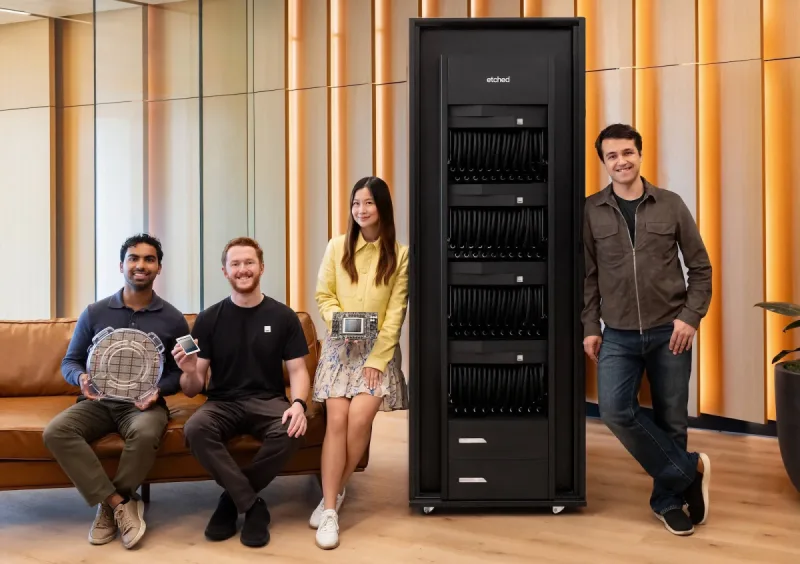
Etched's Valuation Doubles in Months as VCs Bid $40B–$50B for AI Chip Maker
The startup that raised $700 million at a $21 billion valuation just weeks ago is now fielding investment offers valuing it at double or more, as investors race to back its challenge to Nvidia's dominance in AI hardware.
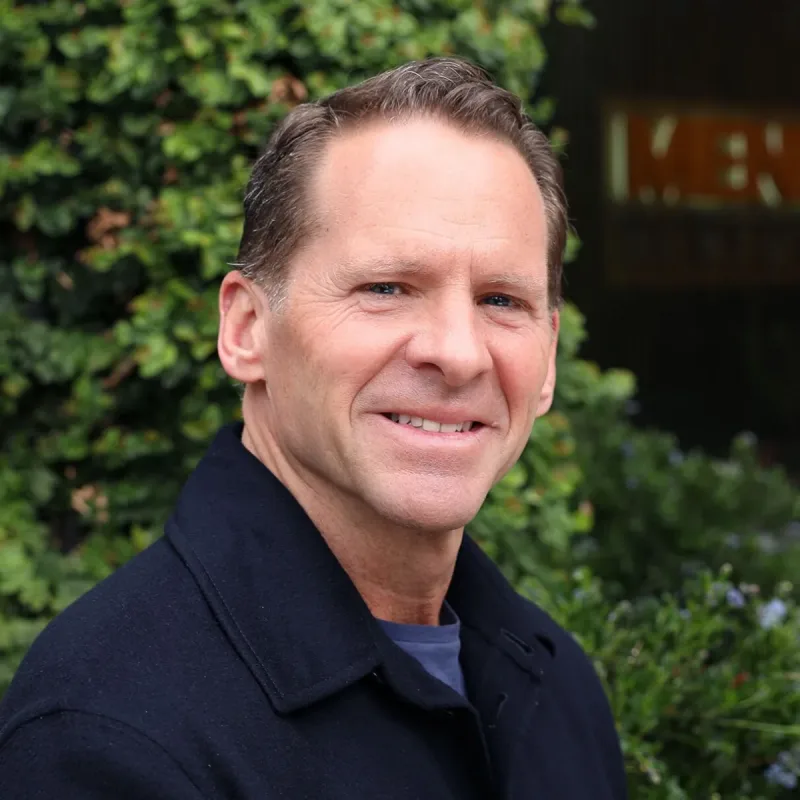
Menlo's Factory bet signals confidence amid founder clash with Khosla
Menlo Ventures has invested in AI coding startup Factory as part of its latest funding round at a $5 billion valuation, a move that carries weight beyond typical round extensions given the company's recent public dispute with prominent investor Vinod Khosla.