Axiom's Sandhya Venkatachalam: Why Half Her AI Bets Will Fail
The founder of a $52 million AI fund discusses why she backs nonobvious founders, what makes AI companies durable, and how an early Groq investment shaped her contrarian approach to venture capital.

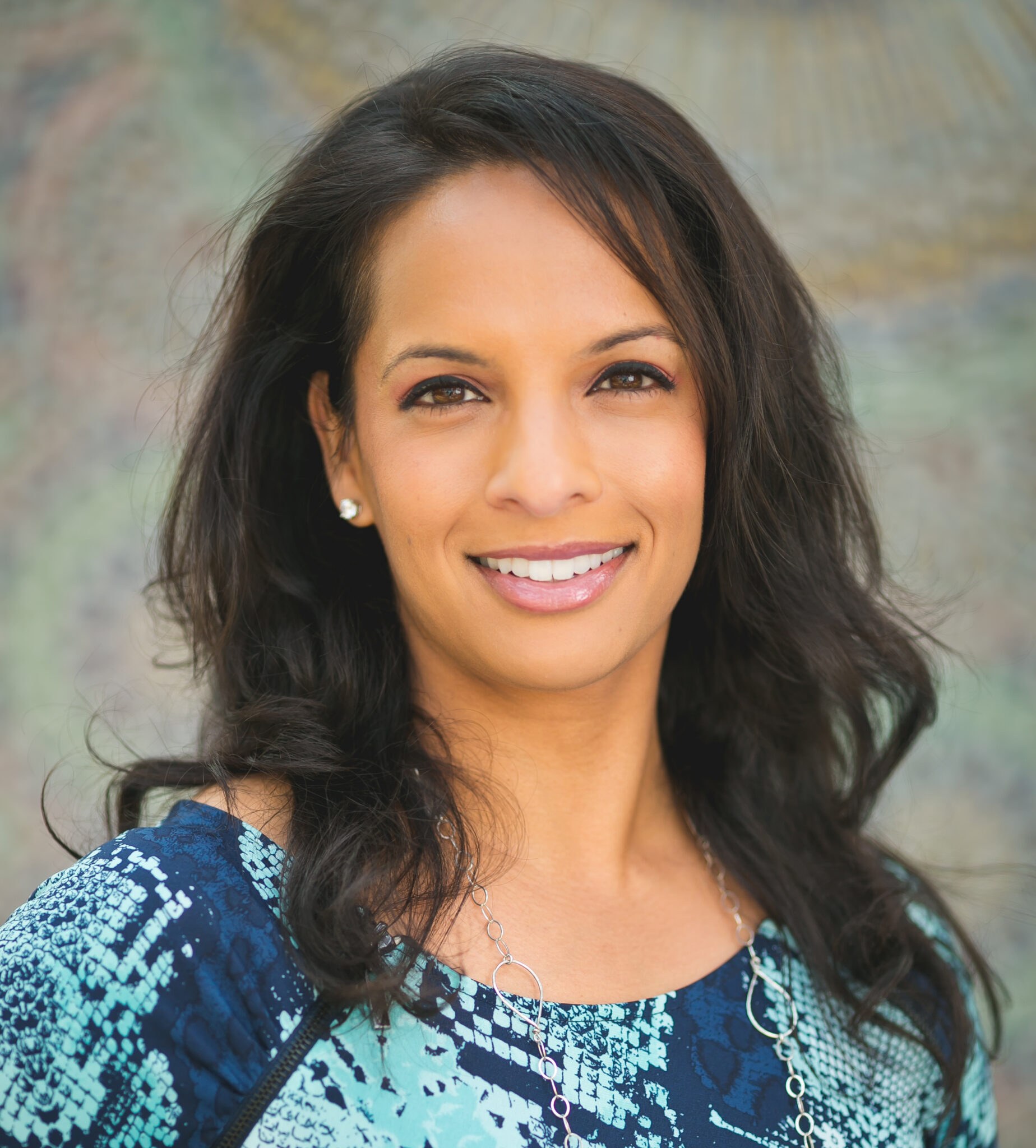
Sandhya Venkatachalam's early career centered on building and leading product at technology firms destined for acquisition. She oversaw product development at a data center hardware startup that Cisco purchased, then moved to Skype as a product executive before Microsoft's acquisition of the company. These positions exposed her to data and machine learning long before artificial intelligence became venture capital's primary focus.
Her path eventually led to a general partner role at Social Capital, where she directed early institutional funding into AI chipmaker Groq. She subsequently invested through Khosla Ventures before launching Axiom Partners, a $52 million fund focused on startups applying AI to solve problems in sectors including construction, industrials and insurance.
Finding founders beyond the obvious
Venkatachalam credits Khosla Ventures with teaching her to look beyond Silicon Valley's narrow conception of who builds transformative AI companies. "One thing I took was Vinod Khosla's open view of where great founders can come from. Silicon Valley has gravitated toward a fairly narrow idea of who can build the next great AI company: Someone with a Stanford computer science or machine learning background, or experience at OpenAI. We're looking for more nonobvious founders, particularly in nonobvious industries," she explains.
At Axiom, she has structured the firm around practitioners actively engaged with AI technology. The team includes individuals who build, productize, price and commercialize AI solutions in their other roles, working part-time at the firm while maintaining their primary positions. This arrangement keeps investment thinking aligned with market realities and gives founders access to partners who have navigated similar challenges.
Venkatachalam emphasizes that these practitioners receive carry in the fund and function as partners rather than advisers. "Their other jobs are central to the model. Some of the best angel investors are people who are still operating and building. I don't need these people full time. In fact, they would be less valuable to Axiom if they left the work that keeps them close to the market," she says.
AI that solves real problems
Axiom's investment thesis centers on what the firm calls "AI for the real world"—technology that benefits populations beyond early adopters and addresses gaps in underserved industries. Rather than backing conventional enterprise software tools, Venkatachalam seeks companies where AI delivers tangible outcomes in construction, industrials, insurance and similar sectors.
A critical distinction separates her approach from broader AI investment trends. "We generally don't invest in products that look like conventional enterprise software tools. We want to see AI delivering a result," she states. This focus extends to how customers pay for these solutions. Venkatachalam notes that companies often see contract values in the hundreds of thousands of dollars, drawn from labor budgets rather than typical software spending, even when startups remain in early stages.
Building durable AI companies
As AI products become faster to develop and easier to replicate, durability depends on depth of integration and customer dependence. Venkatachalam describes this as handling "the last mile of the job"—work so embedded in a customer's operations that replacement becomes difficult.
In industrial contexts, delivering results requires deep integration with existing customer systems, including understanding their data, training on it, learning relevant workflows and standing behind outcomes. "That takes more than putting an interface on top of a model," Venkatachalam explains. These relationships and capabilities create competitive moats that other startups struggle to replicate and that large AI model companies may have limited incentive to develop themselves.
The Groq lesson
Venkatachalam's investment in Groq when AI inference remained an unconventional category shaped her current philosophy. Her background spanning both hardware and software led her to investigate why Google built proprietary networking switches and chips rather than purchasing from existing vendors. This inquiry introduced her to Jonathan Ross, who had contributed to that work before founding Groq.
Ross convinced her that while large technology companies focused on training infrastructure, the substantially larger opportunity lay in inference. "I'll be honest: In 2016, I barely understood inference. But if you believed these models would spread, it made sense that people would build on top of them and need the infrastructure to support that. That insight drove my investment," she recalls.
That experience reinforced the value of timing and patience. "It taught me the value of being a little early and having some patience. You don't have to be wildly contrarian, but you do have to see the opportunity before it becomes obvious to everyone else," Venkatachalam says. Her current thesis remains consistent: identifying what will be built atop AI infrastructure and models, investing while answers remain uncertain rather than waiting for consensus.
Planning for failure
Venkatachalam's fund structure acknowledges that early-stage investing produces losses. With a $52 million fund targeting 35 investments, she anticipates approximately half will fail, either through shutdown or failure to achieve expected growth trajectories. This expectation reflects the mathematics of venture capital: one exceptional outcome can offset numerous unsuccessful bets.
"We need one outstanding investment to return the fund. If you invest early enough and the company becomes very large, that can offset many bets that didn't work," she explains. Accepting this outcome represents a prerequisite for investing before opportunities become obvious to the broader market. "That willingness to accept losses is part of making investments before an opportunity is obvious. It's built into how we approach the fund."
Read more
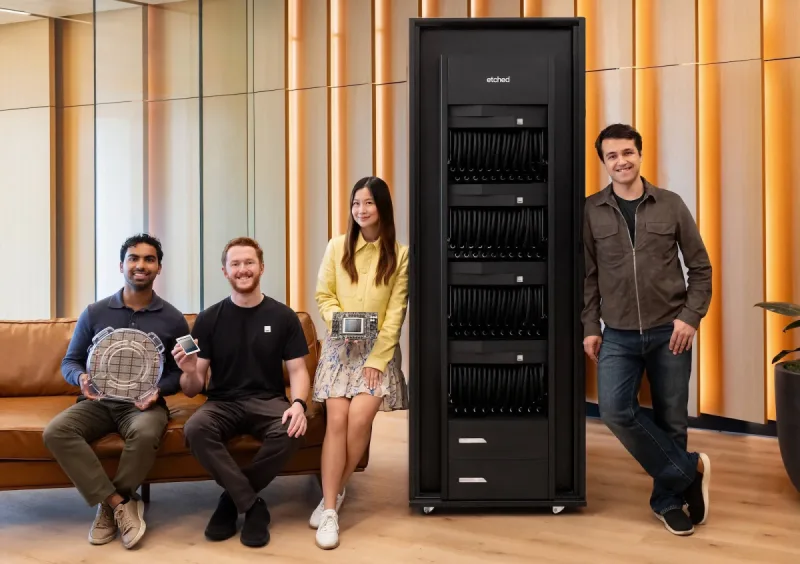
Etched's Valuation Doubles in Months as VCs Bid $40B–$50B for AI Chip Maker
The startup that raised $700 million at a $21 billion valuation just weeks ago is now fielding investment offers valuing it at double or more, as investors race to back its challenge to Nvidia's dominance in AI hardware.
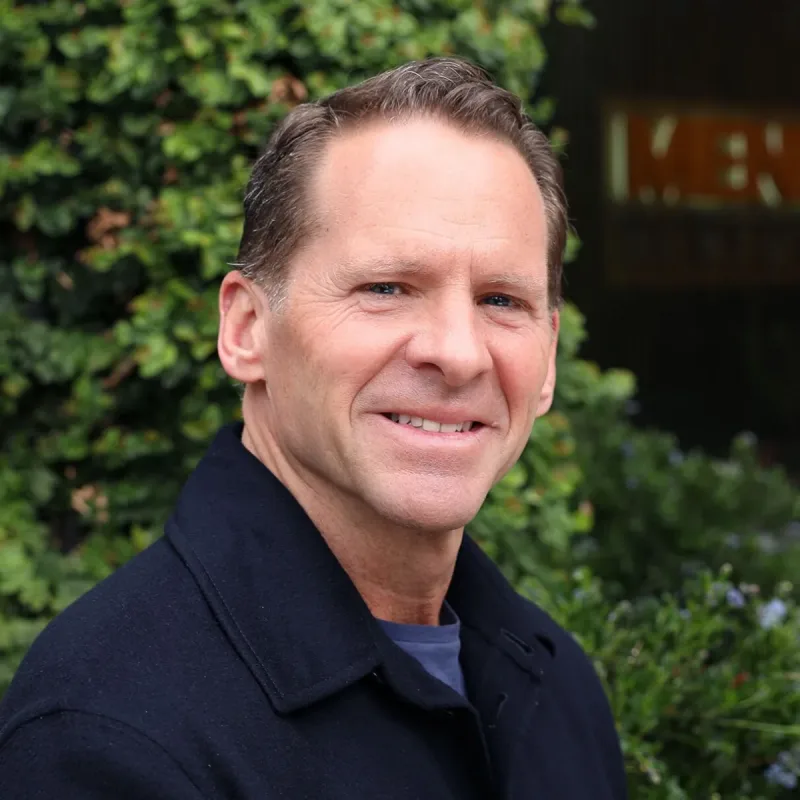
Menlo's Factory bet signals confidence amid founder clash with Khosla
Menlo Ventures has invested in AI coding startup Factory as part of its latest funding round at a $5 billion valuation, a move that carries weight beyond typical round extensions given the company's recent public dispute with prominent investor Vinod Khosla.

Venture funding hits $679 billion in first nine months of 2026 as AI startups dominate
Global venture investment reached $159 billion in Q3 2026, with a record 27 companies closing billion-dollar rounds as artificial intelligence companies continue to attract the vast majority of capital.