Why Static Portfolios Are Failing Tech Professionals—and What Works Instead
The traditional portfolio has lost its power to land jobs and clients. Recruiters now want proof of real-world problem-solving, not polished case studies.
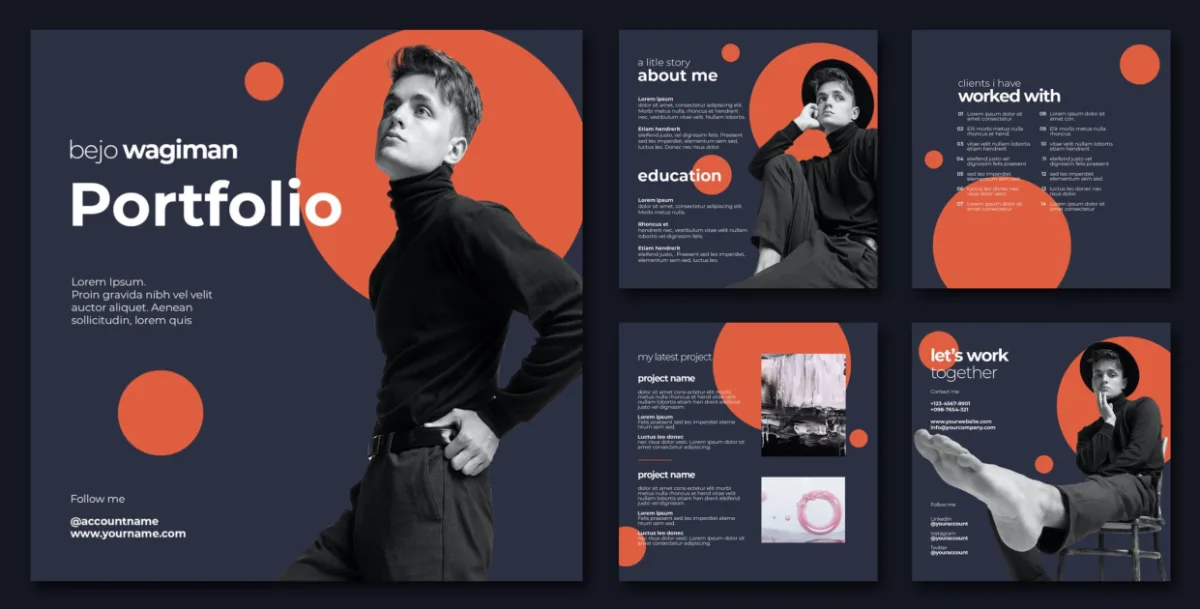
For years, the standard guidance for designers, developers, and tech workers was consistent and relentless: build a portfolio. Professors, coding bootcamps, and social media personalities all preached the same gospel. So professionals obliged, investing countless unpaid hours refining template designs, debating typeface choices, and transforming old projects into glossy narratives. The portfolio became the ultimate credential—proof of capability that seemed impossible to challenge.
Yet anyone job hunting or pursuing freelance work lately has experienced the same jarring reality. That meticulously designed portfolio link gets sent out, and the response is silence. Or an automated rejection arrives within 45 seconds. The uncomfortable truth is unavoidable: the traditional portfolio is no longer viable. It is not dormant—it is obsolete, buried beneath algorithmic shifts and fundamental changes in how hiring actually works. Professionals still betting on a static gallery of completed projects are competing in a game that has already ended.
Why the Traditional Portfolio Collapsed
The decline was not sudden, but rather the result of converging technological and cultural forces that made failure inevitable.
1. The AI Credibility Crisis
Generative AI now produces polished UI designs, functional code, and persuasive case studies in seconds. This capability has fundamentally altered how hiring managers evaluate work. When they encounter a flawless, unchanging portfolio, their instinct is no longer admiration—it is suspicion. The immediate question becomes: did a person create this, or did they simply prompt an AI tool repeatedly? Perfection no longer signals expertise. Instead, it raises doubt. Trust has collapsed because excellence has become cheap.
2. The Recruiter Attention Shortage
The hiring environment has become chaotic. A single remote position can generate thousands of applications before a hiring manager completes their morning routine. Recruiters lack both the time and emotional capacity to navigate custom portfolio links, wait for heavy animations to render, or parse lengthy narratives about design decisions. They need to identify whether a candidate solves their specific problem, and they need that answer in under six seconds. When value is obscured by layers of creative presentation, they move forward to the next candidate.
3. The Illusion of Perfection
Traditional portfolios distort reality through selective memory. They narrate every past project as a linear progression: identify problem, conduct research, execute flawlessly. Actual work is messier. Real projects involve shifting timelines, budget constraints, compromised goals, and stakeholders demanding illogical changes. Organizations have learned that candidates who present portfolio-perfect work often struggle when confronted with genuine business chaos. Hiring teams want evidence of resilience under pressure, not a showcase of idealized outcomes.
Replacing the Portfolio With Proof of Current Capability
If the traditional portfolio is being discarded, what replaces it? The shift moves away from historical accomplishments toward demonstrating how someone thinks and executes in the present moment. This resembles trading a static museum exhibit for a live workshop.
The old approach relied on static case studies—heavily curated retrospectives where outcomes always aligned perfectly. The emerging standard is building in public. This involves sharing unfiltered, real-time documentation of current work, experiments, and even failures on platforms where professionals actually spend time: LinkedIn, GitHub, or Substack.
The traditional model also encouraged the solo-hero narrative, where individuals claimed full credit for collaborative efforts involving dozens of contributors. Hiring managers now recognize this pattern immediately. The alternative is micro-attribution: demonstrating the specific Figma components, code lines, or copy variations an individual personally contributed, while transparently describing collaboration with teammates.
Personal websites should stop functioning as digital resumes decorated with client logos and meaningless skill ratings like "Photoshop: 85%." Instead, they should become platforms for thought leadership. Share video breakdowns of products, analyses of business strategy, or brief essays. Demonstrate genuine understanding of revenue impact and competitive dynamics, not just visual design.
The New Golden Rule: Don't just show me the shiny trophy. Show me the dirt on your shoes from the hike.
Three Steps to Transition Your Professional Presence
A complete website overhaul is not necessary tonight, but a shift in how you present yourself to potential employers and clients is urgent. Here is a practical framework for this transition:
Step 1: Share Work in Progress
Stop waiting until projects reach perfection before sharing them. Encountered a tricky bug that consumed two hours of debugging? Post a brief summary of the lesson on LinkedIn or X. Designed a weak landing page iteration before discovering a better direction? Share the evolution. This approach builds credibility because AI cannot replicate specific, contextual problem-solving narratives. Authenticity remains the one element AI cannot fake.
Step 2: Analyze Real Business Problems Instead of Redesigning Famous Apps
Abandon hypothetical redesigns of Spotify, Apple Music, or Netflix. These exercises are ubiquitous and typically ignore the actual operational constraints those companies navigate. Instead, conduct a teardown of a genuine business challenge. Select a mid-market company or emerging startup. Examine their onboarding sequence, payment process, or welcome emails. Write a concise analysis: "This specific screen likely drives customer abandonment. Here are three straightforward improvements." This immediately demonstrates business acumen and partnership thinking, not merely aesthetic sensibility.
Step 3: Minimize Friction With the 60-Second Rule
If maintaining a central website, prioritize speed and accessibility. Replace lengthy text passages with impactful visual content. A 60-second Loom recording showing you navigating a live project while narrating your reasoning is more persuasive than multiple static pages. It demonstrates communication ability, reveals personality, and confirms the work is genuinely yours.
The Opportunity Within the Disruption
The portfolio's decline feels burdensome because it eliminates a familiar, low-maintenance approach. It means professional presence requires ongoing attention, not a triennial website refresh. Yet this represents genuine opportunity. When the pressure to appear flawless disappears, so does much of the anxiety. Authenticity becomes possible. In a digital landscape increasingly saturated with automated, sterile, AI-generated content, professionals who communicate clearly, embrace complexity, and solve real business problems possess an unmatched advantage. The competitive edge belongs to those who demonstrate genuine human capability.
Read more

Lowe's Expands Media Network With Third-Party Measurement and AI Tools
The home improvement retailer is broadening its advertising platform across streaming, social and delivery services while introducing independent incrementality measurement and AI-powered discovery features.

Honeyjar brings AI-powered PR strategy to founders and communicators without expertise
A new startup founded by veteran communications professionals aims to democratize PR knowledge through AI, automating pitch research and media outreach while keeping humans in control of final decisions.
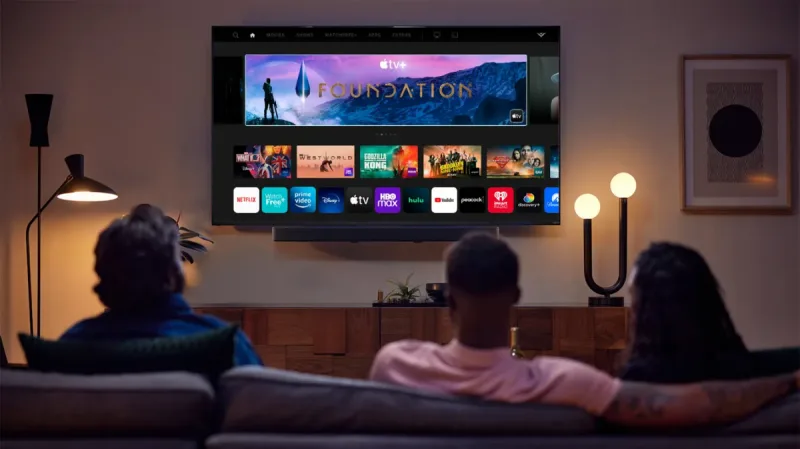
Vizio Expands Creator Channels and Premium Partnerships to Compete for Connected TV Ad Spending
Walmart's Vizio is broadening its free streaming service with over 40 creator-led channels and new premium content partnerships, positioning itself as a growing player in the connected TV advertising market.