Red Hat and Nvidia's OpenShell Framework Brings Security Controls to Production AI Agents
Prompt injection attacks and data theft have made AI agent security a critical business problem. Red Hat and Nvidia are addressing the challenge through OpenShell, an open-source project that enforces strict access controls on what agents can do.
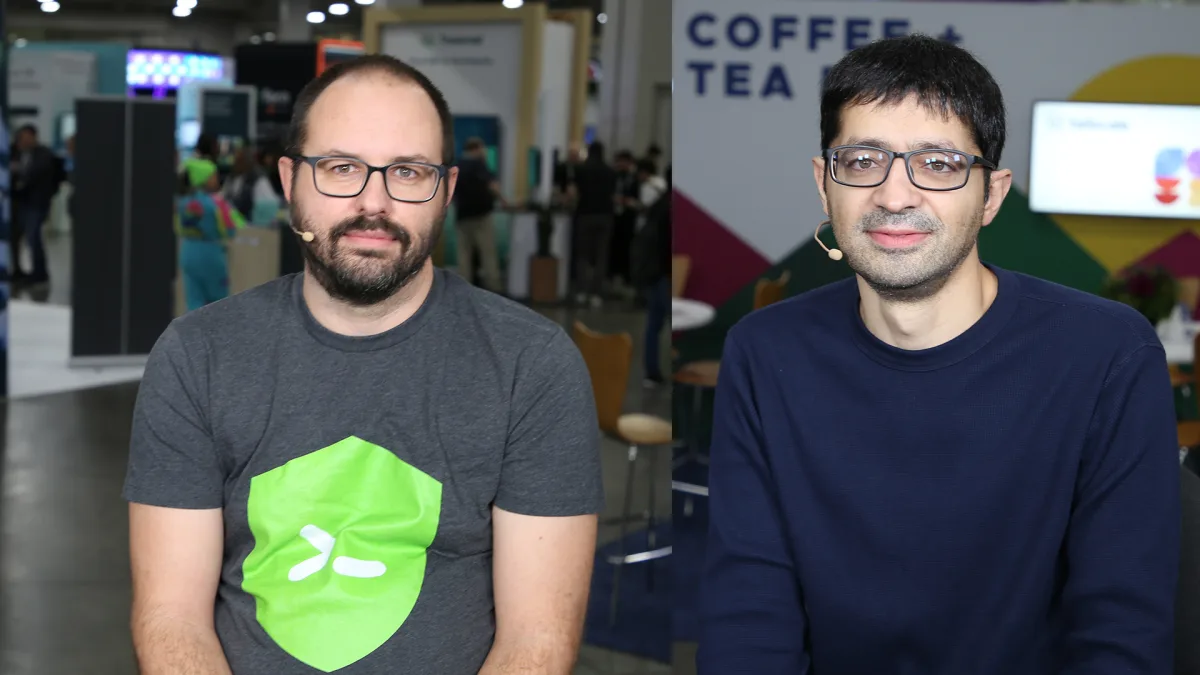
Threats to AI agent deployments have moved beyond theoretical concerns into real operational risks for enterprises. As organizations shift agents from development environments into production data centers, they face a fundamental challenge: securing these systems without removing the capabilities that make them valuable. Red Hat Inc. and Nvidia Corp. have deepened their collaboration to confront this issue via OpenShell, an open-source initiative designed to constrain agent behavior through configurable limits. The security landscape for agents demands a fundamentally different approach than traditional software protection, according to Derek Carr, senior distinguished engineer at Red Hat.
Agents can't get access to your secrets. They need deny-by-default networking, and you need a rich policy framework for what happened and when for this class of apps. Nvidia had reached out to us and noted that they were seeing the same problem domain. No one wants to work on this alone. It's better to work together.
Derek Carr, senior distinguished engineer at Red Hat
Carr and Mrunal Patel, distinguished engineer at Red Hat, discussed the OpenShell initiative during an exclusive broadcast at KubeCon + CloudNativeCon NA on theCUBE, SiliconANGLE Media's livestreaming platform. Their conversation with theCUBE's John Furrier and Rebecca Knight focused on how OpenShell enables enterprises to operate AI agents in production environments while defending against prompt injection vulnerabilities and unauthorized data movement.
Prompt injection attacks force a new agent security model
High-profile projects like OpenClaw demonstrated to the industry that agents could execute meaningful actions autonomously. Yet that same autonomy created legitimate concerns about credential exposure and unauthorized spending, with early warning signs already surfacing in real deployments, Patel observed.
As soon as we started hearing about the prompt injection attacks and how like folks were seeing the data getting exfiltrated outside, that was scary. We realized we needed a solution.
Mrunal Patel, distinguished engineer at Red Hat
OpenShell addresses these risks by allowing operators to grant agents access to particular endpoints while isolating credentials from agent visibility and limiting them to designated targets, according to Carr. The system includes a policy advisor that requires agents to explain blocked actions in natural language, and operators retain the ability to modify policies as requirements shift. Following Nvidia's contribution, OpenShell now operates under open governance at the Cloud Native Computing Foundation. Red Hat's vision involves making agent deployment on OpenShift as straightforward as running conventional applications, with prompt injection protections embedded directly into the platform.
Many companies are struggling to get to one agent in production, let alone thousands or millions. By having a project like OpenShell in the ecosystem, it provides a blueprint for companies to follow — to get from their first idea of 'I want to do something with agents' to a point where they're safely doing one, 10 or 20 in production.
Derek Carr, senior distinguished engineer at Red Hat
Read more

Kubernetes gets new purpose running autonomous AI agents, Google donates open-source tools
Google is repositioning Kubernetes as the platform for enterprise agentic AI workloads, donating foundational open-source projects to the Cloud Native Computing Foundation to help orchestrate autonomous software more efficiently.
Black Friday 2026: date, AI shopping agents and what changes for retailers
Black Friday 2026 falls on November 27, with Cyber Monday on November 30. This piece covers which AI assistants can check out in the US, why ChatGPT stepped back from Instant Checkout, and what Adobe and Salesforce forecast.
Google donates AI agent tools to open-source community to slash idle compute costs on Kubernetes
Google has contributed three projects to the Cloud Native Computing Foundation to help organizations reduce expenses when AI agents sit idle on Kubernetes clusters, addressing a growing cost challenge in agentic workloads.